
Lawn
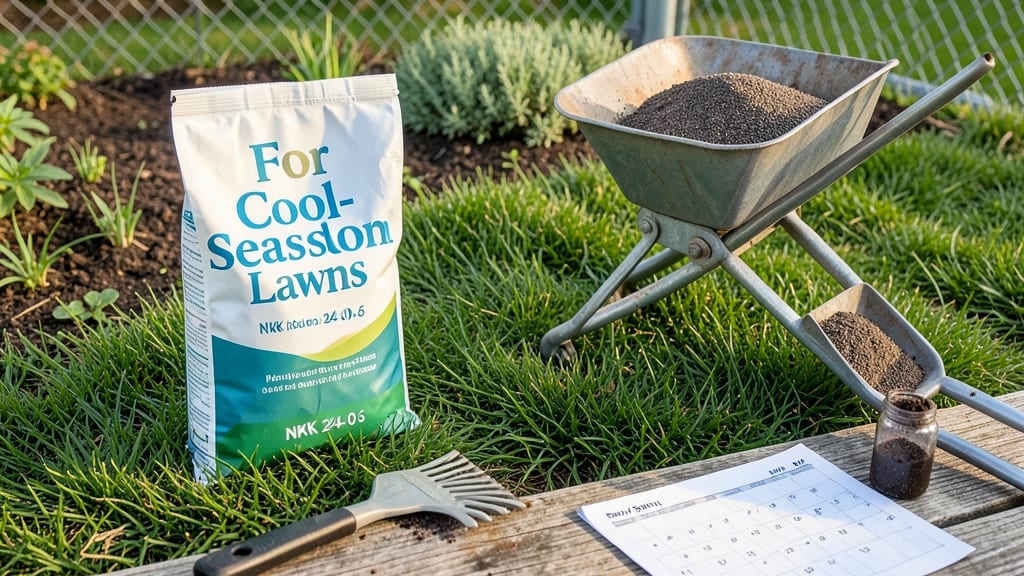
Fertilizing your lawn in Wisconsin at the right time—early spring and late fall—is the key to beating patchy grass and weeds before they take over.
Wisconsin’s unpredictable climate—from harsh winters to humid summers—can turn your lawn into a battleground between weeds and patchy grass. But timing your fertilization right transforms that struggle into a lush, green victory.
Most homeowners in USDA zones 4a-5b miss the two critical windows: early May for spring growth and late September for fall root strengthening. Skipping these means weaker grass that struggles to outcompete weeds all season.
Below, I break down the exact schedule for cool-season grasses like Kentucky bluegrass, plus how to adjust for Wisconsin’s microclimates—whether you’re in Madison’s warmer south or Duluth’s cooler north.
Wisconsin’s best fertilization schedule: spring & fall timing explained
Wisconsin’s cool-season grasses like Kentucky bluegrass and fescue thrive when fertilized at precise times—early May and late September. These windows align with soil temperature thresholds of 50°F+, triggering rapid root and shoot growth.
Unlike warmer climates, Wisconsin’s short growing season demands efficiency, so skipping these timings risks weak grass vulnerable to weeds and winter stress.
Science backs this schedule: spring fertilization jumpstarts growth after winter dormancy, while fall feeding strengthens roots for winter survival. Wisconsin’s humid summers and freezing winters create unique challenges—over-fertilizing in summer burns grass, and late fall applications risk washout before dormancy.
Pre-emergent herbicides for crabgrass must also align with this schedule. Apply them after soil reaches 55°F (typically late April to early May) but before crabgrass seeds germinate (usually by mid-May). Miss this window, and you’ll battle weeds all summer.
| Timing | Purpose | Soil Temp Threshold | Grass Growth Stage | Wisconsin-Specific Note |
|---|---|---|---|---|
| Early May | Spring green-up | 50°F+ | Active shoot growth | Apply after last frost (mid-April to early May) |
| Late September | Root strengthening | 55°F+ | Pre-dormancy | Stop by Oct 1 to avoid winter washout |
| Late April | Pre-emergent herbicide | 55°F+ | Weed seed germination | Apply before crabgrass emerges (by mid-May) |
| June-August | Avoid fertilization | N/A | Dormancy risk | High temps burn grass; promotes weeds |
Northern Wisconsin’s shorter growing season (USDA zones 3b-4b) shifts these timings slightly later. For example, Duluth homeowners should wait until late May for spring fertilization, while Madison’s warmer microclimate allows early May applications.
Always check your last frost date—Wisconsin’s ranges from mid-April in southern regions to late May in the north.
For cool-season grasses, use a high-nitrogen fertilizer (24-0-5 ratio) in spring and a balanced formula (10-10-10) in fall. Organic options like composted manure or fish emulsion work well but require earlier applications (late April) to break down. Synthetic fertilizers offer faster results but risk nutrient runoff if overapplied.
Wisconsin’s humid summers create another challenge: fungal diseases thrive on over-fertilized grass. Always water deeply after fertilizing (1 inch) to activate nutrients without burning roots. Avoid fertilizing when rain is forecasted within 24 hours—this prevents runoff and ensures nutrients reach the soil.
Fall fertilization in late September is critical for winter hardiness. Grass needs 4-6 weeks before dormancy to convert nutrients into carbohydrates for root storage. Apply a light rate (½ the spring amount) to avoid excessive top growth that weakens before winter.
Stop by October 1 to prevent washout from fall rains.
Pro tip: Test your soil in early spring (March-April) before fertilizing. Wisconsin soils often lack phosphorus and potassium, so amend with a complete fertilizer (e.g., 10-10-10) if tests reveal deficiencies. pH imbalances (below 6.0) also reduce nutrient uptake—lime can adjust acidic soils before spring feeding.
Remember: timing beats quantity. A well-timed light feeding in spring and fall outperforms heavy summer applications that stress your lawn. Stick to this schedule, and you’ll enjoy a thick, weed-resistant lawn that survives Wisconsin’s extremes—year after year. 🌱
How to adjust your fertilizer plan for Wisconsin’s microclimates
Wisconsin’s diverse climate creates distinct microclimates that demand tailored fertilization. Northern regions like Duluth experience later springs, while southern areas like Madison warm up faster. These differences mean your fertilizer timing should shift by up to 4 weeks depending on location.
Even within your yard, shady vs. sunny lawns need different nutrient approaches to thrive.
Sunny lawns in southern Wisconsin can start fertilizing as early as late April, but northern lawns should wait until mid-May when soil temperatures consistently stay above 50°F.
This delay prevents wasted nutrients and reduces runoff risks from spring rains. For shady lawns, always use slow-release fertilizers to avoid overfeeding roots that struggle with photosynthesis.
| Region | Spring Fertilization Window | Fertilizer Type | Application Rate (per 1,000 sqft) | Shade Adjustment |
|---|---|---|---|---|
| Southern WI (Madison) | Late April - Early May | Quick-release (24-0-5) | 3-4 lbs | Reduce rate by 30% |
| Central WI (Milwaukee) | Early May - Mid-May | Slow-release (30-0-4) | 2.5-3.5 lbs | Use slow-release only |
| Northern WI (Duluth) | Mid-May - Late May | Slow-release (25-0-5) | 2-3 lbs | Extend timing by 2 weeks |
For sunny lawns in southern Wisconsin, quick-release fertilizers work well because grasses grow aggressively with 6+ hours of sunlight. However, northern lawns benefit from slow-release formulas that match their delayed growth cycle. Always test your soil first—Wisconsin’s acidic soils often need lime applications before fertilizing for optimal nutrient uptake.
Shady lawns require special attention. In these areas, reduce nitrogen by 25-30% and focus on iron supplements to maintain green color. Apply fertilizer in early morning to prevent leaf burn from heat stress.
Northern Wisconsin’s cooler summers mean you can safely fertilize shady lawns until late June, while southern lawns should stop by mid-June to avoid summer stress.
Fall fertilization follows similar regional rules. Southern Wisconsin lawns should receive their final feed by late September, while northern lawns can wait until early October. Use a low-nitrogen formula (10-0-20) to encourage root growth without promoting late-season growth that weakens before winter.
Always water thoroughly after application to activate nutrients in the soil.
Remember: Wisconsin’s humid summers create perfect conditions for fungal growth. If you notice yellow patches after fertilizing, flush the soil with 1 inch of water to prevent nutrient buildup.
Adjust your plan annually based on your lawn’s performance—what works in Madison may need tweaking for Green Bay or Eau Claire.