
Fertilization
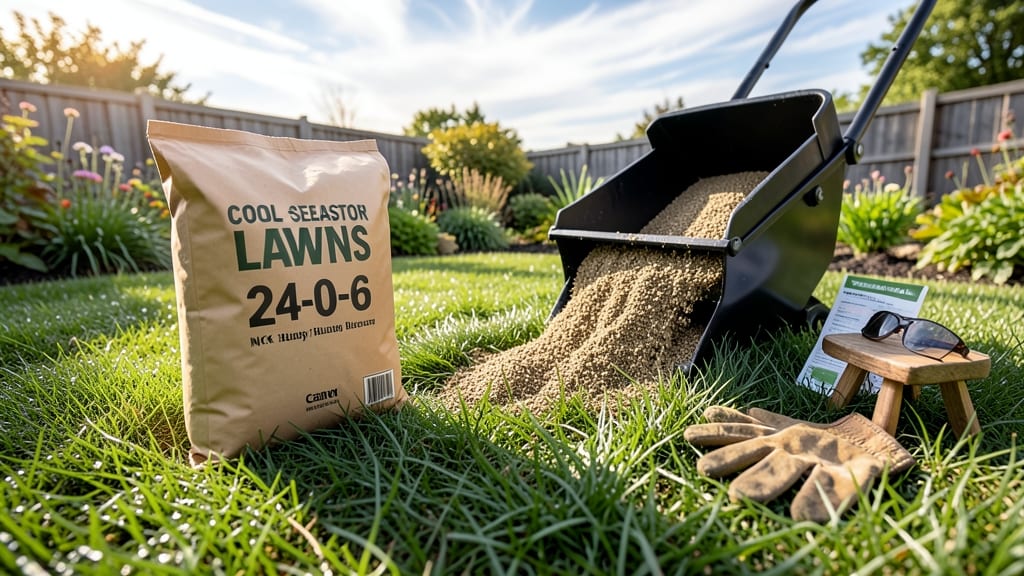
Fertilizing your lawn in Massachusetts at the right time ensures a lush, green yard year-round, especially in zones 5b-7a where seasons shift quickly.
Picture this: you’ve just mowed your lawn in early spring, only to notice patches of yellow creeping in by summer. That’s often a sign you missed the ideal fertilization window—and it’s easier to fix than you think.
The key is timing it with your grass’s growth cycle, not just the calendar.
Massachusetts lawns thrive with two main feedings: once in early spring (after the last frost) and again in fall (before the first frost). But coastal areas like Cape Cod may need adjustments due to salt air, while inland zones like Worcester can push spring feeding a bit later.
Let’s break down the exact schedule and why it matters.
You’ll learn how to read your lawn’s signals, choose the right fertilizer for your grass type, and avoid common mistakes that lead to over- or under-feeding. By the end, your yard will be the envy of the neighborhood—no guesswork required.
Optimal fertilization schedule for Massachusetts lawns in spring and fall
Massachusetts lawns thrive when fertilized at the right times—typically spring and fall—but getting the timing wrong can lead to wasted money or even lawn damage. Most cool-season grasses (like Kentucky bluegrass and fescue) dominate MA yards, so their growth cycles dictate the best fertilization windows.
The key is aligning applications with active growth periods while avoiding heat stress or winter dormancy.
In hardiness zones 5-6, the last frost typically arrives around mid-April, signaling it's time to wake up your lawn's roots. However, rushing fertilizer too early can burn tender grass still recovering from winter.
Meanwhile, fall applications in late September to early October help grass store nutrients for winter survival—a critical step for MA's unpredictable frost dates.
Here's a quick reference table for Massachusetts-specific fertilization timing, accounting for climate variations and grass types:
| Season | Best Months | Grass Type Focus | Key Action | Notes |
|---|---|---|---|---|
| Spring | April-May | Cool-season (Bluegrass, Fescue) | First high-nitrogen feeding | Apply after last frost (mid-April) |
| Spring | June | All grass types | Second moderate feeding | Use slow-release to avoid heat stress |
| Fall | September | Cool-season | Late fall feeding | Strengthens root growth before frost |
| Fall | October | All grass types | Optional light feeding | Only if grass shows green-up signs |
| Winter | November-March | All grass types | No fertilization | Grass is dormant—fertilizer burns roots |
For coastal Massachusetts (like Cape Cod or Martha's Vineyard), you can push spring feeding slightly earlier—around late March—since these areas warm up faster. Inland zones like Worcester or Springfield may need to wait until early May to avoid frost damage. Always check your local last frost date for precision.
One common mistake is applying too much nitrogen in summer, which can cause brown patches or even lawn burn during MA's heatwaves. Instead, opt for a slow-release fertilizer in June to feed grass gradually without stressing it. Think of summer as a "maintenance" period rather than a growth phase.
Fall fertilization is equally critical. A late September application (6-8 weeks before first frost) helps grass develop deep roots and store carbohydrates for winter survival. This is especially important in MA's zone 5-6, where winters can be harsh.
Avoid fertilizing after mid-October, as new growth won't have time to harden off before frost.
Pro tip: Pair your spring feeding with core aeration to help nutrients reach the roots. In fall, consider overseeding with ryegrass after fertilizing to fill in thin patches. Both practices work synergistically to create a thicker, healthier lawn that handles MA's climate better.
Remember, soil testing is your best friend. MA soils often lack nitrogen or phosphorus, so a simple test (available through UMass Extension for just $15) can tell you exactly what your lawn needs. Adjust your fertilizer blend accordingly—this precision saves money and prevents over-fertilization.
Finally, always apply fertilizer in the early morning when temperatures are cooler. This reduces the risk of leaf burn and ensures nutrients have time to soak into the soil before afternoon heat sets in. Water lightly after application to activate the fertilizer without washing it away.
How to choose the right fertilizer for Massachusetts grass types (Kentucky Bluegrass, Fescue, Ryegrass)
Massachusetts lawns thrive with the right fertilizer, but choosing the wrong blend can burn your grass or waste money. The three most common cool-season grasses—Kentucky Bluegrass, Fescue, and Ryegrass—each respond best to specific nitrogen ratios and release types.
Let’s break down the best options for your yard’s needs.
For Kentucky Bluegrass, which loves lush growth, a high-nitrogen fertilizer (like 24-0-8) works best, especially in spring. Fescue, known for drought tolerance, prefers a balanced blend (like 16-4-8) to avoid overfeeding.
Meanwhile, Ryegrass, often used for overseeding, benefits from a slow-release formula to prevent rapid growth that weakens roots.
Fertilizer Type Comparison for MA Lawns
| Type | Best For | Pros | Cons |
|---|---|---|---|
| Slow-Release Synthetic | Kentucky Bluegrass, Fescue | Long-lasting feed, precise nutrient control | Can be expensive, risk of over-application |
| Quick-Release Synthetic | Emergency green-up (spring) | Fast results, budget-friendly | Burns grass if overused, short-lived effects |
| Organic (Compost/Manure) | All grasses, eco-friendly yards | Improves soil health, slow nutrient release | Slower results, may attract pests |
Organic fertilizers like composted manure or fish emulsion are ideal for Massachusetts lawns because they improve soil structure over time. They’re especially great for Fescue, which benefits from gradual nutrient release. However, they take longer to show results compared to synthetic blends, so plan ahead for spring feedings.
If you’re overseeding with Ryegrass in fall, opt for a low-nitrogen blend (like 10-0-10) to encourage root growth without promoting top growth that could weaken before winter. Avoid high-nitrogen fertilizers in late summer—they can stress grass before frost.
For Kentucky Bluegrass, which is prone to thinning, a two-step approach works best: Apply a high-nitrogen fertilizer in early spring (March-April) followed by a balanced blend in late summer (August-September). This mimics natural growth cycles and prevents nutrient burnout.
Always test your soil first! Massachusetts soils often lack phosphorus, so a soil test kit (available at local garden centers) will tell you if you need a low-phosphorus fertilizer (like 30-0-4) or if amendments are needed. Pair your fertilizer with core aeration in spring to ensure nutrients reach the roots.