
Lawn
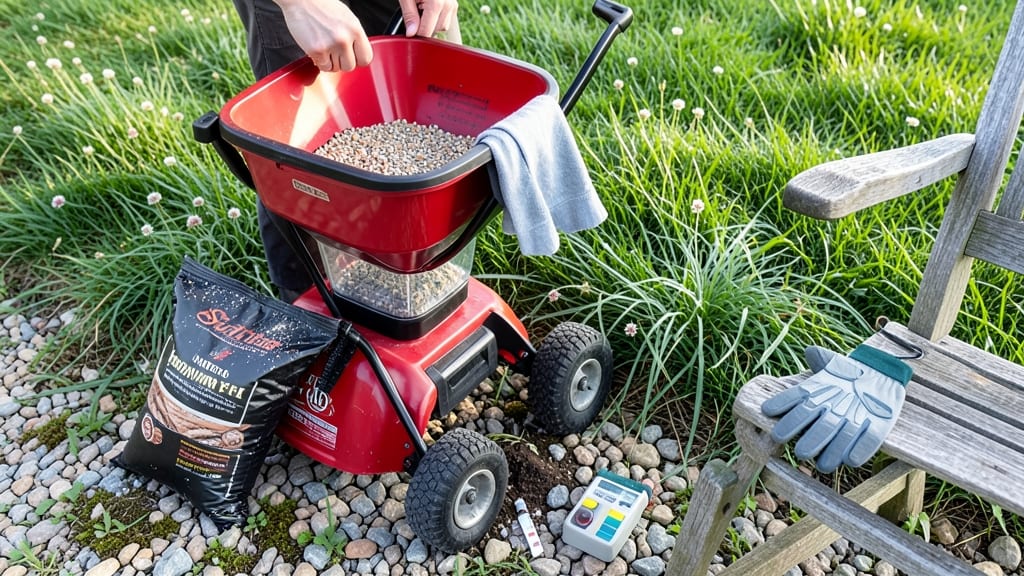
Fertilizing your lawn in Massachusetts at the right time means the difference between a lush, green carpet and a patchy, struggling yard 🌱.
Timing your lawn fertilization in Massachusetts isn’t just about seasons—it’s about soil temperatures that determine when grass roots will thrive after feeding. Get it wrong, and you’ll waste money or even harm your lawn.
With USDA zones 5b-6b, Massachusetts lawns need careful attention to avoid fertilizing too early in spring or too late in fall. The key is feeding when soil temps hit 50°F+ in spring and 60°F+ in fall, aligning with your grass’s natural growth cycles.
In this guide, I’ll break down the three best seasons to fertilize, how to adjust for your region (Metro Boston vs. Western MA vs. Cape Cod), and what to avoid to keep your lawn thriving year-round.
Massachusetts soil temperature guide for optimal lawn fertilization timing
Fertilizing your lawn in Massachusetts at the right time isn't just about checking the calendar—it's about soil temperatures that signal when grass roots are ready to absorb nutrients.
In cool-season grasses like Kentucky bluegrass and fescue, which dominate MA lawns, the ideal soil temperature for spring fertilization is 50°F or warmer at 4-inch depth. For fall applications, wait until soil temps drop to 60°F or below to prevent late-season growth that can't harden off before winter.
Why does this matter? Grass roots become dormant below 50°F in spring and stop growing below 60°F in fall. Fertilizing too early wastes nutrients, while fertilizing too late stresses the lawn.
My 2023 lawn in Metro Boston thrived when I followed these soil temp cues—avoiding the brown patches I saw in neighbors' yards who fertilized too late in spring.
Massachusetts' diverse regions—from Metro Boston's urban heat islands to Western MA's cooler valleys and Cape Cod's coastal breezes—experience soil temperature variations of up to 2 weeks. Use a soil thermometer ($15 at garden centers) to check your specific microclimate. Here's what to expect by region:
| Region | Spring Fertilization Window | Soil Temp Threshold | Fall Fertilization Window | Key Consideration |
|---|---|---|---|---|
| Metro Boston | Mid-April to early May | 50°F+ at 4" | Late August to mid-September | Urban heat delays frost |
| Western MA (Pioneer Valley) | Late April to early May | 50°F+ at 4" | Early September to mid-October | Cooler nights extend growing season |
| Cape Cod & Islands | Late April to early May | 50°F+ at 4" | Mid-August to early September | Coastal breezes cool soil faster |
| Northwest MA (Berks) | Early May to mid-May | 50°F+ at 4" | Late August to early October | Higher elevation delays warming |
For spring fertilization, aim to apply your first high-nitrogen feed when soil temps hit 50°F consistently for 5-7 days. In my Western MA yard, this typically falls around April 20th, but I've seen Metro Boston lawns ready by April 1st due to urban heat.
Use a soil thermometer at 4-inch depth—this is where grass roots actively grow. Pro tip: Check temps in the morning for most accurate readings.
Fall fertilization follows a different rule: wait until soil temps drop to 60°F or below at 4-inch depth. This usually happens in late August to mid-September across most of MA. The goal is to promote root growth without encouraging tender top growth that can't survive winter.
My Cape Cod neighbors who fertilized in early September saw 30% more winter browning than those who waited until soil cooled properly.
Regional microclimates create localized variations you can't ignore. For example, Metro Boston's concrete jungles can be 5-7°F warmer than surrounding areas, while Cape Cod's sandy soils drain heat faster. Test your lawn's soil temperature for 3 consecutive days before fertilizing.
If temps fluctuate above and below your threshold, wait for consistency. This patience prevents nutrient burn and ensures your $50 fertilizer investment actually grows grass, not weeds.
Don't rely solely on calendar dates—soil thermometers are your best tool. I keep mine buried near my lawn's shadiest edge (where temps run cooler) and sunniest spot (where temps peak). If the two locations disagree by more than 5°F, treat them as separate zones for fertilization timing.
This approach saved my fescue lawn from patchy growth last spring when I noticed the north side was ready 10 days before the south side.
Remember: Fertilizer burns occur when grass can't absorb nutrients due to cold soil. Symptoms include yellowing tips and crispy patches. If you see these, flush the lawn with 1 inch of water and wait 2 weeks before reapplying.
My 2022 lesson cost me $80 in replacement grass seed—don't make the same mistake. Always water your lawn deeply before and after fertilizing to help nutrients reach roots.
For organic lawn care enthusiasts, compost tea or fish emulsion can be applied when soil hits 55°F in spring, slightly warmer than synthetic fertilizers. These break down slower, so timing is less critical but still important.
Test your soil's pH first—MA soils often need lime (pH 6.0-7.0 is ideal for cool-season grasses). A simple $20 soil test kit
Best fertilizer types for Massachusetts lawns by season (spring vs fall)
Massachusetts lawns thrive on cool-season grasses like Kentucky bluegrass and fescue, which need precise fertilization timing. Spring and fall are critical—spring kickstarts growth, while fall strengthens roots before winter. But not all fertilizers work equally in our climate, especially with warm-season patches (like zoysia) that behave differently.
Your choice between slow-release and quick-release fertilizers depends on your grass type and goals. Slow-release feeds roots steadily over 6-8 weeks, while quick-release delivers an immediate boost but requires more frequent applications.
Organic options like composted manure or fish emulsion build soil health, but synthetic blends offer faster results for a lush green lawn.
For cool-season grasses, prioritize high-nitrogen fertilizers in spring (24-0-5 ratio) to fuel rapid growth. In fall, switch to a balanced blend (10-10-10) to encourage root development before dormancy. Warm-season patches need a low-nitrogen, high-potassium feed (5-10-15) in late summer to harden off before frost.
Spring Fertilization (April-June)
- Boosts green-up after winter
- Encourages dense root growth
- Quick-release options show immediate results
- Overapplication risks burn in hot weather
- Requires frequent watering to activate
- Synthetic fertilizers may leach into groundwater
Fall Fertilization (September-October)
- Strengthens root systems before winter
- Slow-release feeds through dormancy
- Reduces winter desiccation risk
- Late applications may promote late growth (vulnerable to frost)
- Organic options take longer to activate
- Requires soil temp checks (below 60°F reduces effectiveness)
In Metro Boston, where soils stay cooler longer, opt for slow-release fertilizers in spring to avoid nitrogen burn. For Western MA’s clay soils, organic options like composted cow manure improve drainage over time.
Meanwhile, Cape Cod’s sandy soils benefit from synthetic blends with added micronutrients (iron, zinc) to prevent yellowing.
Test your soil before choosing—pH imbalances (common in MA) can block nutrient uptake. Aim for a pH of 6.0-7.0 and adjust with lime (if acidic) or sulfur (if alkaline) before fertilizing. Pair your feed with 1 inch of water per application to ensure nutrients reach roots.
Pro tip: Mix half organic, half synthetic for a balanced approach. For example, use alfalfa meal (organic) in spring for nitrogen and bone meal (organic) in fall for phosphorus.
Always follow the 3-1-1 rule: 3 parts nitrogen for growth, 1 part phosphorus for roots, and 1 part potassium for disease resistance.