
Lawn
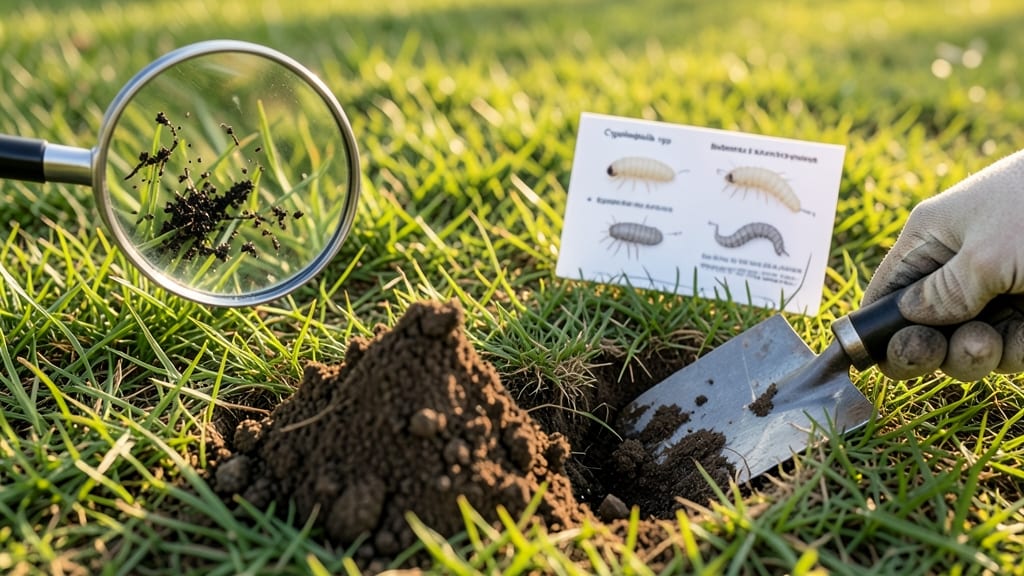
What causes holes in lawn isn’t just an eyesore—it’s a window into what’s really happening underground. 🌱 Whether they’re tiny craters from chinch bugs or larger mounds from moles, each type of hole tells a different story about your yard’s health. The most common culprits are grubs (white, C-shaped larvae), chinch bugs (small, brown insects), or animals like moles and voles digging for food. I’ve seen all three wreck my lawns, and the fix depends on what’s causing the damage—not just covering it up. You’ll learn how to identify the problem by checking soil, timing, and hole patterns, then use targeted, eco-friendly solutions like nematodes, mulching, or simple repairs. No more guessing what’s eating your grass—just clear answers. Let’s get to the root of the problem so your lawn stays thick, green, and hole-free all season.
Why it happens
H2: The Hidden Culprits Behind Lawn Holes
Your lawn’s mysterious craters aren’t just random bad luck—they’re often the result of specific, science-backed causes. Understanding these triggers is the first step to fixing them. Let’s dig into the real reasons your grass is disappearing.
🐜 Grubs: The Silent Lawn Destroyers
Grubs—larvae of beetles like Japanese beetles or June bugs—are one of the most common culprits behind sudden lawn holes. These C-shaped white larvae feed on grass roots, weakening the turf until it collapses, leaving behind patches that pull up easily (often in late summer or fall).
Why it happens:
- Root damage: Grubs chew through roots, leaving grass vulnerable to drought or foot traffic. A simple tug test—lifting a small patch of sod—can reveal grubs if they’re present.
- Seasonal timing: Eggs hatch in summer, and larvae peak in late summer/fall, coinciding with hole outbreaks.
- Moisture attraction: Overwatered lawns create ideal breeding grounds, as grubs thrive in damp soil.
Pro tip: 🔥 Look for birds or skunks digging up your lawn—these are classic grub predators!
🦟 Chinch Bugs: The Tiny Suckers
Chinch bugs are small, black-and-white insects that pierce grass blades to suck out sap, causing yellow patches that eventually turn to holes. They thrive in dry, sunny conditions and multiply rapidly in heatwaves.
Why it happens:
- Drought stress: Chinch bugs target weakened grass, often appearing after prolonged dry spells. Their saliva contains toxins that kill grass cells.
- Thatch buildup: Thick thatch layers trap heat and moisture, creating perfect conditions for chinch bug infestations.
- Poor drainage: Waterlogged or overly compacted soil makes grass more susceptible to their attacks.
Pro tip: 🌡️ Check for wilting grass that recovers after watering—this is a red flag for chinch bugs!
🐾 Animals: The Unexpected Diggers
From raccoons to armadillos, wildlife loves to dig up lawns for grubs, insects, or even just fun. Their holes are usually irregularly shaped and accompanied by scattered soil or claw marks.
Why it happens:
- Food foraging: Animals like skunks and moles target grubs and worms, creating tunnels or holes as they dig.
- Territorial behavior: Raccoons or dogs may scratch or dig to mark territory, especially in newly seeded areas.
- Seasonal activity: Spring and fall are peak times for animal digging, as grubs are most abundant.
Pro tip: 🎯 Look for fresh holes with displaced soil—animals rarely cover their dig sites neatly!
🌱 Environmental Stressors
Not all lawn holes are caused by pests. Extreme weather, poor soil health, or even human mistakes can create bare spots that look like holes.
Why it happens:
- Drought or heat stress: Prolonged dry spells cause grass to brown and die in patches, leaving "holes" where turf pulls away.
- Foot traffic or equipment damage: Heavy foot traffic, pet urine, or lawnmower blades can compact soil, killing grass in high-stress areas.
- Fungal diseases: Fungi like brown patch or dollar spot create circular dead patches that resemble holes, often in humid conditions.
Pro tip: ✨ Test soil moisture—if grass springs back when watered, it’s likely drought-related, not pest damage!
🔧 Human Errors
Sometimes, the holes in your lawn are a direct result of how you’ve been caring for it. Over- or under-maintenance can create the perfect storm for bare spots.
Why it happens:
- Overwatering: Excess water drowns roots and encourages fungal growth, weakening grass and making it susceptible to pests.
- Improper mowing: Cutting grass too short stresses plants, exposing roots to disease and pests.
- Poor fertilization: Too much fertilizer burns roots, while too little starves grass, leaving it vulnerable to holes.
Pro tip: 💡 Adjust your mower height—taller grass shades roots, reducing heat stress and pest attraction!
Fixing Lawn Holes for Good
Now that you know the culprits behind those pesky lawn holes—whether it’s grubs, chinch bugs, or critters digging up your turf—it’s time to take action! The good news? Most fixes are straightforward, budget-friendly, and can restore your lawn to its lush best in no time.
Below, we’ve matched each cause to the best practical solutions (plus prevention tips to keep your yard hole-free long-term).
---
If grubs are the culprits, your lawn needs a two-pronged attack: eliminate the larvae and repair the damage.
#### 🔥 Step 1: Apply Grub Control - Chemical Treatments (Fastest Fix): Use imidacloprid or chlorantraniliprole (like Bayer Advanced Grub Killer) in early summer or fall.
Follow label instructions—overapplying can harm beneficial insects. - Pro Tip: 💡 Water the lawn lightly after application to help the granules soak into the soil.
- Natural Remedies (Slower but Safe): - Nematodes: Microscopic beneficial nematodes (like Heterorhabditis bacteriophora) hunt grubs naturally. Apply in early evening when soil is moist. - Milky Spore: A bacterial treatment that thrives in grubs’ guts. Takes 2–3 years to fully establish but provides long-term protection.
#### 👨🍳 Step 2: Patch the Damage 1. Rake away dead patches to expose the soil. 2. Loosen the soil with a rake or garden fork. 3. Mix topsoil with compost (or a sand/compost blend for sandy soil) and spread a thin layer.
4. Sow grass seed (choose a shade-tolerant mix if your lawn is shady) or lay sod for instant coverage. 5. Water lightly daily for 2 weeks to help seeds germinate.
#### 🌱 Prevention Tips for Grubs - Mow high (3–4 inches) to discourage grub-loving beetles. - Aerate annually to reduce thatch buildup (grubs love thick, moist layers). - Encourage predators: Birds, toads, and moles eat grubs—leave some "lawn mess" for them!
---
Chinch bugs thrive in drought and thick turf—so break their cycle with these steps.
#### 🍳 Step 1: Flood the Area - Water deeply (1–2 inches) to force chinch bugs to the surface, then drown them with a strong spray of water.
Repeat every few days for 2 weeks. - Pro Tip: 🌡️ Do this in early morning so the lawn dries quickly, reducing fungal risks.
#### 🔪 Step 2: Treat with Insecticides (If Needed) - Systemic options: Use imidacloprid or dinotefuran (like Ortho BugClear) as a soil drench. - Contact sprays: Bifenthrin or carbaryl (Sevin) work for severe infestations. Reapply after rain.
#### 🌿 Step 3: Repair Thinned Spots 1. Rake out dead grass and loosen soil. 2. Add compost to improve drainage (chinch bugs love compacted, dry soil). 3. Overseed with a drought-tolerant grass mix (like tall fescue or Bermuda). 4. Water lightly daily until new grass is 2 inches tall.
#### 🎯 Prevention Tips for Chinch Bugs - Water regularly (1 inch per week) to discourage drought stress. - Reduce thatch with core aeration in fall. - Plant alternatives: If your lawn is prone to chinch bugs, consider clover or fine fescue mixes—they’re less attractive to these pests.
---
Whether it’s dogs, raccoons, or skunks, remove the temptation and repair the mess.
#### 🔥 Step 1: Identify the Culprit - Dogs: Check for paw prints and scattered toys. - Raccoons/Skunks: Look for dug-up grubs or overturned mulch. - Moles/Voles: Tunnel systems or surface holes (moles) vs. shallow, irregular holes (voles).
#### 👨🍳 Step 2: Deter and Exclude | Animal | Solution | Prevention | |------------------|-----------------------------------------------------------------------------|------------------------------------------------| | Dogs | Train with commands like "Leave it" or use spray deterrents (like Granules for Pets). | Bury chicken wire (12 inches deep) around high-traffic areas. | | Raccoons/Skunks | Ammonia-soaked rags in problem spots or one-way exclusion traps. | Remove food sources (grubs, pet food, fallen fruit). | | Moles | Castor oil-based repellents or sonic spikes (though effectiveness varies). | Plant mole-resistant ground covers like daffodils or marigolds. | | Voles | Snap traps or havahart traps baited with apple slices. | Install hardware cloth barriers (1/4-inch mesh) around gardens. |
#### 🌱 Step 3: Repair the Lawn 1. Fill holes with a topsoil/compost mix. 2. Press down firmly and water thoroughly. 3. Sow grass seed or lay sod for quick recovery. 4. Mulch lightly to retain moisture while new grass grows.
#### ✨ Prevention Tips for Animal Damage - Keep pets leashed in high-risk areas. - Remove attractants: Pick up fallen fruit, secure trash cans, and treat grubs. - Install motion-activated sprinklers (like ScareCrow) to scare off wildlife.
--- Regardless of the cause, these quick fixes help any damaged lawn heal faster: - Aerate compacted soil to improve root growth. - Top-dress with compost every spring/fall to boost soil health. - Mow high (3–4 inches) to shade out weeds and retain moisture. - Test your soil (via a local extension office) to check pH and nutrient levels.
--- Remember: Patience is key! Some fixes (like milky spore or nematodes) take time, but consistent care will give you a thick, hole-free lawn in no time. 🌿🔨
Frequently asked questions
How can I tell if my lawn holes are from grubs or chinch bugs?
Check the soil around holes: grubs leave C-shaped white larvae (1/2-inch long) when you lift sod, while chinch bugs create yellow patches that turn brown and pull up easily. Grubs cause larger patches that pull up like sod, while chinch bugs leave behind tiny, scattered holes with wilting grass.
Will filling holes with dirt fix the problem long-term?
No—just covering holes masks the issue. For lasting results, identify the cause first (grubs, chinch bugs, or animals) and treat it. Then fill holes with a topsoil/compost mix and reseed. Without fixing the root problem, new holes will appear.
Are moles really the main cause of lawn holes?
Moles create tunnels and raised mounds, but they’re not the primary cause—they’re usually digging up grubs or worms already in your lawn. Focus on treating grubs first, then use mole repellents like castor oil if needed. Their holes are just a symptom of a bigger pest problem.
How often should I check my lawn for holes?
Inspect your lawn monthly during growing seasons (spring-fall) and weekly if you’ve had past issues. Early detection means quicker fixes—especially for grubs (summer/fall) or chinch bugs (dry periods). A quick walk with a shovel can reveal hidden damage before it spreads.
Can I use the same treatment for all types of lawn holes?
Absolutely not! Grubs need nematodes or grub killer, chinch bugs require flooding or insecticides, and animal holes need deterrents or traps. Mixing treatments can harm your lawn—always match the solution to the specific cause.