
Lawn
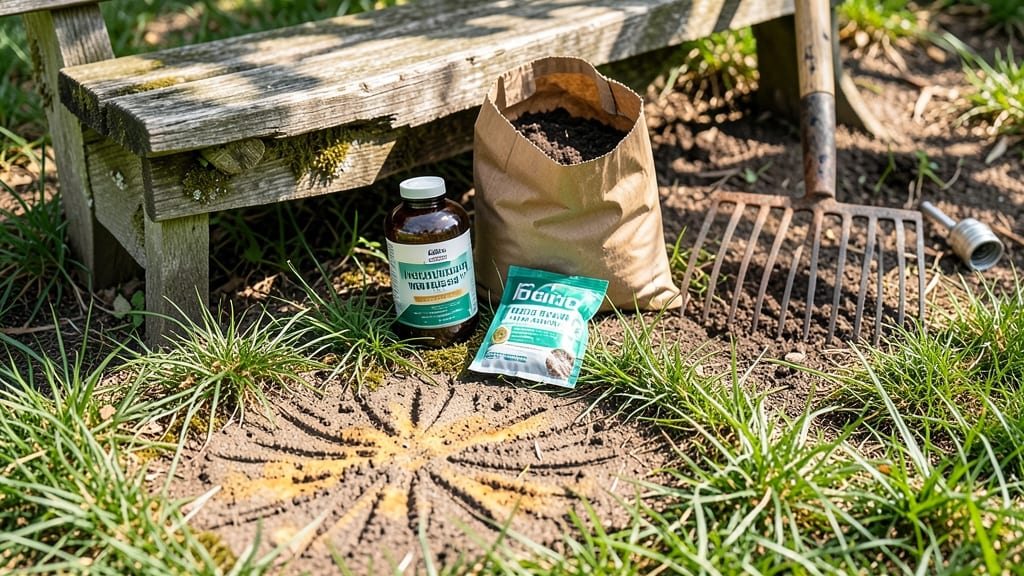
Your dog-damaged lawn doesn’t need to become a mud pit when your dog turns it into a chewed-up mess. 🌱 Fast-acting repair starts with understanding why patches fail—and how to fix them before summer heat sets in.
I’ve turned my own dog-damaged yard from bare spots to lush green in just 3 weeks using these proven steps.
The real culprits aren’t just muddy paws—they’re compacted soil, erosion, and aggressive grass types that can’t recover. Most people overspend on fancy seed blends when the fix often comes down to topsoil, the right grass seed, and a little elbow grease.
My go-to combo? A mix of Kentucky bluegrass and fine fescue for durability, topped with straw mulch to hold moisture.
By the time your neighbors ask how you did it, you’ll have thick, dog-proof grass that resists both claws and drought. The secret? Reseeding at the right time (early fall or spring), protecting new growth with temporary fencing, and training your pup to avoid the fresh patches.
No more apologizing for the yard—just bragging rights.
Works for any breed, from tiny terriers to giant labs, and even handles heavy traffic. Here’s the step-by-step plan that actually works—not just theory. Let’s get that lawn back in shape before the next muddy adventure.
The Root Causes Of Yard Destruction
When your once-lush lawn becomes a patchwork of trampled, chewed, or barren spots, your furry friend is often the culprit—but not always for the reasons you might think. Dogs don’t just destroy grass out of mischief; their behavior is driven by biology, environment, and even boredom.
Understanding why your lawn is suffering is the first step to fixing it. Below, we break down the science-backed reasons behind dog-damaged grass and how they play out in real yards.
Dogs are descendants of wolves, and many of their behaviors—like digging—stem from ancestral instincts. While wolves dig to hunt prey or create dens, domestic dogs often dig for:
- Buried bones or toys: Dogs have a keen sense of smell and may detect buried items (even if you don’t see them). The scent of a buried toy or bone can trigger relentless digging in one spot, creating a crater-like hole.
- Coolth and comfort: Grass roots and soil stay cooler than the surface, especially in hot climates. Dogs dig to regulate their body temperature, leading to shallow, scattered holes.
- Territorial marking: Male dogs, in particular, may dig to mark territory with urine or scent glands in their paws. This often happens near property lines or where other animals (or even humans) have passed.
Actionable insight: If your dog digs in specific spots, check for hidden objects or monitor their behavior during hot days. Redirect their digging to a designated "dig pit" filled with sand or a sandbox to satisfy the urge without wrecking your lawn.
Even well-trained dogs can turn your lawn into a muddy mess if their bathroom habits aren’t managed properly. Here’s how:
- Frequent urination: Dog urine is highly acidic (pH 5.5–7.0), which can burn grass blades over time. If your dog pees in the same spots repeatedly, the grass weakens and turns brown.
- Soil compaction: Dogs’ paws exert pressure on grass, compressing the soil and reducing oxygen flow to roots. Compacted soil also prevents water from penetrating deeply, leading to patchy, sparse growth.
- Poop patches: While dog waste itself doesn’t directly kill grass, it can attract flies and bacteria that break down organic matter too quickly, leaving bare soil.
Scientific note: A study in the Journal of Environmental Quality found that chronic urine exposure can reduce grass root density by up to 40% in high-traffic areas.
Actionable insight: Train your dog to use a specific potty area (like a gravel or mulch patch) and dilute urine spots with water immediately after they occur. Avoid fertilizing affected areas until the grass recovers.
Dogs with pent-up energy or limited mental stimulation often channel their frustration into destructive behaviors—like chewing grass or rolling in mud. This is especially common in:
- High-energy breeds: Breeds like Border Collies, Huskies, and Labrador Retrievers need at least 2 hours of physical activity daily. Without it, they may chew grass to self-soothe or release endorphins.
- Young or untrained dogs: Puppies and adolescent dogs explore with their mouths (just like human toddlers). Chewing grass can also be a sign of nutritional deficiencies, such as low fiber or insufficient omega-3 fatty acids.
- Separation anxiety: Dogs left alone for long periods may destroy grass out of stress, often near doors or windows.
Actionable insight: Increase playtime, provide puzzle toys, and consider doggy daycare if your pup is home alone for extended periods. A tired dog is a well-behaved dog—and a lawn protector!
Not all lawn damage happens year-round. Certain seasons and weather conditions amplify a dog’s destructive tendencies:
- Spring and fall: These transitional seasons bring rain and soft soil, making it easier for dogs to dig. Plus, emerging grass is tender and more susceptible to chewing.
- Drought or heatwaves: Dogs seek shade and moisture, often by digging or lying on freshly watered grass (which can lead to muddy patches). Overwatered areas also attract them, creating slippery, damaged spots.
- Winter thaw: Frozen ground thaws unevenly, leaving muddy puddles that dogs love to roll in—compacting soil and spreading debris.
Pro tip: 🌡️ Adjust your watering schedule in extreme heat to early morning or evening, and avoid walking your dog on wet grass after rain to prevent compaction.
Now that you know why your lawn is suffering, the next step is addressing the damage—stay tuned for our fast-acting repair guide to restore your yard to its former glory!
Revive Your Lawn After Dog Damage
A dog-damaged lawn doesn’t have to be a lost cause—with the right approach, you can restore your grass to its former glory. The key is identifying the specific issue (trampled spots, bare patches, or soil compaction) and applying targeted fixes.
Below, we break down cause-to-solution strategies, plus proactive steps to keep your yard thriving long-term.
---
If your dog’s paws have left your lawn feeling like a muddy playground, the soil beneath is likely compacted. Compacted soil prevents water, air, and nutrients from reaching grass roots, leading to weak or dead patches.
#### 🔧 Step-by-Step Repair 1. 🔥 Loosen the Soil Use a garden fork or aerator to poke holes 2–3 inches deep across the damaged area. This breaks up compacted layers and improves drainage. Pro Tip: Rent a core aerator for larger lawns—it’s faster and more effective than manual tools!
2. 🍳 Top-Dress with Organic Matter Spread a ¼-inch layer of compost or a mix of sand and peat moss over the aerated area. This adds nutrients and helps soil structure recover. 💡 Best for: Clay-heavy soils. Sandy soils may need less organic matter to avoid waterlogging.
3. 👨🍳 Overseed the Area Choose a dog-friendly grass seed (like tall fescue or Kentucky bluegrass) and sprinkle it evenly.
Lightly rake to ensure seed-to-soil contact, then water gently to keep the soil moist for 10–14 days. ✨ Speed Up Growth: Use a starter fertilizer with slow-release nitrogen to give new grass a nutrient boost.
4. 🥘 Water Consistently Keep the soil damp (not soggy) for the first 2 weeks. Once seedlings sprout, reduce watering to encourage deep root growth.
---
If your lawn has bald spots from digging or chewing, the grass may not regrow on its own. Here’s how to coax it back:
#### 🔪 Quick Patch Solutions | Patch Size | Solution | Time to Recovery | |----------------------|---------------------------------------|----------------------| | Small (<1 sq ft) | Hand-sow seed + mulch with straw | 2–3 weeks | | Medium (1–5 sq ft) | Plug grass (sod plugs) | 3–4 weeks | | Large (>5 sq ft) | Full reseeding + erosion control | 4–6 weeks |
For Chewed Grass: - Trim jagged edges with lawn shears to reduce stress on remaining blades. - Apply a low-nitrogen fertilizer (like 5-10-10) to encourage regrowth without burning new shoots.
---
Poor drainage turns doggy dig spots into muddy sinkholes. If water pools after rain or playtime, take these steps:
#### 🌡️ Improve Drainage Fast 1. 🔥 Level Low Spots Scoop out a shallow trench (1–2 inches deep) around the perimeter of the damaged area and fill it with gravel or coarse sand. This redirects water away from the lawn.
2. 🎯 Install a French Drain (For Severe Cases) Dig a trench along the lowest point of the yard, line it with landscape fabric, and fill it with gravel. Top with soil and reseed. This is ideal for chronic soggy patches.
3. 💡 Prevent Future Issues - Test your soil’s pH—acidic soil (below 6.0) can worsen drainage. Amend with lime if needed. - Avoid overwatering—dogs already compact soil, so heavy watering makes it worse.
---
An ounce of prevention saves hours of repair. Try these low-effort strategies to protect your lawn:
- 🏞️ Designate a Dog Zone Lay down gravel, artificial turf, or a wooden deck in high-traffic areas. Even a simple rubber dog mat can save grass from constant pawing.
- 🌡️ Train Your Dog Teach your pup to avoid certain areas with commands like “Off the grass!” Use positive reinforcement (treats, praise) for good behavior.
- 💪 Strengthen Grass Resilience - Mow high (3–4 inches) to encourage deep roots. - Fertilize seasonally (spring and fall) to keep grass dense. - Aerate annually if your dog digs often—it’s the best insurance against compaction.
- 🌱 Choose Tough Grass Types If you’re reseeding, opt for drought-resistant grasses like: - Buffalo grass (low-maintenance, heat-tolerant) - Zoysia grass (stays green in shade, recovers well) - Clover mixes (soft underfoot, discourages digging)
--- Final Thought: A dog-damaged lawn is fixable—it just takes patience and the right tools. Start with the most severe issues (like compacted soil or bare spots), then layer in prevention to keep your yard lush for years. 🐾
Frequently asked questions
Can I just spread new grass seed directly over the damaged areas?
While it might seem quick, simply sowing seed over compacted or bare soil often fails because the roots can't penetrate hard ground. First loosen the soil with a garden fork or aerator, then add a thin layer of compost before seeding. This gives new grass the best chance to establish properly. For small patches, try straw mulch to hold moisture while seeds sprout.
How long does it take to repair a heavily damaged lawn?
With proper care, small patches (under 1 sq ft) can recover in 2-3 weeks, while larger areas may take 4-6 weeks or longer. The timeline depends on soil prep, seed type, and weather conditions. Be patient—new grass needs consistent moisture and protection from foot traffic (including your dog!) during establishment.
What's the best way to stop my dog from digging in the same spots?
Create a designated "dig zone" using a sandbox or buried toys to redirect their behavior. Train with commands like "Leave it" and reward good habits. For persistent diggers, consider temporary fencing around repaired areas. Also check for buried objects—dogs often dig where they smell something interesting!
Will artificial turf work better than grass for dog yards?
Artificial turf can be a great solution for high-traffic dog areas as it resists paw damage and stays green year-round. However, it doesn't improve soil health like natural grass. For a balance, consider using artificial turf in problem spots while keeping grass elsewhere. Just choose pet-friendly turf with drainage holes to prevent water pooling.
How do I know if my lawn needs aeration or just reseeding?
Test your soil by pressing your thumb into it—if it feels hard and water pools after rain, aeration is needed. For bare spots where soil is visible, focus on reseeding first. Compacted areas need both aeration to break up the soil and seeding to establish new growth. A simple soil test kit can help determine which approach is best for your specific yard.