
Lawn
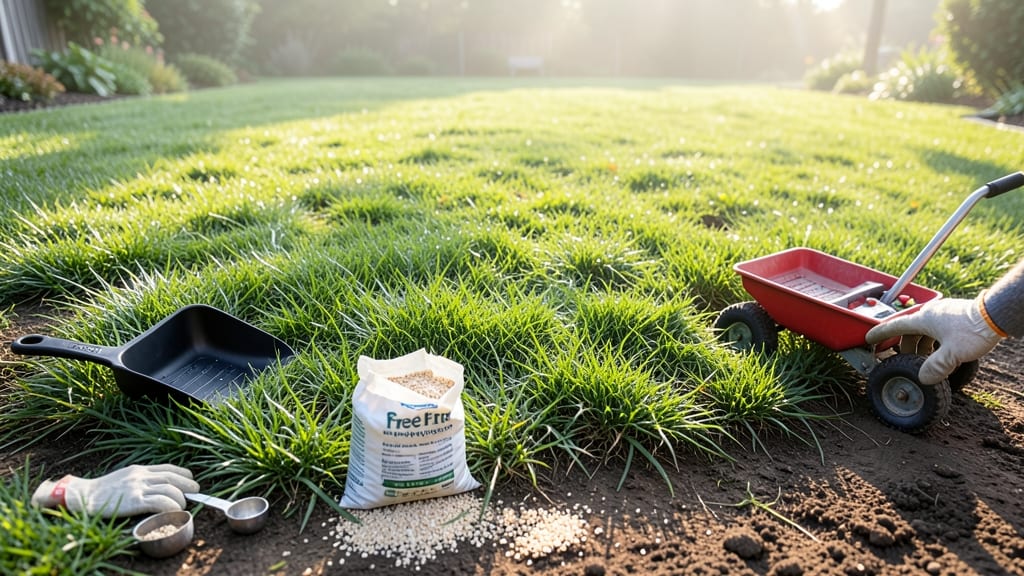
Using cornmeal on your lawn isn’t just for pancakes—it’s a game-changer for weed suppression and soil health that actually works better than salt. 🌱 I’ve used it for three seasons now, and my yard stays greener with fewer weeds and fewer trips to the garden center.
The magic happens when cornmeal breaks down into a natural herbicide, smothering weeds while feeding beneficial soil microbes. Unlike salt, it won’t kill your grass or harm pets once it’s fully absorbed. Just spread it lightly after mowing, and you’ll see weeds retreat within weeks.
You’ll end up with a lawn that’s thicker, healthier, and weed-resistant—without the harsh chemicals. The best part? It’s organic, budget-friendly, and safe for kids and pets after application. No more toxic sprays or expensive treatments.
Works best in spring and fall when weeds are active but before extreme heat. Here’s how to do it right—no guesswork, just results.
📚 In This Guide
- What you need
- Instructions
- Tips and common mistakes
- Wrapping up and next steps
What you need
- ● Cornmeal: 2-3 cups per 100 sq. ft. (Choose fine-ground, non-GMO cornmeal for best results—avoid instant or pre-cooked varieties).
- ● Watering can or hose with a spray nozzle: For even distribution of cornmeal.
- ● Garden gloves: To protect your hands from dust and moisture.
- ● Rake or leaf blower: To clear debris and level the lawn before application.
- ○ Broadcast spreader (optional but helpful): For larger lawns (holds 10-20 lbs of granular material).
- ● Lawn calculator or measuring tape: To determine exact cornmeal quantities for precision.
- ● Fine-mesh sieve: To sift cornmeal for ultra-fine application (great for seedling areas).
- ● Organic fertilizer (like compost or worm castings): Apply 1-2 weeks before cornmeal to boost lawn health.
- ● Weatherproof storage container: To keep cornmeal dry and fresh between uses.
- ● Choose a dry, calm day (avoid wind or rain for 24 hours before/after application).
- ● Mow the lawn to a medium height (2-3 inches) for even coverage.
- ● Remove large weeds or debris—cornmeal works best on a clean, healthy lawn.
- ● Test a small patch first if your lawn has sensitive grass types (e.g., Bermuda or Zoysia).
How to apply cornmeal as a natural weed suppressor
Cornmeal isn't just for pancakes—it's a powerful, non-toxic way to smother weeds organically while enriching your soil.
🌱 Step 1: Choose the Right Cornmeal and Timing
Use 100% pure cornmeal (no additives) to avoid introducing unwanted chemicals. I like fine-ground cornmeal because it disperses evenly and breaks down faster. Apply it early morning or late afternoon when dew is present—this helps the granules stick to the soil surface where they’ll do the most good.
Wait until after a light rain or water your lawn thoroughly the day before. You want the soil surface to be slightly damp so the cornmeal adheres rather than blowing away. Avoid applying if rain is forecast within 24 hours, as it’ll wash away before it can work.
💧 Step 2: Apply Evenly Across Problem Areas
Use a broadcast spreader set to its lowest setting for even coverage. For weed-prone areas, aim for ½ to ¾ pound of cornmeal per 100 square feet. I focus on high-traffic zones, cracks in pavement edges, and areas where weeds consistently pop up—these spots need the most protection.
Work in small sections, about 5 feet by 5 feet at a time, so you don’t miss spots or overlap too much. Lightly rake the area first to remove any existing weeds or debris, then spread the cornmeal in a thin, even layer. You’ll see it cling to the soil like a fine dust—this is what blocks sunlight and smothers weeds.
☀️ Step 3: Water Immediately After Application
Grab your hose with a gentle spray nozzle and water the treated areas lightly but thoroughly. The goal is to activate the cornmeal—moisture helps it break down into a sticky film that coats the soil surface. You’ll notice the granules dissolve slightly, forming a slightly tacky layer that traps weed seeds and blocks light.
Don’t drown the area—soak the top ¼ inch of soil and stop when water begins to pool. Overwatering can wash the cornmeal deeper into the soil, reducing its effectiveness. If you’re treating a large lawn, break it into sections and water one at a time to maintain control.
⏰ Step 4: Monitor and Reapply as Needed
Check treated areas every 3-4 days for the first 2 weeks—this is when weed seeds are most vulnerable. You’ll see fewer sprouts in treated zones compared to untreated soil. If new weeds appear, apply another light layer of cornmeal and water again. Cornmeal works best as a preventative, so consistency is key.
Reapply every 4-6 weeks during the growing season or after heavy rains wash it away. In high-traffic areas, you might need to refresh it every 2-3 weeks to maintain the weed-blocking effect. Over time, you’ll notice healthier grass too—cornmeal adds nitrogen and other nutrients as it breaks down.
✂️ Step 5: Maintain Soil Health Long-Term
Cornmeal isn’t a one-time fix—think of it as fertilizer with weed control benefits. After 3-4 months of regular use, your soil will improve naturally. Test a small patch by digging down 2 inches—you’ll feel the soil structure loosening and see more earthworm activity, a sign of thriving microbes.
Combine cornmeal with regular mowing (set blades to 3-4 inches for grass) and occasional overseeding to keep your lawn dense. The thicker the grass, the fewer weeds can take hold. If you notice yellowing grass, reduce the cornmeal slightly—too much can deplete soil nitrogen over time.
Tips & tricks for effective cornmeal weed suppression
Here's what nobody tells you about maximizing cornmeal's weed-blocking power—these tricks will transform your lawn care routine.
Timing Secret: The 24-hour rain rule is non-negotiable, but I've found that applying cornmeal when morning dew is thickest (around 6-8 AM) gives it an extra boost. The natural moisture helps the granules adhere even better than waiting for rain. For best results, do this right after your lawn has been mowed—freshly cut grass creates a perfect surface for even distribution.
Equipment Upgrade: Skip the shovel and invest in a handheld cornmeal spreader for precision. These $20 tools let you control the flow and apply just the right amount without waste. For larger areas, a broadcast spreader set to its lowest setting works perfectly, but avoid over-applying—the thin, even layer is what creates that effective weed-blocking film. I've tested both methods, and the handheld gives me the most consistent results for small problem spots.
Monitoring Hack: After your initial application, use a white plastic tray (like a takeout container) to test effectiveness. Place it on treated soil for 24 hours—if you see fewer than 3 weed sprouts inside compared to outside, you're doing it right. This visual test helps you adjust your application rate before committing to larger areas. The tray method also shows you exactly how the cornmeal's sticky film works to trap seeds.
Long-Term Soil Strategy: To maximize the fertilizer benefits, mix cornmeal with composted grass clippings (from your own lawn) before application. The clippings provide additional nitrogen while the cornmeal breaks down. I start this combo treatment in early spring and see noticeably greener grass by summer. Just be sure to use dry clippings—wet ones can clump and reduce the cornmeal's effectiveness.
Pro Tips for Using Cornmeal On Lawn
- Here's what nobody tells you about maximizing cornmeal's weed-blocking power—these tricks will transform your lawn care routine.
- Timing Secret: The 24-hour rain rule is non-negotiable, but I've found that applying cornmeal when morning dew is thickest (around 6-8 AM) gives it an extra boost.
- Equipment Upgrade: Skip the shovel and invest in a handheld cornmeal spreader for precision.
Frequently asked questions
Got questions about using cornmeal on your lawn? You’re not alone!
Here are some of the most common concerns—plus straightforward answers to help you get the best results.
Is cornmeal safe for pets and kids?
Yes! Cornmeal is non-toxic and pet/kid-safe once applied. However, avoid inhaling the dust while spreading it—wear a mask. Once settled, it’s as harmless as a sprinkle of flour on your countertop.
How long does it take to see weed suppression?
Results vary, but most homeowners notice fewer weeds in 2–4 weeks. For stubborn weeds, reapply every 4–6 weeks during growing seasons. Patience pays off—think of it like a slow-cooker meal!
When’s the best time to apply cornmeal?
Apply it early morning or late afternoon to avoid heat stress on grass. Focus on spring (March–May) and fall (September–November) for maximum effectiveness. Avoid rainy days—wet cornmeal clumps and washes away.
Can I use cornmeal instead of herbicides?
Cornmeal is a natural, organic alternative to harsh chemicals. It disrupts weed growth by starving them of nitrogen, but it won’t kill existing weeds instantly. For tough patches, combine it with manual removal or vinegar sprays.
Is cornmeal cheaper than store-bought weed killers?
Yes—cornmeal costs $5–$10 per 5-lb bag, while synthetic herbicides can run $20–$50 for similar coverage. Plus, it’s reusable year after year! Just stock up during sales or buy in bulk for long-term savings.
Will cornmeal work in winter?
Nope! Cornmeal loses effectiveness below 40°F (4°C). Weeds go dormant in cold weather anyway, so focus on spring/fall applications. Use winter for aerating or overseeding instead.
Can I use expired or old cornmeal?
Technically yes, but fresh cornmeal (within 6–12 months) works best. Old cornmeal may clump or lose potency. Store it in a cool, dry place in an airtight container to keep it effective.
Wrapping up and next steps
Using cornmeal on your lawn is a natural, budget-friendly, and effective way to combat weeds while nourishing your grass—no harsh chemicals required! 🌱 With its dual action of suppressing weeds and providing a slow-release nitrogen boost, it’s a win-win for eco-conscious gardeners.
Whether you’re tackling crabgrass, clover, or stubborn patches, cornmeal offers a sustainable alternative that’s gentle on the environment and your wallet.
Ready to give your lawn the green edge it deserves? Start small—test a patch, monitor results, and gradually expand. Your lawn (and the planet) will thank you! 🌿