
Lawn
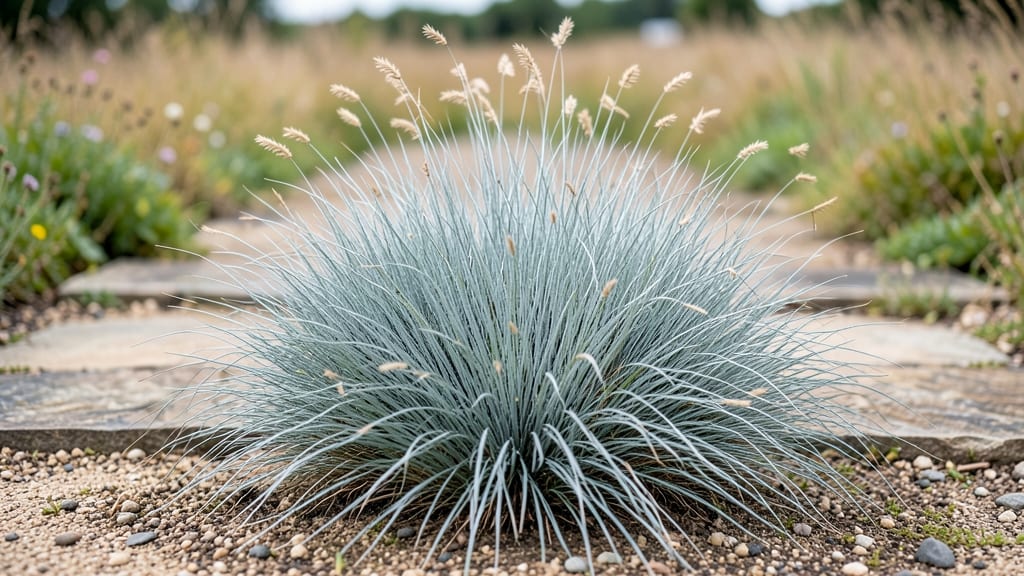
A blue fescue lawn transforms your yard into a lush, drought-resistant carpet that stays green when other grasses struggle. 🌿 I’ve watched mine thrive through summer heatwaves while neighbors water their thirsty lawns daily—no overwatering, no fuss, just elegant blue-green blades that sway in the breeze.
The secret starts with soil: test your yard’s drainage and pH, then loosen the top 4 inches with a rake or aerator. Blue fescue prefers well-draining, slightly acidic soil (pH 5.0–6.5), so amend with compost if needed.
Seeding takes patience—sprinkle seeds thinly in late summer or early fall when soil temps dip below 75°F, then lightly cover with straw to protect them from birds. Once established, mow high (3–4 inches) to shade roots and retain moisture, and water deeply once a week (or less in droughts).
Fertilize lightly in early spring with a slow-release, low-nitrogen blend—blue fescue hates heavy feeding. Weeds? They barely stand a chance against this dense, shade-tolerant grass. Perfect for sunny slopes, shady patches, or any yard where water conservation matters. Here’s how to make it happen—without the high-maintenance drama of traditional lawns.
📚 In This Guide
- What you need
- Instructions
- Tips and common mistakes
- Wrapping up and next steps
What you need
- ● Blue fescue grass seed: 5–10 lbs per 1,000 sq. ft. (choose a drought-tolerant variety like Festuca glauca)
- ● Lawn soil test kit: To check pH and nutrient levels (ideal pH: 6.0–7.0)
- ○ Topsoil or compost: 2–3 inches for seedbed prep (optional but recommended for poor soil)
- ● Lawn rake: Heavy-duty, with metal tines for aeration
- ● Broadcast spreader: For even seed distribution (manual or handheld)
- ● Watering system: Hose with adjustable nozzle or sprinkler (light mist setting)
- ● Fertilizer (low-nitrogen, slow-release): 10-10-10 or similar (apply after germination)
- ● Straw or peat moss: Light layer (¼ inch) to protect seeds from birds/wind
- ● Soil conditioner: Gypsum or lime to amend compacted soil
- ● Lawn roller: Lightweight (10–20 lbs) for seed-to-soil contact
- ● Organic mulch: Pine straw or shredded leaves for moisture retention
- ● Weed barrier fabric: If overseeding an existing lawn with weeds
- ● Knee pads or gloves: For comfort during prep and planting
Step-by-Step guide to establishing a lush blue fescue lawn
Here's how to create a stunning, drought-tolerant lawn that thrives with minimal effort.
🌱 Step 1: Prepare the Soil for Optimal Growth
Start by removing all existing vegetation, weeds, and debris from your lawn area. Use a shovel or sod cutter to dig up grass and loosen the top 6 inches of soil. This ensures proper root penetration for your blue fescue. I like to rent a rototiller for larger areas—it saves time and gives consistent results.
After clearing, rake the soil smooth to eliminate any large clumps or rocks. Test the soil pH using a simple kit (aim for 6.0-7.0). If needed, amend with lime to raise pH or sulfur to lower it. Blue fescue prefers well-draining soil, so if your area has heavy clay, mix in 2-3 inches of compost or sand to improve drainage. Water the prepared soil lightly to settle everything before seeding.
🌱 Step 2: Spread Blue Fescue Seed Evenly
Use a broadcast spreader for even coverage—blue fescue seeds are tiny, so precision matters. Apply 4-6 pounds of seed per 1,000 square feet, following the manufacturer's guidelines. Walk in a crisscross pattern to avoid missed spots. I mark my lawn into sections to ensure consistent coverage; this prevents patchy growth later.
After spreading, lightly rake the seeds into the soil with a stiff-bristled rake. Press them just enough to ensure good soil contact—this encourages germination. Avoid burying seeds deeper than ¼ inch, as blue fescue needs light to sprout. A gentle watering with a fine mist will help settle the seeds without washing them away.
💧 Step 3: Maintain Consistent Moisture During Germination
Keep the soil consistently moist for the first 2-3 weeks—this is critical for germination. Water lightly 2-3 times daily using a sprinkler or hose with a gentle spray nozzle. The top ½ inch of soil should stay damp but not soggy. Overwatering can cause seed rot, while underwatering leads to poor establishment.
Once seedlings appear (usually in 7-14 days), reduce watering to 1-2 times daily while keeping the soil moist. You'll notice tiny, grass-like blades emerging—this is your signal to adjust care. Avoid heavy foot traffic until the lawn reaches 3-4 inches tall. Blue fescue grows slowly at first, so patience is key.
☀️ Step 4: Adjust Care for Mature Growth and Drought Resistance
After 4-6 weeks, when the lawn reaches 3-4 inches, gradually reduce watering to 1-2 times per week. Blue fescue thrives on 10-12 inches of annual rainfall—once established, it rarely needs supplemental watering. Mow when the grass reaches 3-4 inches, never cutting more than ⅓ of the blade height at a time. A sharp mower blade prevents tearing, which weakens the grass.
Fertilize lightly in early spring with a slow-release, low-nitrogen fertilizer (look for a 5-10-10 ratio). Blue fescue doesn’t need much—over-fertilizing leads to weak growth. Aerate the lawn annually in fall to improve soil health and prevent compaction. This grass handles foot traffic well, making it ideal for family areas or light play spaces.
✂️ Step 5: Maintain Year-Round for Long-Term Beauty
Leave grass clippings on the lawn after mowing—they return nutrients to the soil naturally. In winter, reduce mowing frequency as growth slows. Blue fescue stays green in mild winters but may turn brown in freezing temperatures—this is normal and doesn’t harm the plant. Avoid heavy foot traffic on frozen lawns to prevent damage.
Spot-treat weeds with a selective herbicide if needed, but blue fescue’s density usually crowds out most weeds naturally. Overseed thin areas in early fall to maintain a lush look. With proper care, your blue fescue lawn will develop a deep, silvery-blue hue and a fine, textured appearance that’s both elegant and resilient.
Tips & tricks for perfect blue fescue lawn establishment
Here's what I've learned from planting and maintaining blue fescue over the years—these tricks will help you avoid common pitfalls and get that dreamy, drought-resistant lawn.
Precision in Seeding: When spreading those 4-6 pounds of seed per 1,000 square feet, I swear by the "section method." Divide your lawn into 50-foot squares and mark them with stakes. This ensures you don't miss spots or double up—blue fescue seeds are tiny, and uneven coverage leads to patchy growth. For larger areas, consider renting a walk-behind spreader for even distribution.
Soil Prep Secret: That 6-inch soil loosening in Step 1 isn't just about roots—it's about creating air pockets. After tilling, I like to run a garden roller lightly over the area to settle the soil without compacting it. This gives seeds better contact with the soil while preventing crusting that blocks germination. Think of it as giving your seeds a cozy bed to snuggle into.
Watering Wisdom: The 2-3 times daily watering in the first 2-3 weeks can be tricky—morning is best, but avoid watering in the heat of the day. I set a timer for 10-15 minutes each session to prevent runoff while keeping that top ½ inch consistently damp. A sprinkler with adjustable nozzles works better than a hose for even coverage. Pro tip: Water when you see the soil starting to dry out rather than on a strict schedule.
Long-Term Maintenance Hack: Once established, blue fescue's drought resistance means you can let it grow taller between mowings—up to 4-5 inches—before cutting back to 3-4 inches. This deeper growth helps shade out weeds naturally. I've found that mowing with a mulching mower (which chops clippings finely) eliminates the need for bagging and returns nutrients to the soil automatically. It's like getting a free fertilizer every time you mow!
Pro Tips for Blue Fescue Lawn
- Here's what I've learned from planting and maintaining blue fescue over the years—these tricks will help you avoid common pitfalls and get that dreamy, drought-resistant lawn.
- Precision in Seeding: When spreading those 4-6 pounds of seed per 1,000 square feet, I swear by the "section method."
- Soil Prep Secret: That 6-inch soil loosening in Step 1 isn't just about roots—it's about creating air pockets.
Frequently asked questions
Got questions about transforming your lawn into a stunning, low-maintenance blue fescue lawn? Here are some of the most common ones—and their answers!
Is blue fescue grass really drought-resistant?
Blue fescue is one of the most drought-tolerant grasses available. Once established, it thrives with minimal watering—perfect for water-conscious gardeners. It stays green longer than many other grasses during dry spells, making it ideal for arid climates or busy homeowners.
How long does it take for blue fescue to fully establish?
Patience pays off! Blue fescue typically takes 6 to 12 months to fully establish, depending on climate and care. During this time, keep it consistently moist (but not soggy) to encourage deep root growth. After establishment, it requires far less water and maintenance.
Is blue fescue more expensive than regular grass seed?
Yes, it’s usually 20-50% pricier than Kentucky bluegrass or fescue blends. However, its longevity, drought resistance, and low upkeep make it a cost-effective choice over time. Think of it as an investment in a low-maintenance, high-impact lawn that saves you money (and effort) in the long run!
What’s the best way to troubleshoot brown patches in blue fescue?
Brown patches can stem from drought, disease, or pests. First, check if the soil is dry—water deeply if needed. If the issue persists, test for fungal diseases (like brown patch) or insect damage. Over-seeding bare spots with more blue fescue or a compatible grass blend can also help restore uniformity.
Can I mix blue fescue with other grasses for a fuller look?
Yes! Mixing blue fescue with fine fescue or creeping red fescue can create a denser, more resilient lawn. However, avoid pairing it with aggressive grasses like Bermuda or Zoysia, which may outcompete it. Stick to cool-season blends for the best results.
Wrapping up and next steps
A blue fescue lawn isn’t just a trend—it’s a game-changer for homeowners who crave beauty and practicality. 🌿 With its drought resistance, low-maintenance charm, and stunning visual appeal, it’s the perfect upgrade for any yard.
Whether you’re tackling a new installation or sprucing up an existing space, this grass is your secret weapon for a lush, effortless lawn.
Ready to transform your outdoor space? Start by gathering your supplies, following the steps with confidence, and soon, you’ll be basking in the pride of your stunning, resilient lawn. Your dream green oasis is just a few steps away!