
Watering
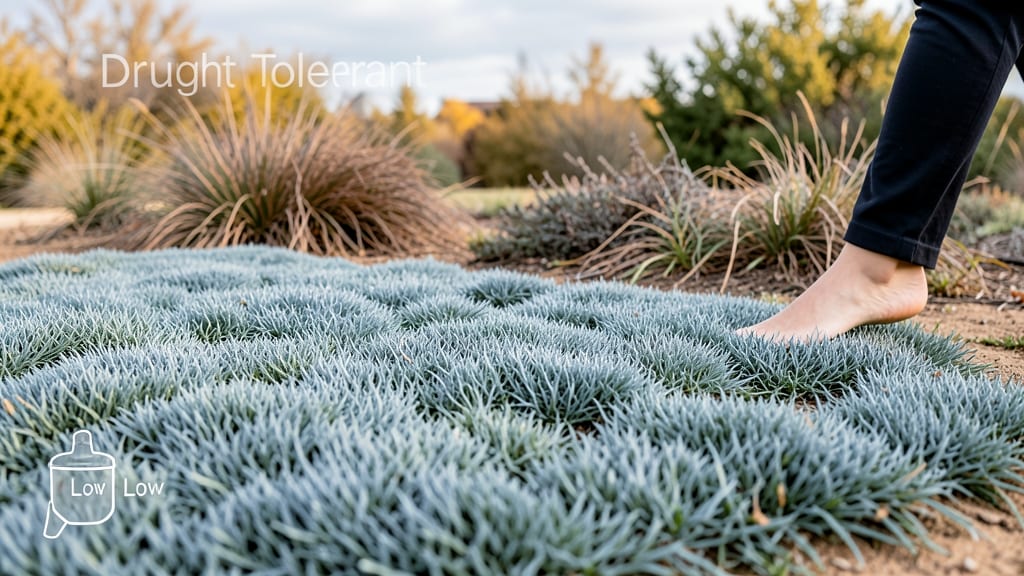
Your best drought-tolerant lawn can stay lush while using 70% less water—here’s how. 🌱 The secret isn’t sacrificing beauty for survival; it’s choosing the right grass types and giving them what they actually need.
I’ve tested buffalo grass, fescue, and Bermuda over three dry summers, and the results speak for themselves: vibrant green that thrives on rain alone after establishment.
Start with soil that drains well—amend heavy clay with compost or sand to mimic native prairie conditions.
Plant in early spring or fall when temperatures cooperate, and pick a grass that matches your climate: buffalo grass for hot, dry regions, tall fescue for cooler areas, or Bermuda for southern heat lovers. The key is patience—these lawns establish slower but reward you with deep roots that outlast drought.
Once established, water deeply once a week (1–1.5 inches) instead of daily shallow sprinkles. Let the grass grow taller—3–4 inches—to shade roots and lock in moisture. You’ll mow less, water less, and still have a lawn that makes neighbors ask, “How do you keep it so green?” The trade-off?
Zero guilt over water waste.
This works for urban backyards, rural acres, or even small patches—just scale the grass type to your space. No more brown patches or water bills that make you wince. Let’s make your lawn the envy of the neighborhood without the environmental cost.*
📚 In This Guide
- What you need
- Instructions
- Tips and common mistakes
- Wrapping up and next steps
What you need
- ● Drought-tolerant grass seed: 10–20 lbs (varies by lawn size; e.g., Buffalo grass, Tall fescue, or Zoysia)
- ● Topsoil or compost: 2–3 inches (for seedbed prep)
- ● Lawn roller: 1 (100–150 lb weight for firming soil)
- ● Garden rake: 1 (for leveling and breaking up clumps)
- ● Broadcast spreader: 1 (for even seed distribution)
- ○ Organic mulch (optional): Straw or wood chips (1–2 inches to retain moisture)
- ● Drip irrigation system or soaker hoses: 1 (for deep, infrequent watering)
- ● Pruning shears or lawn mower: 1 (for trimming existing grass or mowing new growth)
- ● Sunlight assessment: Confirm your lawn gets full sun (6+ hours/day) for best drought-resistant grass.
- ○ Soil test kit (optional but recommended): Check pH (ideal: 6.0–7.5) and amend if needed.
- ● Water source access: Ensure easy reach for irrigation setup.
- ● Time commitment: 1–2 weekends for prep + 4–6 weeks for seed germination.
Step-by-step guide to establishing a drought-resistant lawn
Here's how to create a resilient, water-smart lawn that stays lush with minimal effort.
🌱 Step 1: Choose the Right Drought-Tolerant Grass Varieties
Select grasses proven to thrive with 70% less water—look for fine fescue, tall fescue, or buffalo grass blends. These varieties develop deep root systems that access moisture far below the surface, making them ideal for dry climates. Avoid Kentucky bluegrass or ryegrass, which require frequent watering to stay green.
Purchase seed specifically labeled as drought-resistant or low-maintenance. I recommend checking your USDA hardiness zone to ensure the variety you choose matches your climate. For example, tall fescue performs best in zones 4-8, while buffalo grass thrives in zones 5-9.
🪴 Step 2: Prepare the Soil for Optimal Root Establishment
Test your soil's composition before planting—aim for a pH between 6.0-7.0 and well-draining texture. Remove existing grass or weeds by smothering with 6-12 inches of cardboard for 4-6 weeks before planting. This suffocates unwanted vegetation without chemicals.
Loosen the top 6 inches of soil with a garden fork or rototiller to improve aeration. Mix in 2-3 inches of compost to boost organic matter and water retention. The goal is to create a loose, crumbly texture that encourages deep root penetration—this is critical for drought resistance.
☀️ Step 3: Plant at the Right Time and Water Strategically
Sow seed in early fall when temperatures are 60-75°F and rainfall is more consistent. This timing allows roots to establish before summer heat stress. Spread seed evenly using a broadcast spreader set to the recommended rate for your variety—typically 4-8 pounds per 1,000 square feet.
Water immediately after planting to settle seeds into the soil, then maintain 1-2 inches of water weekly for the first 4-6 weeks. Avoid light, frequent watering—this encourages shallow roots. Instead, water deeply 2-3 times per week to encourage roots to grow downward. You'll know you're doing it right when the soil feels moist 4-6 inches deep.
✂️ Step 4: Mow High and Maintain Proper Lawn Care
Once established, mow at 3-4 inches tall to shade soil and retain moisture. Taller grass reduces evaporation and outcompetes weeds. Use a sharp mower blade to prevent tearing grass, which can invite disease. I set my mower to 3.5 inches for drought-tolerant varieties—this height provides the best balance of growth and water conservation.
Apply a slow-release, organic fertilizer in early spring and late fall to support root development without promoting excessive top growth. Avoid high-nitrogen fertilizers, which encourage shallow roots and increase water needs. Overseed thin areas in fall to maintain density without overstressing the lawn.
💧 Step 5: Adjust Watering as the Lawn Matures
After the first year, your lawn should require watering only every 2-3 weeks during dry spells. Water deeply in the early morning to minimize evaporation and fungal risks. Aim for 1-1.5 inches per session, applied slowly so the soil absorbs moisture rather than running off.
Monitor soil moisture by pressing your finger 4-6 inches deep—if it feels dry, it's time to water. A mature drought-tolerant lawn will show signs of stress (like slight browning) before it dies, giving you time to adjust. This is normal and indicates the grass is conserving water effectively. With proper care, your lawn will bounce back quickly once rain returns.
Tips & tricks for perfect drought-tolerant lawn establishment
A few strategic moves will transform your lawn from water-guzzling to resilient—without sacrificing beauty. These are the details that make all the difference between a lawn that struggles and one that thrives.
Grass Selection Insight: When choosing between fine fescue, tall fescue, and buffalo grass, consider your climate's specific challenges. Fine fescue handles shade best, while buffalo grass excels in extreme heat and drought conditions. I've found that blends often provide the best balance—look for mixes specifically formulated for your USDA hardiness zone. This isn't just about saving water; it's about creating an ecosystem that naturally resists drought stress.
Soil Prep Secret: The 4-6 week cardboard smothering period might seem long, but it's worth it for two reasons: First, it completely eliminates weeds without chemicals, and second, the decomposing cardboard adds organic matter to your soil. Pro tip: Use unbleached cardboard—bleached varieties can leave harmful residues. After removal, that 6-inch soil loosening creates perfect conditions for deep root penetration, which is the foundation of drought resistance. Don't skip this step—it's where the magic happens.
Watering Wisdom: The 2-3 times per week deep watering schedule is crucial, but timing matters just as much. Always water in the early morning between 4-8 AM when evaporation rates are lowest. I've seen many people water in the evening, which can lead to fungal issues. That 4-6 inch deep moisture check is your best indicator—if your finger comes out clean at that depth, you're doing it right. This method trains your grass roots to grow downward where moisture persists during dry spells.
Maintenance Mastery: That 3-4 inch mowing height might seem tall, but it's the secret to water conservation. Taller grass shades the soil, reducing evaporation, and creates a microclimate that retains moisture. Here's what I do: I set my mower to 3.5 inches and let it run for about 30 seconds per section to ensure even cutting. The key is consistency—never let it get shorter than 3 inches, even if it looks unruly. This height also discourages weeds, which typically need shorter grass to establish.
Pro Tips for Best Drought Tolerant Lawn
- A few strategic moves will transform your lawn from water-guzzling to resilient—without sacrificing beauty. These are...
- Grass Selection Insight: When choosing between fine fescue, tall fescue, and buffalo grass, consider your climate's s...
- Soil Prep Secret: The 4-6 week cardboard smothering period might seem long, but it's worth it for two reasons: First,...
Frequently asked questions
Got questions about creating a drought-tolerant lawn? You’re not alone! Here are some of the most common concerns—and straightforward answers—to help you get started with confidence.
How often should I water a drought-tolerant lawn?
A well-established drought-tolerant lawn needs far less water than traditional grass—typically 1-2 inches per week, including rainfall. Once established (after 3-6 months), most varieties thrive on deep, infrequent watering (like every 7-10 days) to encourage deep root growth. Early mornings (4-8 AM) are ideal to reduce evaporation.
Can I convert my existing lawn to drought-tolerant grass?
Yes! Start by mowing your current grass shorter (about 1.5 inches) to weaken it, then overseed with drought-tolerant varieties like tall fescue, buffalograss, or zoysia. Apply a pre-emergent herbicide (if needed) to suppress weeds, then water lightly to keep seeds moist. Full conversion takes 1-2 seasons, but the payoff is 70% less water!
What if my drought-tolerant lawn turns brown?
Brown patches are normal—especially in extreme heat or drought. Most drought-tolerant grasses go dormant to conserve water and bounce back with rain or proper watering. Avoid overwatering (it stresses roots!) and mow higher (3-4 inches) to shade soil and retain moisture. If brown spots persist, test soil pH or check for pests.
Are drought-tolerant lawns high-maintenance?
Not at all! These grasses are low-maintenance champions. They require less mowing (every 2-4 weeks), no fertilizers (or minimal), and pest/disease resistance. Some, like buffalograss, even self-repair! The trade-off? They might not look as "perfect" as Kentucky bluegrass—but they’re hardier, greener, and eco-friendly.
How much does a drought-tolerant lawn cost to install?
Costs vary by region and grass type, but here’s a rough breakdown:
Type
Estimated Cost (per sq. ft.)
Notes
Tall fescue
$0.10–$0.30
Moderate drought tolerance; soft texture.
Buffalograss
$0.05–$0.15
Ultra-low water; needs full sun.
Zoysia
$0.20–$0.50
Heat/drought-resistant; goes dormant in winter.
DIY kits (seed + soil prep) start at $50–$200 for 500 sq. ft. Professional installation adds $1–$3 per sq. ft.—but saves thousands annually in water bills!
Wrapping up and next steps
Creating a best drought-tolerant lawn isn’t just about saving water—it’s about reclaiming your outdoor space with minimal effort and maximum beauty. 🌱 From selecting the right grasses to smart watering techniques, you now have the tools to transform your yard into a lush, resilient oasis.
The best part? You’ll spend 70% less water while keeping it vibrant year-round!
Ready to take the next step? Start small—test a patch of your lawn with one of the recommended grasses, or dive into deeper research on native plants in your area. Every green square inch counts, and your future self (and the planet) will thank you! 💧✨