
Lawn
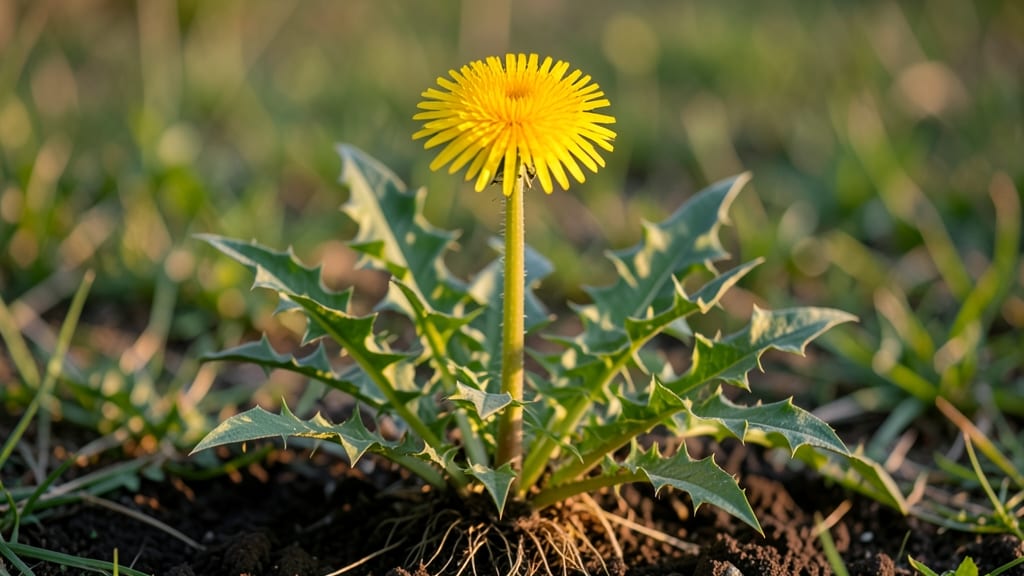
That stubborn small yellow lawn weed popping up between your grass blades? Dandelion-free yards start with knowing exactly what you're up against—and how to outsmart it before it spreads. 🌱 I’ve spent too many weekends yanking the same weeds, only to see them back the next week, so I developed a system that actually works.
The key isn’t brute force—it’s timing, the right tools, and a little strategy to starve them out without harming your lawn.
Most of those bright yellow invaders are dandelions, but chickweed and clover can look similar when they’re young. The good news?
All three respond to the same 3-day plan: pull them when the soil’s moist (early morning or after rain), use a long-handled weeder to get the roots, and follow up with a corn gluten meal treatment in fall to block new seeds.
No chemicals, no guesswork—just science-backed tactics that actually keep your lawn looking sharp.
By day three, you’ll see a noticeable difference—fewer weeds, healthier grass filling in the gaps, and that satisfying feeling of reclaiming your yard. The secret weapon? Consistency. Spend 10 minutes daily for three days, and you’ll break the weed cycle for good.
Plus, your lawn will start looking like the envy of the neighborhood, not the punchline of every spring.
Works in any season (though fall is ideal), on any grass type, and even in shady spots. The only thing you’ll be pulling is weeds—no more mystery yellow surprises ruining your weekend plans. Let’s get started!
Root Causes of Unwanted Growth
If your lawn is suddenly dotted with tiny yellow weeds—especially those pesky, dandelion-like invaders—you’re likely dealing with a mix of environmental and maintenance-related triggers. Understanding these causes is the first step to reclaiming your grassy paradise. Let’s dig into the science behind why these weeds take over.
Weeds thrive where grass struggles. If your soil lacks essential nutrients or has an imbalanced pH, your lawn becomes a weak defense against invaders. Here’s how it breaks down:
- Low nitrogen: Grass needs nitrogen to grow thick and dense. When soil is depleted, weeds like dandelions or chickweed (common yellow lawn weeds) fill the gaps because they’re more resilient to poor conditions.
- Compacted soil: Heavy foot traffic, machinery, or clay-heavy soils compress the ground, restricting root growth and water absorption. Weeds exploit these compacted zones because their shallow roots can still access moisture.
- pH imbalances: Most grasses prefer a pH between 6.0 and 7.0. If your soil is too acidic (<6.0) or alkaline (>7.5), grass struggles to uptake nutrients, while weeds—often more adaptable—take over.
💡 Pro Tip: Test your soil’s pH and nutrient levels with a DIY kit (available at garden centers). Amend compacted soil with compost or sand and fertilize with a slow-release nitrogen-rich product to strengthen your lawn’s defenses.
Water is a double-edged sword for lawn health. Too much or too little creates the perfect conditions for weeds to move in:
- Overwatering: Excess moisture drowns grass roots, creating soggy patches where weeds like ground ivy or creeping buttercup (both yellow-hued) flourish. These weeds love damp, shaded areas where grass struggles.
- Underwatering: Drought-stressed grass turns brown and sparse, leaving bare spots that weeds quickly colonize. Yellow lawn weeds often appear first in these dry, weak areas.
- Irregular watering: Uneven moisture levels (e.g., sprinklers that miss spots) create a patchwork of stressed and healthy grass, inviting weeds to fill the gaps.
🌡️ Actionable Fix: Water deeply 1–1.5 inches per week, preferably early morning to reduce evaporation. Use a rain gauge or tuna can to measure output, and adjust sprinklers to cover the entire lawn evenly.
Your mowing habits play a bigger role in weed growth than you might think. Here’s how improper maintenance opens the door to yellow lawn weeds:
- Cutting too short: Scalping your lawn (mowing below 2–3 inches) weakens grass, exposes soil to sunlight (encouraging weed seeds to germinate), and stresses roots. Weeds like clover or henbit (both yellowish) thrive in short, stressed turf.
- Skipping regular mowing: Tall grass shades the soil, but it also creates a cozy environment for weed seeds to sprout. Over time, weeds outcompete grass for sunlight and nutrients.
- Using dull mower blades: A dull blade tears grass instead of cleanly cutting it, leading to brown tips and stress. Weak grass = easy prey for weeds.
🔪 Maintenance Hack: Mow high (3–4 inches for most grasses) and sharpen blades every 10–15 hours of use. Bag clippings if your lawn is heavily infested to remove weed seeds before they spread.
Yellow lawn weeds don’t appear randomly—they follow a seasonal pattern tied to germination and growth cycles:
- Spring and fall: These are the peak germination periods for many weeds. Warm soil (60–75°F) and consistent moisture trigger seeds to sprout. If your lawn is thin, weeds like dandelions or plantain will dominate.
- Winter dormancy: Some weeds (e.g., henbit) survive winter as low-growing rosettes and explode in early spring when conditions improve.
- Summer heat: Drought or heat stress weakens grass, creating opportunities for crabgrass or spurred anoda (a yellow-flowered weed) to invade.
⏰ Strategic Timing: Apply pre-emergent herbicides in early spring (before weeds germinate) and late summer (to block fall weeds). For organic control, overseed bare spots in early fall when grass recovers fastest.
By addressing these root causes—soil health, water balance, mowing practices, and seasonal timing—you’ll starve out yellow lawn weeds before they take over. The key? Consistency. Healthy grass is the best weed barrier!
Quick Fixes for Stubborn Lawn Invaders
Got those pesky small yellow lawn weeds creeping into your once-pristine yard? Don’t panic—these fixes tackle the problem at its roots (literally). Below, we’ve mapped the most common causes to the simplest, most effective solutions.
Whether it’s overwatering, compacted soil, or just plain neglect, we’ve got a game plan to reclaim your lawn in 3 days or less—no dandelions in sight!
If your lawn stays soggy or you’re watering like a desert oasis, yellow weeds love the party. Solution: Reset your watering habits and improve drainage.
- 💧 Adjust Your Watering Schedule
- Water deeply 2–3 times per week (early morning is best) instead of daily light sprinkles.
- Aim for 1–1.5 inches of water per week—use a rain gauge or tuna can to measure.
- Stop watering 48 hours before rain to avoid over-saturating the soil.
- 🏗️ Boost Drainage Naturally
- Aerate compacted soil with a core aerator (rent one or DIY with a garden fork).
- Add organic matter: Mix in compost or coarse sand (1–2 inches) to improve soil structure.
- Check for grading issues: If water pools in spots, regrade the area with a slight slope (¼ inch per foot) away from your house.
- 🌡️ Pro Tip: If your lawn feels spongy underfoot, it’s time to aerate. Do this in early fall or spring for best results.
Weeds thrive where grass struggles—usually because the soil is barely alive. Solution: Give your lawn a nutrient boost and thicken the grass to crowd out invaders.
- 🌱 Test Your Soil First
- Grab a DIY soil test kit ($10–$20) or send a sample to your local Cooperative Extension Service.
- Fix pH if needed: Lime (for acidic soil) or sulfur (for alkaline soil)—follow package rates.
- 💪 Fertilize Smartly
- Spring/fall: Apply a slow-release, nitrogen-rich fertilizer (like 24-0-6).
- Spot-treat bare patches with quick-release grass seed + starter fertilizer.
- Avoid overdoing it: Too much nitrogen = more weeds. Follow label instructions precisely.
- 🌿 Overseed Like a Pro
- Best time: Late summer or early fall (when weeds are weak).
- Method: Rent a slit-seeder or use a drop spreader for even coverage.
- Seed mix: Choose a shade-tolerant blend if your yard has trees.
- ✨ Pro Tip: Top-dress with compost after seeding to lock in moisture and nutrients.
Weeds sneak in where grass is weak. Solution: Thicken your turf so there’s no room for intruders.
- 🔪 Mow High and Often
- Set your mower to 3–4 inches—taller grass shades out weeds.
- Never remove more than ⅓ of the blade at once (so don’t scalp it!).
- 🪒 Edge and Fill Gaps
- Use a sharp spade or edging tool to clean up cracks in sidewalks/driveways.
- Fill gaps with sand or gravel to prevent weed seeds from settling.
- 🌱 Hand-Pull or Spot-Treat
- For small patches: Grab weeds at the root (use gloves—some have nasty sap!).
- For stubborn spots: Use a vinegar-based weed killer (5% acetic acid) on sunny days. Spot-test first!
- 🎯 Prevention Hack: Pre-emergent herbicide in early spring (before weeds sprout) can stop them in their tracks.
Not all weeds respond the same. Here’s a quick guide:
| Weed Type | Best Fix | When to Apply |
|---|---|---|
| Chickweed | Hand-pull + corn gluten meal | Fall or early spring |
| Clover | Overseed + iron supplement | Late summer |
| Henbit | Pre-emergent + mowing | Early spring |
| Moss | Lime + improve drainage | Fall |
- 💡 Natural Route: Corn gluten meal (applied in fall) prevents weed seeds from germinating.
- 🔥 Chemical Route: Selective herbicides (like 2,4-D) kill broadleaf weeds without harming grass. Always follow label directions!
Once your lawn is back in shape, lock in those gains with these long-term strategies:
- 🌱 Mulch properly: Use 3–4 inches of wood chips around garden beds to block light.
- 🚫 Stay on top of weeds: Pull or treat new sprouts within 48 hours of appearance.
- 💧 Water wisely: Deep and infrequent beats shallow, daily sprinkles.
- 🌿 Regular maintenance: Mow, feed, and aerate on a seasonal schedule.
Remember: Patience is key—consistency beats quick fixes. In 3 days, you’ll see fewer weeds; in 3 weeks, your lawn will be lush and dandelion-free! 🚀
Frequently asked questions
How can I tell if my small yellow lawn weed is a dandelion?
Look for these key clues: Dandelions have jagged, toothed leaves arranged in a rosette at the base, and their bright yellow flowers grow on leafless stems. When they go to seed, they develop a puffball with white, fluffy seed heads. Chickweed, another common yellowish weed, has smooth, oval leaves and a more sprawling growth habit.
Will vinegar really kill small yellow lawn weeds?
Yes, but use it carefully! A 5% acetic acid vinegar solution (1 part vinegar to 1 part water) works best on sunny days. Spray directly on weeds, avoiding grass—vinegar kills both weeds and grass. For spot treatment, use a dropper or spray bottle and reapply every 2-3 days until weeds die. Best for driveways or sidewalks where grass isn't growing.
Why do small yellow weeds keep coming back even after I pull them?
Weeds often return because their roots break off when pulled or because new seeds are already in the soil. To stop regrowth: Pull when soil is moist (early morning), use a long-handled weeder to get the entire root, and apply corn gluten meal in fall to prevent seed germination. Also check for bare spots—thick grass crowds out weeds naturally.
Is it safe to use herbicides on my lawn if I have pets?
Most selective herbicides (like 2,4-D) are safe once dry, but always follow label instructions. For pet-friendly lawns, opt for natural alternatives: Boiling water (pour directly on weeds), salt and vinegar mix (spot treat only), or hand-pulling. Wait 24-48 hours after treatment before letting pets back on the lawn to ensure safety.
Can I prevent small yellow weeds before they appear?
Focus on three key strategies:
- Maintain healthy grass by mowing high (3-4 inches),
- Overseed bare spots in fall, and
- Apply corn gluten meal (a natural pre-emergent) in late winter. Proper watering (deep and infrequent) and regular aeration also create an environment where grass outcompetes weeds naturally.