
Lawn
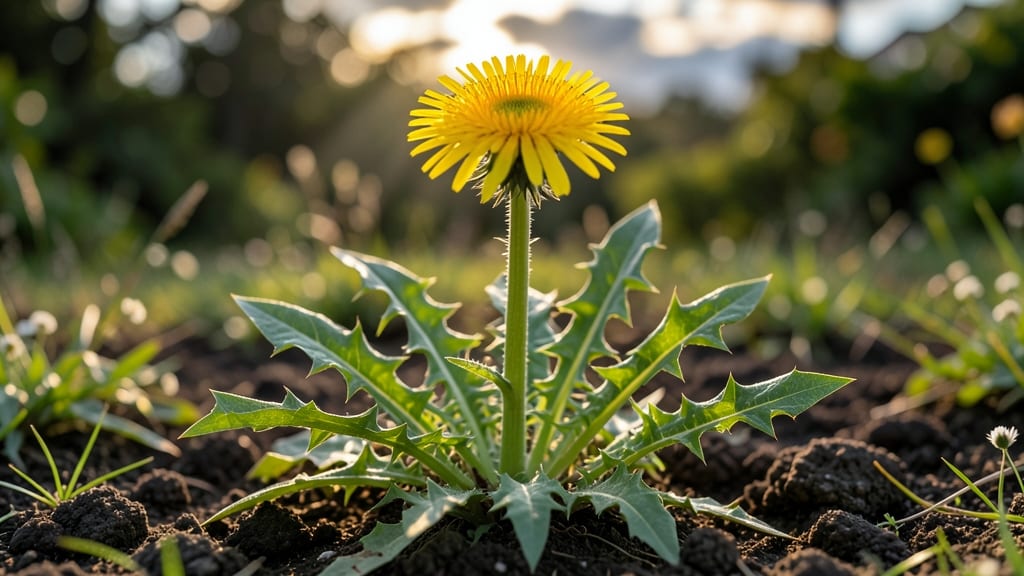
That stubborn tiny yellow flower weed in the lawn popping up everywhere? 🌱 I’ve spent years battling dandelions, clover, and chickweed—only to realize most "weeds" aren’t even the worst offenders.
The good news? You can turn your lawn back into a lush, weed-free carpet in just 3 days with the right approach.
Most of these yellow invaders—like creeping Charlie or henbit—thrive because they outcompete grass for sunlight and nutrients. But here’s the secret: pulling them by hand (yes, really) works faster than herbicides and costs nothing.
The key is timing: tackle them when soil is moist but not muddy, and you’ll yank them out clean without leaving roots behind.
By day 3, you’ll see patches of grass reclaiming space, and the yellow blooms will vanish—no more digging up dandelions one by one. The lawn will look thicker, greener, and healthier because you’re not just killing weeds; you’re giving grass a fighting chance.
Plus, your back won’t hate you for skipping the chemicals.
This method works for any lawn size, from small patches to entire yards. The only tools you need? A sturdy pair of gloves and a sunny afternoon. Let’s get that lawn back to looking like a postcard instead of a weed buffet.
Understanding The Root Causes
Those pesky tiny yellow blooms popping up in your lawn aren’t just random annoyances—they’re often a sign of deeper issues lurking beneath the surface. Whether it’s microseris (also called "false dandelions"), dandelions, or other low-growing weeds, their presence usually points to environmental or lawn care oversights.
Let’s break down the science-backed reasons why these weeds take over, so you can tackle them at the source.
Weeds like tiny yellow-flowered microseris thrive in lawns where the grass is struggling.
When your soil lacks essential nutrients—especially nitrogen, phosphorus, or potassium—your grass weakens, creating gaps that weeds exploit. Think of it like this: A healthy lawn is like a bustling city with no room for squatters, while a nutrient-deprived lawn is a vacant lot just waiting for weeds to move in.
Additionally, compacted soil restricts root growth, making grass more susceptible to stress. Test your soil (a simple DIY kit or lab test works) to check pH and nutrient levels. Most lawns need a pH between 6.0 and 7.0—any lower or higher, and weeds gain the upper hand.
Watering habits play a huge role in weed proliferation. Overwatering creates soggy conditions that drown grass roots while encouraging shallow-rooted weeds like microseris or prostrate spurge. On the flip side, underwatering stresses grass, leaving bare spots where weeds germinate.
Here’s the ideal routine:
- 💧 Water deeply but infrequently: Aim for 1–1.5 inches per week (including rain), split into 2–3 sessions.
- 🕒 Water early morning: Reduces evaporation and fungal risks.
- 🌱 Avoid puddles: Drainage issues? Fix them—weeds love wet feet.
Pro tip: 🌡️ Check soil moisture before watering. Stick a screwdriver into the ground—if it goes in easily, your lawn’s fine. If it pops out dry, it’s time to hydrate.
Your mower isn’t just cutting grass—it’s shaping your lawn’s future. Cutting too short (below 2–3 inches) weakens grass, exposes soil to sunlight (where weed seeds germinate), and stresses roots. Meanwhile, uneven mowing creates thin patches, and mowing in wet conditions tears grass instead of trimming it clean.
Follow these rules to starve out weeds:
- ✂️ Set blades to 3 inches (or higher for drought-prone areas).
- 🔄 Never remove more than ⅓ of the grass blade at once.
- 🌿 Sharpen mower blades regularly: Dull blades tear grass, inviting disease and weeds.
Bonus: 🔥 Leave grass clippings (if they’re short and healthy)—they return nutrients to the soil naturally.
Weeds move in when grass can’t compete. This happens due to:
- 🌱 Slow-growing grass varieties: Some grasses (like fine fescue) recover slower than others (like tall fescue or Kentucky bluegrass).
- 🐛 Pest or disease damage: Grubs, chinch bugs, or fungal infections create bare spots.
- 🔥 Shade or sun extremes: Too much shade weakens grass, while scorching sun (common in summer) stresses it out.
Solution: Overseed thin areas in early fall with a shade-tolerant or sun-loving grass mix, depending on your lawn’s conditions. This fills gaps before weeds can.
Some weeds are simply timing their takeover based on seasonal changes. For example:
- 🌼 Spring: Warmth and moisture trigger microseris and henbit seeds to sprout.
- 🔥 Summer droughts: Stress weakens grass, letting prostrate spurge or chickweed take hold.
- 🍂 Fall: Cool temps and moisture create perfect conditions for dandelion seeds to germinate.
Stay ahead by preventing weeds seasonally:
- 🌱 Spring: Apply a pre-emergent herbicide (like corn gluten meal) to block weed seeds.
- 💧 Summer: Deep-water and aerate to reduce heat stress.
- 🍁 Fall: Overseed and fertilize to strengthen grass before winter.
Pro tip: ✨ Mulch grass clippings—they smother weed seeds naturally.
How to Remove Tiny Weeds Fast
Got those pesky tiny yellow blooms popping up like uninvited guests? Don’t let them steal your lawn’s spotlight! The good news? With the right approach, you can banish them in 3 days or less—no harsh chemicals required.
Below, we’ll break down the most effective solutions based on the root cause of your weed problem, plus pro tips to keep them from crashing your lawn party again.
Best for: Small patches, early-stage weeds, or eco-friendly lawn care.
Why it works: Tiny yellow-flowered weeds like dandelions, chickweed, or henbit have shallow roots when young. Pulling them out by hand is the fastest way to remove them without damaging your grass.
How to do it: 👩🌾 🔪 Step 1: Wait for the Right Time
- Pull weeds after rain or when the soil is moist (they’re easier to remove).
- Early morning or late evening works best—cooler temps mean less stress on your lawn.
👨🍳 🥘 Step 2: Grab and Twist
- Use a weed puller, gloved hands, or a trowel to grip the weed at the base.
- Twist gently while pulling upward to break the root (prevents regrowth).
- Pro tip: If the weed resists, wiggle it side-to-side to loosen the soil first.
⏰ 🕒 Step 3: Dispose Properly
- Don’t compost weeds with seeds (like dandelions)—they’ll just regrow!
- Toss them in the trash or burn them (if local laws allow).
✨ 💡 Prevention Tip:
- Re-seed bare spots within 48 hours to block weeds from taking over.
- Water lightly after pulling to help grass recover faster.
Best for: Dense weed patches, organic lawn care, or sensitive grass types.
Why it works: A homemade vinegar spray (acetic acid) kills weeds on contact by disrupting their cell structure—no toxic residue for pets or kids.
How to make & use it: 🔥 🍳 Step 1: Mix the Solution
- 1 gallon white vinegar (5% acidity)
- 1 cup dish soap (helps it stick to weeds)
- 1 cup salt (optional, boosts effectiveness)
- Stir well in a spray bottle.
👨🍳 🥘 Step 2: Target & Spray
- Spray only the weeds (vinegar will kill grass too!).
- Focus on leaves and stems—avoid spraying grass blades.
- Best time: Morning or evening (sunlight intensifies the burn).
⏰ 🕒 Step 3: Watch & Repeat
- Weeds should wilt within 6–24 hours and die in 2–3 days.
- For stubborn weeds, reapply once after a week.
💡 🌱 Prevention Tip:
- Mow high (3–4 inches) to shade out weeds naturally.
- Water deeply but less often—weeds thrive in dry, patchy soil.
Best for: Large lawns, prevention before weed season (spring/fall).
Why it works: Pre-emergent herbicides create a chemical barrier in the soil, blocking weed seeds from sprouting. It’s not a cure-all (won’t kill existing weeds), but it’s a game-changer for long-term control.
How to use it: 🔪 ⏰ Step 1: Timing Is Key
- Apply 4–6 weeks before your area’s typical weed season (check local guidelines).
- Spring (March–April) and fall (September–October) are prime times.
👩🌾 🥘 Step 2: Apply Evenly
- Use a broadcast spreader for even coverage.
- Follow the label rates—too much can harm grass.
- Pro tip: Water lightly after application to activate the herbicide.
💡 🔥 Prevention Tip:
- Reapply every 3–4 months for continuous protection.
- Aerate your lawn before applying to improve absorption.
Weeds don’t just appear—they take advantage of weak spots in your lawn. To keep them away for good, focus on strong, healthy grass:
| Problem | Fix It With… | How Often |
|---|---|---|
| Thin or bare patches | Overseed with grassy weeds (like ryegrass) | Spring & Fall |
| Compacted soil | Core aeration + compost top-dressing | Once a year |
| Over/under watering | Deep, infrequent watering (1–1.5 inches/week) | As needed |
| Poor mowing habits | Mow high (3–4 inches) + sharp blade | Weekly (if needed) |
🌱 ✨ Bonus Tip:
- Feed your lawn with a slow-release nitrogen fertilizer in early spring to outcompete weeds.
If your lawn is overrun with weeds or you’re dealing with aggressive invaders (like creeping charlie), a lawn care specialist can assess soil health and recommend targeted treatments. Don’t let weeds win—act fast, and your lawn will thank you!
Frequently asked questions
How do I tell if my tiny yellow flower weed is a dandelion or something else?
Dandelions have bright yellow flowers with jagged, toothed leaves, while other weeds like microseris (false dandelions) have smaller, more delicate leaves and a similar bloom. Look closely: dandelions often have a rosette of leaves at the base, while microseris grows in clusters. If the leaves are smooth and narrow, it’s likely henbit or chickweed.
Will vinegar really kill these weeds without harming my grass?
Yes, but you must apply it carefully! A mix of 1 gallon white vinegar (5% acidity) + 1 cup dish soap targets weeds effectively. Spray only on the leaves—vinegar kills grass too if it touches. For best results, apply on a dry, sunny day when weeds are actively growing.
Why do these weeds keep coming back even after I pull them?
Weeds often regrow because their roots or seeds remain in the soil. Pull them when the soil is moist to remove the entire root, and avoid composting weeds with seeds (like dandelions). For stubborn weeds, try a vinegar spray or pre-emergent herbicide to block new growth.
Can I use a weed killer that’s safe for pets and kids?
Yes! Look for corn gluten meal (natural pre-emergent) or vinegar-based sprays—both are pet-safe when used correctly. Avoid synthetic herbicides like glyphosate, which can harm pets if ingested. Always follow label instructions and keep kids/pets off treated areas until dry.
How often should I mow to prevent tiny yellow weeds?
Mow high—3–4 inches—to shade out weeds and keep grass healthy. Cutting too short weakens grass, inviting weeds. Mow weekly (or biweekly in summer) and sharpen your blades regularly to avoid tearing grass, which creates entry points for weeds.