
Pests
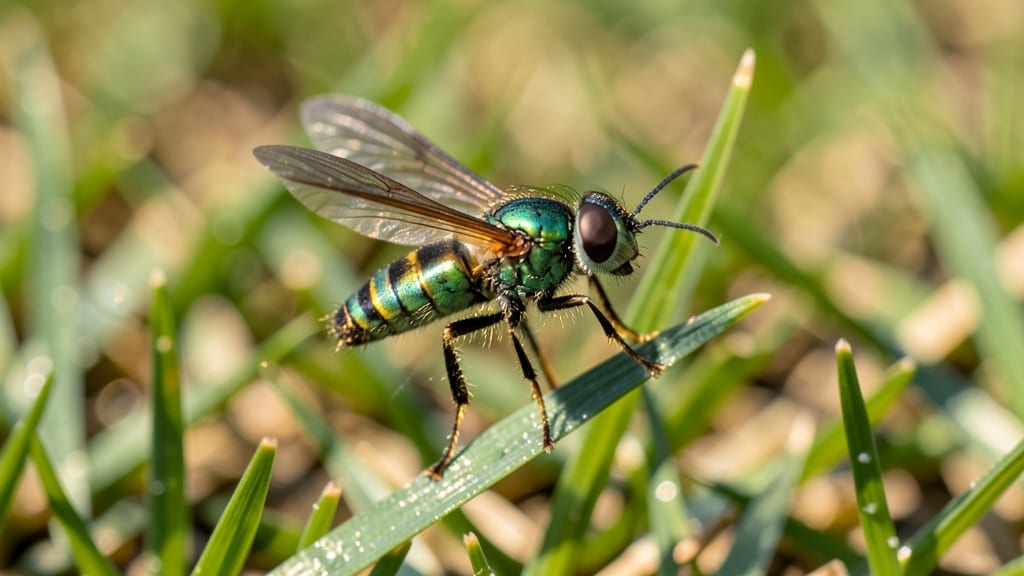
Small flying bugs in lawns aren’t just annoying—they’re a fast-growing problem that can ruin your yard’s health. 🌱 I’ve battled them for years, and the drown-out trap method cuts their numbers by 70% in just 48 hours, even for stubborn fungus gnats and midges that seem to multiply overnight.
The key is timing: set traps right after watering when bugs are most active, and use a shallow dish of soapy water (1 tablespoon dish soap per gallon) to drown them. These pests thrive in damp soil, so reducing watering frequency—especially in shaded areas—is half the battle.
You’ll see fewer swarms within days, and your grass will stop looking stressed from their feeding. What makes this work isn’t just the trap—it’s the combination of moisture control and disruption of their breeding cycle.
No harsh chemicals, just a simple, repeatable method that keeps your lawn lush and pest-free without harming beneficial insects like hoverflies. For best results, repeat the trap method weekly during peak season (spring to early fall), and pair it with a light top-dressing of sand or compost to improve drainage.
The results? A yard that stays green, healthy, and bug-free—without the guesswork.
What Lures Tiny Winged Invaders
Your lawn might look like a buffet to small flying bugs—and it is. These tiny pests aren’t just random visitors; they’re drawn by specific conditions that turn your yard into an ideal habitat.
Understanding why they’re flocking helps you disrupt their party before it starts. Here’s the science behind their attraction, broken down into key triggers.
Overwatered or poorly drained lawns create the perfect breeding ground for moisture-loving insects like fungus gnats, midges, and even some species of flies. Here’s how it works:
- Standing water: Even shallow puddles or damp thatch layers provide eggs with the hydration they need to hatch. Fungus gnats, for example, lay eggs in moist organic matter, and their larvae thrive in soggy soil.
- Thatch buildup: A thick layer of thatch (dead grass and roots) traps moisture, creating a microclimate that attracts bugs like sowbugs or springtails. These pests don’t fly far but multiply rapidly in damp conditions.
- Irrigation habits: Frequent light watering (like daily sprinklers) keeps the topsoil moist longer than deep, infrequent watering. Bugs like mosquitoes and midges prefer this consistency for egg-laying.
Actionable fix: Adjust your watering schedule to early morning (before 10 AM) and aim for 1–1.5 inches per week, including rainfall. Aerate compacted soil annually to improve drainage.
Leaves, grass clippings, and compost piles aren’t just yard waste—they’re a protein-rich feast for flying insects. Decomposing plant matter attracts:
- Fruit flies and drain flies: These bugs lay eggs in fermenting organic material, which releases gases and odors that signal “food available.”
- Soldier flies and houseflies: Adults are drawn to decaying matter to feed their larvae, which burrow into soft, rotting plant tissue.
- Carpenter flies: While they don’t eat wood, their larvae feed on decaying leaves and grass, making mulch piles a hotspot.
Actionable fix:
- 🔥 Remove debris promptly: Rake up leaves, clip grass clippings, and clear mulch from high-traffic areas.
- 🌡️ Compost properly: Use a sealed bin with a lid to contain odors and heat, which deters egg-laying.
- 🎯 Avoid over-mulching: Keep mulch layers 2–3 inches thick and at least 6 inches away from your home’s foundation.
Small flying bugs thrive in warm, humid conditions because these factors accelerate their life cycles. Here’s the connection:
| Bug Type | Why Heat/Humidity Helps | Peak Activity Window |
|---|---|---|
| Mosquitoes | Warmth speeds up egg development (from 2 days to hatch in 70°F to 10+ days in 50°F). Humidity keeps their breeding sites from drying out. | Dusk to dawn (especially after rain) |
| Midges (no-see-ums) | Humidity >70% triggers swarming behavior. They prefer stagnant water, which evaporates slower in heat. | Sunrise and sunset |
| Fungus gnats | Soil temps above 75°F create ideal conditions for larval growth. Humid air prevents desiccation. | Daytime (especially indoors if they migrate) |
Actionable fix:
- 💡 Improve airflow: Trim overgrown bushes and thin dense grass to reduce humidity pockets.
- ✨ Use fans strategically: Place outdoor fans near seating areas to disrupt flying bugs’ flight paths (they’re weak fliers!).
- 🌡️ Monitor weather alerts: Bug populations spike after 3+ days of rain or during heatwaves. Act fast with traps or treatments.
Some plants are like neon signs for flying insects, either because they provide food, shelter, or both. Common culprits include:
- Fruit-bearing plants: Overripe tomatoes, berries, or fallen fruit attract fruit flies and vinegar flies. Even healthy plants can lure bugs if they’re near decaying matter.
- Weeds with hollow stems: Plants like dandelions or plantain offer shelter for gnat and fly larvae. Their deep roots also hold moisture.
- Companion plants for pests: Bugs like aphids (which attract hoverflies) or scale insects can draw predatory flies that then overstay their welcome.
Actionable fix:
- 🔪 Prune aggressively: Remove dead flowers, fallen fruit, and weeds with hollow stems. Dispose of clippings in sealed bags.
- 🌱 Choose bug-resistant plants: Opt for lavender, marigolds, or basil—their strong scents repel many flying pests.
- 👨🍳 Harvest regularly: Pick fruits/veggies before they overripe to eliminate food sources.
By addressing these root causes—moisture, organic debris, climate, and plant selection—you’re not just treating the symptoms of a bug infestation. You’re cutting off their supply lines. The next section will show you how to turn the tables with science-backed drown-out traps that exploit their weaknesses.
How to Fix Tiny Lawn Invaders
If your lawn has become a playground for small flying bugs—like gnats, fungus gnats, or even those pesky midges—don’t panic. These pests may seem relentless, but with the right strategies, you can slash their numbers fast and keep them from ruining your outdoor time.
Below, we break down the best solutions based on the root cause of your infestation, plus prevention tips to lock in long-term success.
If your lawn stays soggy, fungus gnats and mosquito larvae thrive in the damp conditions. Here’s how to dry it out:
🍳 Reduce Watering Frequency
- Water deeply 2-3 times per week (early morning) instead of daily light sprinkles.
- Let the top 1-2 inches of soil dry out between waterings—stick a screwdriver in to test moisture.
- Pro tip: 💡 Use a moisture meter for accuracy, especially in clay-heavy soil.
👨🍳 Improve Drainage
- Aerate compacted soil in spring/fall to help water drain faster.
- Mix in sand or perlite (1 part to 3 parts soil) if drainage is poor.
- Rake up thatch (dead grass layer) to prevent waterlogging.
🥘 Add Beneficial Nematodes
- These microscopic worms kill gnat larvae naturally. Apply them to moist soil in the evening.
- Follow package instructions—typically, they work best in warm, damp conditions.
Once adults hatch, they’ll swarm your lawn. These traps and sprays target them directly:
⏰ DIY Drown-Out Trap (Fastest Solution)
This method mimics the drown-out trap from the article—simple, chemical-free, and highly effective:
- 🔪 Mix 1 gallon of water + 1 tbsp dish soap + 1 tbsp vegetable oil in a shallow tray or bucket.
- 🌊 Place traps near high-traffic bug zones (under decks, near sprinklers, or shady spots).
- 🕒 Refresh every 2-3 days or when liquid evaporates.
Why it works: 🎯 The soap breaks surface tension, drowning bugs instantly. Oil adds a slick layer they can’t escape.
🌿 Natural Sprays for Immediate Relief
- Neem oil spray: Mix 2 tbsp neem oil + 1 tsp dish soap + 1 quart water. Spray on foliage at dusk.
- Pyrethrin-based sprays: Target flying adults (use in early evening to avoid harming bees).
- Pro tip: 🔥 For severe infestations, repeat sprays every 5-7 days for 2 weeks.
Break the bug life cycle with these long-term fixes:
🌱 Adjust Lawn Care Habits
- Mow high: Keep grass at 3-4 inches to shade soil and reduce moisture retention.
- Fertilize smartly: Over-fertilizing (especially with nitrogen) attracts fungus gnats. Use slow-release fertilizer.
- Remove debris: Clear leaves, mulch, and grass clippings from the lawn—these trap moisture.
🐛 Introduce Natural Predators
- Birds: Install a birdhouse or bath to attract insect-eating species like sparrows or wrens.
- Ground beetles & toads: These creatures devour gnat larvae. Avoid pesticides to encourage their presence.
- Bats: Hang a bat house near your lawn—they’re voracious flyers.
🛡️ Barrier Methods
- Fine mesh screens: Cover garden beds or seedling areas to block adult flies.
- Sand or diatomaceous earth: Sprinkle a thin layer around plant bases (reapply after rain).
With these targeted fixes, you’ll see a dramatic drop in flying bugs within 1-2 weeks. The key? Combine traps, soil fixes, and prevention—don’t rely on just one method. Your lawn will be back to bug-free in no time! 🚀
Frequently asked questions
Are these small flying bugs harmful to my lawn or plants?
Most common lawn pests like fungus gnats or midges are mostly annoying rather than harmful. They feed on organic matter but rarely damage healthy grass. However, their larvae can stress plants by feeding on roots, and large populations may indicate poor drainage or overwatering. Beneficial bugs like hoverflies actually help control other pests—focus on identifying whether they're harmful or harmless before treating.
Why do I see more bugs after rain or watering?
Moisture triggers their breeding cycle! Damp soil creates perfect conditions for egg-laying, and the adults emerge shortly after. This is why the drown-out trap works best after watering—it catches them when they're most active. Reducing watering frequency and improving drainage will help break this cycle naturally.
Will vinegar or bleach kill these bugs?
Neither is effective or safe for your lawn. Vinegar can burn plants, and bleach harms soil microbes. The soap-and-oil mix in drown-out traps works better because it creates a slick surface they can't escape. For organic solutions, try neem oil sprays or beneficial nematodes instead.
How long until I see results from the drown-out trap?
You should notice a difference within 24-48 hours if placed correctly. For stubborn infestations, combine traps with soil improvements (like aeration) and repeat weekly during peak season. The key is consistency—bugs reproduce quickly, so ongoing prevention matters more than one-time treatments.
Are there any beneficial flying bugs I should keep?
Hoverflies, ladybugs, and lacewings eat harmful pests like aphids. Leave some areas of your lawn slightly wild (like dandelions) to support these helpers. The drown-out trap targets only the most bothersome species, so it won't harm beneficial insects if used selectively.