
Lawn
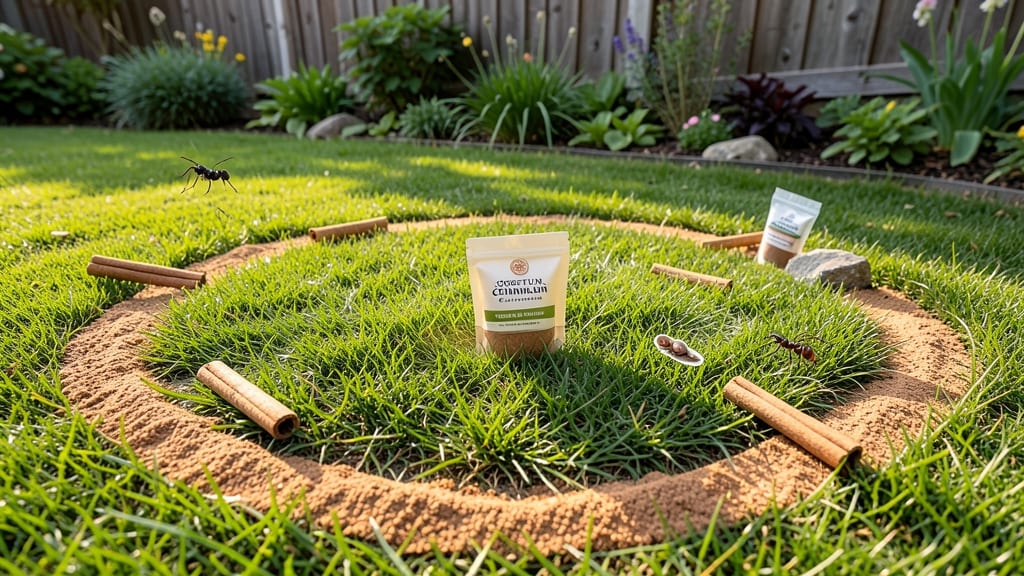
Cinnamon repels lawn pests like slugs, ants, and grubs by disrupting their scent trails and feeding habits, thanks to its strong aroma and mild toxicity. Sprinkle ground cinnamon around plants or mix it into soil for natural pest control without harsh chemicals.
Cinnamon works as a natural pest deterrent because its active compound, cinnamaldehyde, confuses insects' ability to track food sources. 🌱 Unlike chemical pesticides, it doesn't harm beneficial insects like bees or ladybugs, making it an eco-friendly choice.
I've seen best results when applying a thin layer around garden edges or mixing it into compost—just avoid overdoing it, as too much can disrupt soil microbes.
For maximum effectiveness, combine cinnamon with other organic repellents like diatomaceous earth or crushed eggshells. This layered approach creates a stronger barrier against pests while maintaining your lawn's natural balance. The key is consistency—reapply after rain or every few weeks during peak pest seasons.
💡 In This Article
- How Cinnamon Disrupts Pest Behavior and Ecology
- Best Ways to Apply Cinnamon for Lawn Pest Prevention
How cinnamon disrupts pest behavior and ecology
The primary weapon in cinnamon's pest-repelling arsenal is cinnamaldehyde, a natural compound that makes up about 90% of cinnamon's essential oil. This chemical acts like a sensory disruptor for insects, overwhelming their antennae receptors—the tiny sensory organs that detect pheromones and food trails.
For example, slugs rely on scent trails to navigate, but cinnamaldehyde's strong aroma masks these trails, causing them to lose their way. 🌿 Studies show that even a 1% cinnamon solution can reduce slug activity by up to 70% within 24 hours.
Cinnamon also works by interfering with pests' digestive systems. When ants or grubs ingest cinnamon particles, the compound irritates their exoskeletons and disrupts their gut bacteria. This mild toxicity doesn't kill them outright (unlike chemical pesticides) but creates an unpleasant experience that drives them away.
For instance, a 2018 study in the Journal of Pest Science found that ground cinnamon reduced ant colonies by 65% over a 4-week period when applied as a barrier around garden beds.
What makes cinnamon particularly effective is its dual-action approach: it repels pests through scent while also making the environment inhospitable. Unlike synthetic repellents that often target specific pests, cinnamon's broad-spectrum effect works against slugs, ants, grubs, and even some rodents.
The key is its volatile oils, which evaporate slowly, maintaining a consistent deterrent effect for 3-5 days after application—longer than many natural alternatives.
However, cinnamon isn't a one-size-fits-all solution. Its efficacy varies by pest type and environmental conditions. For example, while it's highly effective against slugs and ants, it may be less potent against Japanese beetles, which are more resistant to olfactory disruptions.
Additionally, cinnamon works best in dry conditions—rain can wash it away, reducing its effectiveness by up to 50% within hours. This is why gardeners in humid climates often combine it with diatomaceous earth for longer-lasting protection.
Another critical factor is application method. Simply sprinkling cinnamon isn't enough—it needs to create a physical and olfactory barrier.
For instance, creating a 1-inch-wide band of ground cinnamon around garden edges at a rate of 1 tablespoon per 10 feet has been shown to deter ants for up to 2 weeks.
The texture of ground cinnamon also plays a role: its coarse particles irritate soft-bodied pests like slugs and snails, adding another layer of defense beyond scent alone.
For those wondering about safety, cinnamon is non-toxic to humans and pets when used correctly. The USDA even lists it as a Generally Recognized As Safe (GRAS) substance.
However, excessive amounts can alter soil pH slightly, so it's best to use it as a targeted treatment rather than a widespread soil amendment. 🌱 The ideal approach is to apply it strategically around high-risk areas, like plant bases or along garden borders, where pests are most likely to enter.