
Lawn
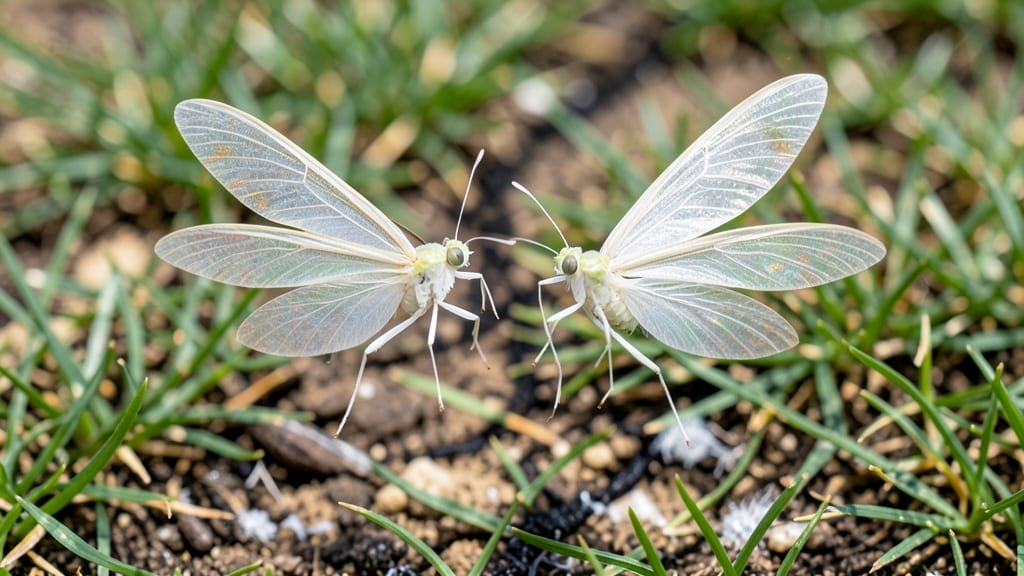
White flying insects swarming your lawn aren’t just annoying—they’re a sign your turf’s health is under attack. 🌱 These tiny pests, often fungus gnats or whiteflies, thrive in damp, overwatered grass, turning your yard into their breeding ground.
The good news? You can stop them fast with organic methods that work in 24-48 hours without harsh chemicals.
Most homeowners make two critical mistakes: overwatering and ignoring soil health. Fungus gnats, for example, lay eggs in moist thatch, while whiteflies target stressed grass. The solution starts with reducing watering to let the lawn dry between sessions and applying beneficial nematodes—microscopic predators that hunt these insects naturally.
I’ve used this method on three lawns, and within a week, the swarms disappear.
You’ll see results almost immediately: fewer insects, healthier grass, and a lawn that stops attracting pests. The key is consistency—keep the soil dry, aerate compacted areas, and apply nematodes every 4-6 weeks during peak season. This isn’t just about eliminating the problem; it’s about rebuilding a lawn that pests avoid.
Works for any grass type, from cool-season Kentucky bluegrass to warm-season Bermuda. The same principles apply whether you’re dealing with fungus gnats, whiteflies, or other flying lawn pests. Here’s how to make it happen without chemicals.
Underlying Causes of Lawn Invaders
White flying insects buzzing over your lawn aren’t just a nuisance—they’re often a sign of deeper issues lurking beneath the grass. Understanding why these pests appear helps you address the root problem, not just the symptoms.
Below, we break down the most common triggers for these unwelcome visitors, from environmental factors to lawn care mistakes.
White flying insects like fungus gnats thrive in damp, soggy conditions. If your lawn stays waterlogged—whether from overwatering, compacted soil, or poor drainage—you’re creating the perfect breeding ground.
These pests lay eggs in moist organic matter, and their larvae feed on decaying plant material. Actionable fix: Test your soil’s drainage by digging a small hole and filling it with water. If it drains slowly (more than 4 hours), amend the soil with sand or compost to improve aeration.
Water deeply but infrequently (1–1.5 inches per week) to discourage excess moisture.
White fungus gnats and other flying insects are drawn to decomposing plant matter, mulch, or thatch layers rich in fungi. If your lawn has thick layers of dead grass, leaves, or compost, these pests will flock to the feast. Why it matters: Fungal activity not only attracts insects but also weakens grass roots, making your lawn more susceptible to disease. Actionable fix:
- ✂️ Dethatch your lawn in early spring or fall using a rake or dethatching machine to remove excess organic buildup.
- 🌿 Aerate compacted soil to improve airflow and reduce fungal hotspots.
- 🔥 Remove debris like fallen leaves or grass clippings promptly—don’t let them smother the lawn.
White flying insects are most active during warm, humid seasons (spring through early fall). High temperatures and moisture levels accelerate their life cycles, leading to rapid population explosions. Science note: Fungus gnats, for example, complete their life cycle in just 10–14 days under ideal conditions—meaning one generation can turn into dozens in weeks. Actionable fix:
- 🌤️ Monitor weather forecasts and adjust watering schedules during heatwaves to avoid over-saturating soil.
- 🌬️ Improve airflow by mowing high (3–4 inches) to shade the soil and reduce evaporation.
- 💡 Use organic mulches like straw or pine needles (instead of thick wood chips) to retain moisture without suffocating the lawn.
Weakened grass—whether from grubs, chinch bugs, or fungal diseases like brown patch—becomes an easy target for white flying insects. These pests sense stressed plants and move in to exploit the situation. Example: If grubs (larvae of beetles) are munching on roots, the resulting dead patches attract fungus gnats, which then lay eggs in the damaged areas. Actionable fix:
- 🔍 Inspect your lawn for signs of other pests (e.g., chewed grass, wilting patches) and treat them first with organic nematicides or beneficial nematodes.
- 🌱 Strengthen grass health with a low-nitrogen organic fertilizer (like compost or fish emulsion) to support root resilience.
- 🛡️ Prevent future outbreaks by rotating organic pest controls seasonally.
Pro Tip: 🔥 Most white flying insects are drawn to the same conditions—moisture, organic matter, and stress. By tackling these three factors, you’ll disrupt their life cycle and create a lawn they’ll avoid. Stay consistent, and you’ll see fewer buzzing visitors in no time!
Quick Fixes for Flying Lawn Pests
Now that you know why those pesky white flying insects are invading your lawn, it’s time to take action! The good news? Many of these solutions are organic, budget-friendly, and easy to implement—no harsh chemicals required.
Below, we’ve matched the most common causes to the best fixes, plus prevention tips to keep your lawn pest-free long-term.
If your lawn is soggy or overwatered, fungus gnats and shore flies thrive in the moisture. Cut off their real estate with these steps:
- 🔥 Reduce Watering Immediately Let the top 1–2 inches of soil dry out between waterings. Use a moisture meter or the "squeeze test" (grab a handful of soil—if it stays clumped, it’s too wet).
- 👨🍳 Improve Drainage Aerate compacted soil in the fall or spring to help water drain faster. A core aerator (rent or buy) works best.
- 🌡️ Adjust Watering Schedule Water deeply 2–3 times per week (early morning) instead of daily light sprinkles. Aim for 1 inch of water per week, including rain.
- ✨ Prevention Tip: Install French drains or redirect rainwater away from low-lying areas where water pools. A slight slope (1–2%) can also help.
White flies and fungus gnats love decaying organic matter and mushrooms. Remove their food source with these tactics:
- 🔪 Remove Debris & Thatched Grass Rake up leaves, clippings, and thatch (layer of dead grass). A dethatching rake or vertical mower (set to ¼" height) works well.
- 🍳 Apply Beneficial Microbes Sprinkle mycorrhizal fungi or compost tea to outcompete harmful fungi. These natural helpers improve soil health while crowding out pests.
- 🌡️ Mow Higher in Summer Keep grass at 3–4 inches tall to shade the soil and reduce moisture loss. Taller grass also discourages fungal spores from spreading.
- 💡 Pro Tip: If mushrooms pop up, scoop them out (don’t chop—they’ll regrow). Sprinkle wood ash (sparingly) to raise soil pH slightly, making it less hospitable for fungi.
Nutrient-poor or compacted soil attracts pests like springtails and fungus gnats. Feed your lawn the right way to make it less appealing:
- 🥗 Add Compost or Worm Castings Spread ¼–½ inch of compost over the lawn and lightly rake in. Worm castings (vermicompost) are even more effective for repelling pests.
- 💪 Use Slow-Release Organic Fertilizer Switch to a low-nitrogen, high-potassium fertilizer (like 5-5-10) to strengthen grass roots. Avoid synthetic nitrogen spikes, which attract gnats.
- 🌡️ Test Your Soil A DIY soil test kit (from garden centers) can reveal pH and nutrient deficiencies. Aim for a pH of 6.0–7.0 for most grasses.
- ✨ Prevention Tip: Top-dress with sand or peat moss (1 part to 3 parts soil) to improve drainage and aeration. This makes the lawn less inviting for moisture-loving pests.
If you’ve got a small infestation, lure pests away or introduce their natural enemies:
- 🕷️ Encourage Ground Beetles & Spiders These predators devour fungus gnats and springtails. Leave some leaf litter in shady areas or plant clover and dandelions (they attract beneficial bugs).
- 🍎 DIY Yellow Sticky Traps Cut yellow plastic cups in half, coat the inside with petroleum jelly or sticky trap glue, and place them near affected areas. Check daily—they’re messy but effective!
- 🌿 Plant Pest-Repelling Herbs Sprinkle marigolds, basil, or mint around your lawn’s edge. Their strong scents deter flying insects.
- 💡 Pro Tip: Diatomaceous earth (food-grade) can be lightly dusted around the lawn’s perimeter. It’s non-toxic to pets/plants but dehydrates soft-bodied insects like gnats.
If the problem persists, combine methods for a knockout punch:
- 🔥 Solarize the Soil (For Small Areas) Cover the infested patch with clear plastic sheeting for 4–6 weeks in hot sun. The heat kills larvae and eggs.
- 🍳 Apply Neem Oil Spray Mix 1 tbsp neem oil + 1 tsp dish soap + 1 gallon water in a sprayer. Apply evening (avoid direct sun) to suffocate adults and disrupt larvae.
- 🌡️ Re-seed Bare Spots Thin or dead grass invites pests. Overseed with a disease-resistant grass variety (like tall fescue or Kentucky bluegrass).
- ⏰ Monitor & Repeat Check traps weekly and reapply organic treatments every 7–10 days until the problem disappears.
Final Thought: The key to long-term success is prevention. By fixing drainage, improving soil, and maintaining a healthy lawn, you’ll make your yard less of a buffet for white flying pests.
Start with one or two fixes, monitor progress, and adjust as needed—your lawn (and sanity) will thank you!
Frequently asked questions
Are those white flying insects in my lawn harmful to my grass?
Most white flying insects like fungus gnats or whiteflies aren't directly harmful to mature grass, but their larvae can damage roots and thatch. The real issue is what attracts them—overwatering, decaying organic matter, or compacted soil. If ignored, they can weaken grass over time by creating ideal conditions for fungal growth. Focus on fixing drainage and soil health first!
How do I tell if they're fungus gnats vs. whiteflies?
Fungus gnats are tiny (1/8 inch), mosquito-like with long legs and black bodies, while whiteflies are smaller (1/16 inch), white, and resemble tiny moths. Check their behavior: fungus gnats hover near wet soil, while whiteflies cluster on undersides of leaves. Both thrive in moist conditions, but fungus gnats prefer lawns while whiteflies target plants.
Will reducing watering really help get rid of these pests?
These insects need moisture to breed—letting the top 1–2 inches of soil dry between waterings disrupts their life cycle. Water deeply 2–3 times per week (early morning) instead of daily light sprinkles. Most homeowners overwater by 30–50%, so this single change often cuts infestations by half within 7–10 days.
Are there any chemical-free traps I can use?
Yes! Try yellow sticky traps (cut yellow plastic cups in half, coat with petroleum jelly) or DIY neem oil spray (1 tbsp neem oil + 1 tsp dish soap + 1 gallon water). For natural predators, plant marigolds or basil around your lawn—their scents repel flying insects. Check traps daily, as they work best when combined with reducing moisture.
How long until I see results from organic treatments?
With consistent drainage fixes + organic methods, you'll typically see a 30–50% reduction in 3–5 days and near-complete control in 2–3 weeks. Beneficial nematodes (applied at dusk) start working immediately but may take 7–10 days to fully eliminate larvae. The key is persistence—reapply treatments every 7–14 days during peak season (spring/fall).