
Neem Oil
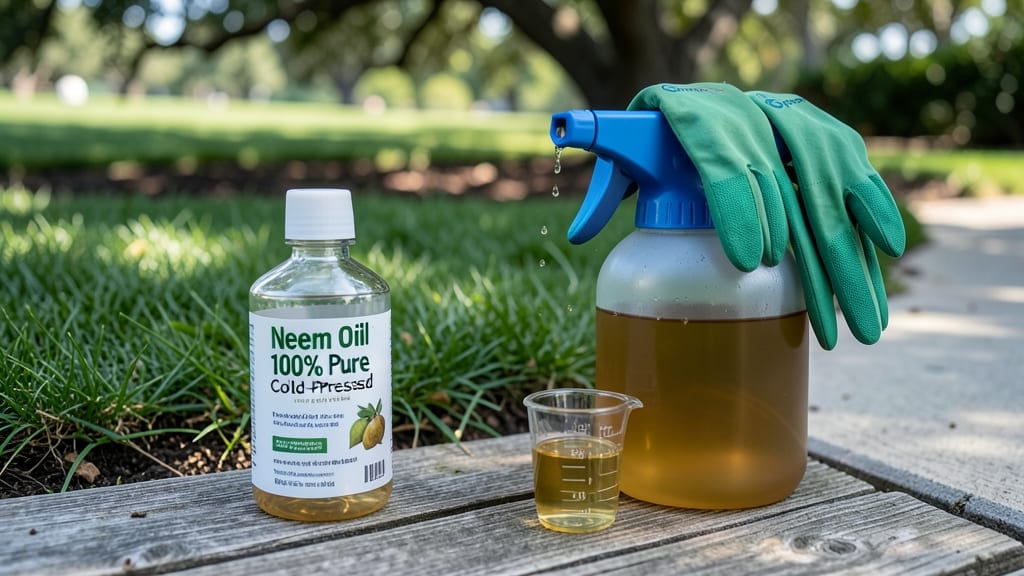
Using neem oil for lawn creates a powerful defense against grubs and fungal blight by interrupting insect development and stopping pathogen spread, offering a chemical-free solution that protects your grass naturally.
This natural pesticide works through its active compound, azadirachtin, which confuses grubs' feeding patterns and prevents them from maturing. 🌱 For fungal issues like brown patch or dollar spot, neem oil disrupts spore formation, giving your lawn a fighting chance without harsh chemicals.
The best time to apply is during cooler parts of the day to avoid burning plants, and I always mix it with a mild soap to help it stick to grass blades.
What sets neem oil apart is its selectivity—it targets pests while leaving beneficial insects like bees and ladybugs unharmed. Many gardeners swear by it because it breaks down naturally in the environment, making it safer for families with pets or children.
Just remember to reapply every 2-4 weeks during active pest seasons for continuous protection.
💡 In This Article
- How Neem Oil Works Against Grubs and Fungal Blight
- Best Application Methods for Neem Oil on Lawns
How neem oil works against grubs and fungal blight
The secret weapon in neem oil is azadirachtin, a natural compound that disrupts grubs' life cycles at the molecular level. When applied, azadirachtin interferes with the insects' ability to feed properly, causing them to stop eating within hours.
This isn't just temporary starvation—it also prevents grubs from molting, meaning they can't grow or reproduce. Studies show azadirachtin concentrations as low as 0.02% can reduce grub populations by 50-70% within two weeks, making it far more effective than many synthetic options.
Against fungal blight, neem oil works through a different mechanism. The oil contains triterpenoids and salannin, compounds that inhibit spore germination and mycelial growth. These disrupt the fungal cell membranes, preventing pathogens like Rhizoctonia solani (brown patch) from spreading.
Unlike chemical fungicides that often leave harmful residues, neem oil breaks down completely within 1-2 weeks, making it safe for organic lawn care. The antifungal properties are particularly effective when applied preventatively before symptoms appear.
What makes neem oil so remarkable is its selective action. Unlike broad-spectrum pesticides that kill everything indiscriminately, azadirachtin specifically targets pests while leaving beneficial insects like bees, ladybugs, and earthworms unharmed. This selectivity is crucial for maintaining a healthy lawn ecosystem.
Even at high concentrations, neem oil won't harm earthworms—these soil aerators actually help distribute the oil deeper into the root zone, enhancing its effectiveness against grubs lurking below the surface.
For fungal control, timing is everything. Neem oil works best when applied before spores have a chance to germinate. The oil creates a protective film on grass blades that blocks fungal spores from attaching.
This is why early morning applications work so well—the cooler temperatures and lower UV exposure prevent rapid breakdown of the oil's active compounds. During hot afternoons, neem oil can degrade 30-50% faster due to sunlight, reducing its efficacy.
Here's what happens at the microscopic level: When grubs ingest azadirachtin, it binds to their ecdysone receptors, hormones that regulate growth and molting. This creates a hormonal imbalance that prevents them from shedding their exoskeletons properly. The result?
Grubs become trapped in their old skins and eventually die from starvation and dehydration. This process takes about 7-10 days to complete, which is why consistent applications every 2-4 weeks are recommended during peak grub season (late spring to early summer).
The antifungal action is equally precise. Neem oil disrupts the ergosterol biosynthesis pathway in fungal cells—this is the same pathway targeted by many prescription antifungal medications. By blocking this pathway, neem oil prevents fungal cells from maintaining their cell membranes, leading to cell death.
The oil also contains nimbin, which has strong anti-inflammatory properties that help reduce the stress response in plants under fungal attack.
What most gardeners don't realize is that neem oil's effectiveness against grubs comes from its repellent properties as much as its lethal effects. The strong, bitter odor of neem oil acts as a natural deterrent, making grubs avoid treated areas entirely.
This dual-action approach—both repelling and killing—is why neem oil often provides better long-term control than synthetic pesticides that only target existing pests. 🌱