
Lawn
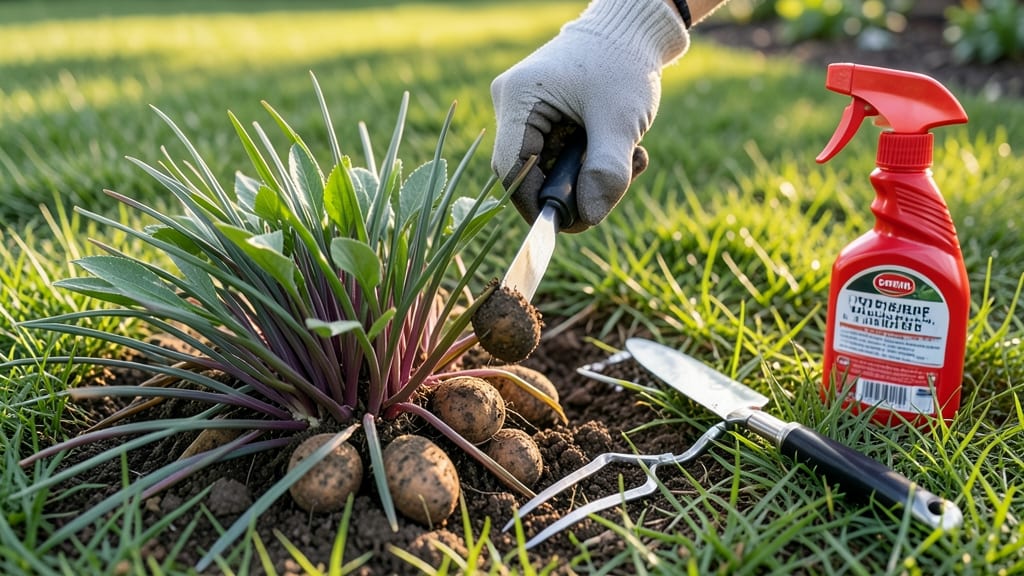
Pulling scutch grass by hand feels like wrestling with a stubborn opponent—until you learn the right technique. 🌱 I’ve spent years battling this weed in lawns, and I’ve finally cracked the code for removing it without wrecking your knees or your grass.
The key is timing, leverage, and a little persistence. This grass thrives in moist soil and spreads aggressively, but you can outsmart it. We’ll cover when to pull (early morning or after rain), how to use a weeding tool for maximum leverage, and why pre-emergent herbicides work best in spring.
The goal? A lawn free of those pesky triangular stems without resorting to harsh chemicals. By the end, you’ll spot scutch grass before it takes over and yank it out cleanly—no more digging up chunks of lawn in the process.
Your grass will thank you with thicker growth, and your back will thank you for avoiding the aches of brute force. For stubborn patches, we’ll also discuss organic alternatives like corn gluten meal and vinegar sprays, plus how to adjust your watering routine to starve out future regrowth.
Let’s get this weed under control for good.
The Hidden Triggers Behind Grass Invaders
Scutch grass—also known as nutgrass or cyperus rotundus—isn’t just a random lawn nuisance. This tenacious weed thrives because of specific conditions that give it the upper hand over your grass.
Understanding these triggers is the first step to reclaiming your yard without resorting to brute force or toxic chemicals. Let’s break down the science behind why scutch grass keeps showing up, so you can outsmart it.
Scutch grass loves wet conditions—think of it as the swamp weed of your lawn. Unlike most grasses, it thrives in waterlogged or overly moist soil, which is why it often takes over after heavy rains, poor drainage, or overzealous watering. Here’s why:
- Oxygen Deprivation: Compacted or clay-heavy soil traps water, suffocating grass roots while scutch grass’s shallow, fibrous roots thrive in low-oxygen environments.
- Seed Germination Boost: Nutgrass seeds need moisture to sprout, and once established, the plant sends out tubers (underground stems) that store water and nutrients—perfect for surviving droughts and floods.
- Fungal Favor: Waterlogged soil encourages fungal growth, which scutch grass resists while many lawn grasses succumb, giving it a competitive edge.
Actionable Fix: Test your soil’s drainage (dig a 12-inch hole—if water pools after 6 hours, you’ve got a problem). Amend with sand or compost to improve aeration, and water deeply but infrequently (early morning is best) to discourage tubers from forming.
When your lawn grass wilts under summer heat or drought, scutch grass sees an opportunity. This weed is a drought-tolerant survivor, while many cool-season grasses (like Kentucky bluegrass) struggle in high temperatures. Here’s the biology:
- Shallow but Efficient Roots: Scutch grass develops a dense mat of roots just beneath the surface, allowing it to soak up moisture quickly during brief rain showers.
- Photosynthesis on Overdrive: Its broad, flat leaves absorb sunlight aggressively, outcompeting stressed grass for energy.
- Dormancy Trick: When conditions get harsh, scutch grass can go dormant and revive when moisture returns—unlike many grasses that die back permanently.
Actionable Fix: If your lawn is heat-sensitive, switch to drought-resistant grasses (like Bermuda or Zoysia) or overseed with deep-rooted varieties in early fall. Mulch to retain soil moisture, and avoid heavy foot traffic during droughts to prevent soil compaction.
Scutch grass latches onto disruption. Whether it’s from construction, foot traffic, or even aggressive mowing, disturbed soil creates the perfect entry point for its tubers and seeds. Here’s how it exploits chaos:
- Tuber Propagation: A single scutch grass tuber can fragment into dozens of pieces when tilled or dug up, each capable of growing into a new plant.
- Seed Bank Activation: Nutgrass seeds can lie dormant for decades in the soil. Disturbing the top 2–3 inches of soil triggers germination.
- Competition Gap: When grass is thin or dead, scutch grass fills the void rapidly, its aggressive growth habit letting it choke out slower competitors.
Actionable Fix: Avoid tilling or aerating without first treating for scutch grass. If you must disturb soil, solarize it first (cover with clear plastic for 4–6 weeks in summer to kill tubers). For bare spots, patch with sod or seed instead of topsoil to prevent tubers from hitchhiking in.
Scutch grass doesn’t just tolerate poor soil—it prefers it. While it can survive in nutrient-poor conditions, it explodes when lawns are over-fertilized with high-nitrogen, low-potassium mixes. Here’s why:
| Nutrient Issue | How Scutch Grass Wins |
|---|---|
| Excess Nitrogen | Promotes leafy growth in grass but also fuels scutch grass’s rapid spread. Weeds like nutgrass outgrow grass in high-nitrogen soil. |
| Low Potassium | Weakens grass root systems, making them vulnerable to drought and disease—while scutch grass’s tubers store potassium efficiently. |
| High Phosphorus | Encourages weed seed germination, including nutgrass, by signaling the soil is "ready" for fast-growing plants. |
Actionable Fix: Shift to a balanced fertilizer (look for NPK ratios like 16-4-8 or 10-10-10) and avoid "quick-green" lawn products high in nitrogen. Soil test annually to adjust pH (scutch grass prefers slightly acidic to neutral soil, pH 6.0–7.0).
When your lawn’s health declines due to grubs, chinch bugs, or fungal diseases, scutch grass moves in like a squatter. Here’s the connection:
- Grub Damage: White grubs munch on grass roots, creating bare patches where scutch grass seeds immediately take hold.
- Chinch Bugs: These pests suck sap from grass blades, weakening the lawn and leaving it susceptible to weed invasion.
- Fungal Attacks (e.g., Brown Patch): Diseased grass dies back, leaving gaps that scutch grass colonizes within weeks.
Actionable Fix: Treat for grubs and pests preventatively (apply beneficial nematodes or milky spore in early spring). For fungal issues, improve airflow by mowing high (3–4 inches) and avoid overhead watering in the evening. Resistant grass varieties (like tall fescue) can help.
Precision Tactics to Banish Stubborn Grass
If scutch grass (or Cynodon dactylon) has taken root in your lawn, don’t let it spread like a stubborn rumor—act fast with targeted, low-effort solutions. Below, we map the most common causes to the most effective fixes, plus prevention tips to keep your lawn lush and weed-free long-term.
Scutch grass thrives where grass struggles—think thin patches, compacted soil, or shady spots. The fix? Give your lawn room to breathe.
🍳 Step 1: Aerate Like a Pro
- Why? Compacted soil suffocates grass roots, leaving gaps for scutch grass to invade.
- How?
- Rent a core aerator (or hire a pro) to pull small soil plugs, ~2–3 inches deep.
- Do this in spring or fall when grass is actively growing.
- Water deeply 2 days before and after for best results.
👨🍳 Step 2: Overseed the Bare Spots
- Why? Thick grass crowds out weeds naturally.
- How?
- Choose a drought-tolerant grass (like tall fescue or Bermuda) matched to your climate.
- Spread seed evenly over aerated areas, then lightly rake.
- Keep soil moist for 2–3 weeks until new grass sprouts.
✨ Pro Tip:
Use a slit seeder for precision—it cuts through thatch without scalping your lawn. Bonus: Add a starter fertilizer to help seeds germinate faster.
Scutch grass loves moisture—too much or too little water creates the perfect breeding ground. Fix your irrigation habits now.
💡 Step 1: Deep Water, Less Often
- Why? Shallow watering encourages scutch grass to spread at the surface.
- How?
- Water deeply 2–3 times per week (1–1.5 inches per session).
- Use a soaker hose or smart sprinkler to avoid runoff.
- Morning watering (before 10 AM) reduces fungal risks.
🎯 Step 2: Check for Leaks or Overwatering
- Why? Dripping sprinklers or soggy spots create scutch grass hotspots.
- How?
- Walk your lawn after watering—look for puddles or uneven wetness.
- Adjust sprinkler heads to avoid overspray on sidewalks or driveways.
🔥 Pro Tip:
Install a rain sensor on your sprinkler system to pause watering during wet weather. Savings: Less water = fewer weeds + lower bills!
For stubborn patches, herbicides can be a game-changer—but use them strategically to avoid harming your lawn.
🍎 Step 1: Spot-Treat with Selective Herbicides
- Best options:
- Triclopyr-based products (e.g., Ortho GroundClear) – Kills scutch grass without damaging most turfgrasses.
- Glyphosate (e.g., Roundup) – Only for non-lawn areas (driveways, sidewalks). Wait 7–10 days before reseeding.
- How to apply:
- Spray on a dry, wind-free day (early morning is best).
- Follow label rates—more isn’t better!
⏰ Step 2: Timing Is Everything
- Best time to treat: Late spring or early summer when scutch grass is actively growing.
- Avoid treating in drought—herbicides work best when weeds are hydrated.
💡 Pro Tip:
Mix corn gluten meal (a natural pre-emergent) with your herbicide for a two-pronged attack. Why? It smothers new weed seeds while the herbicide kills existing ones.
Stop scutch grass before it starts with these low-maintenance habits.
📊 Step 1: Mow High and Smart
- Why? Taller grass (3–4 inches) shades out weeds.
- How?
- Set your mower to the highest setting for your grass type.
- Never remove more than ⅓ of the blade in one mowing.
💪 Step 2: Feed Your Lawn Right
- Test your soil (DIY kits from garden centers work) and amend with:
- Nitrogen (for green, dense growth).
- Iron (for weak, yellowing grass).
- Avoid over-fertilizing—too much nitrogen = soft grass = weed magnet.
✨ Pro Tip:
Drop wildflower seeds in sunny, low-traffic areas. Native flowers like clover crowd out weeds while supporting pollinators! Win-win.
With these targeted fixes, you’ll send scutch grass packing—without the backache. Start with one method this week, then layer in prevention for a lawn that stays lush and weed-free.
Frequently asked questions
How can I tell if those triangular weeds are actually scutch grass?
Look for triangular stems (like a three-sided pencil) and flat, grass-like leaves growing in clumps. Scutch grass also forms tubers underground—if you dig up a patch, you’ll find small, potato-like roots. Unlike crabgrass, it doesn’t spread in all directions but forms dense clusters.
Will vinegar kill scutch grass without harming my lawn?
Vinegar works best as a spot treatment for small patches, but it’s not lawn-safe—it’ll kill grass too. For targeted areas, use 3% white vinegar + dish soap in a spray bottle. Apply on a dry day, and repeat weekly until the weeds die. For lawns, opt for selective herbicides like triclopyr instead.
Why does scutch grass keep coming back after I pull it?
Those stubborn tubers are the culprit! Even tiny fragments left in the soil can regrow. Always dig 2–3 inches deep to remove the entire root system. For severe infestations, solarize the area (cover with clear plastic for 4–6 weeks) to kill remaining tubers before reseeding.
Can I prevent scutch grass by adjusting my watering schedule?
Scutch grass thrives in wet conditions, so water deeply but infrequently—1–1.5 inches per week is ideal. Water early in the morning to reduce fungal risks, and avoid overhead sprinklers that create soggy spots. Fix drainage issues too—poor drainage is a scutch grass magnet.
What’s the best time of year to treat scutch grass?
Late spring to early summer is prime time! That’s when scutch grass is actively growing and most vulnerable to herbicides. Avoid treating in drought—weeds need moisture to absorb chemicals effectively. For organic control, apply corn gluten meal in early spring to prevent new weeds from sprouting.