
Lawn
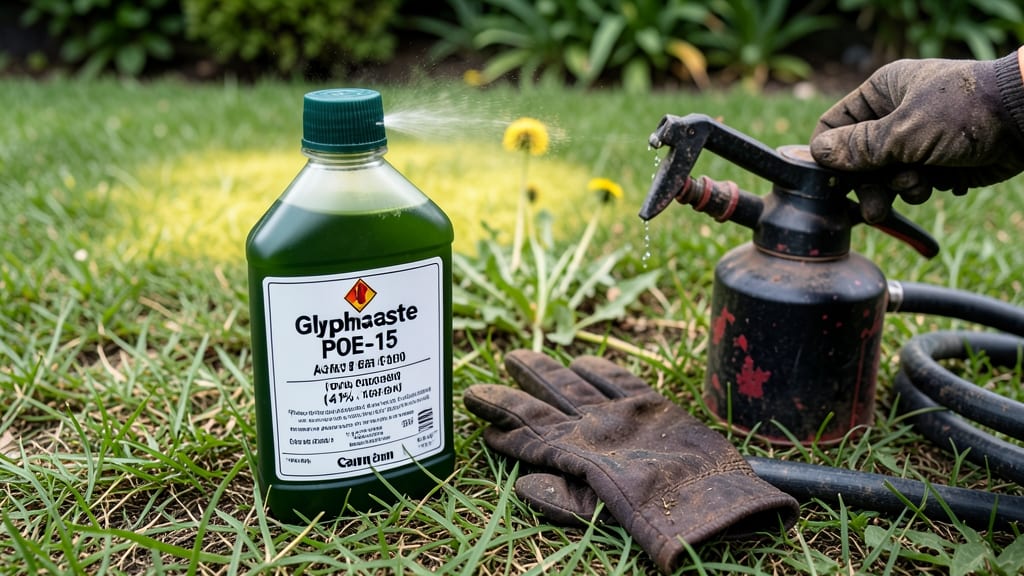
Glyphosate—the active ingredient in Roundup—works by disrupting a pathway in weeds that healthy lawn grass lacks. 🌱 Understanding its chemistry helps you use it effectively without harming your turf, and knowing the alternatives means you can choose what’s right for your yard’s health.
The key lies in proper application timing and targeted use.
Roundup’s active ingredient, glyphosate, is a systemic herbicide that moves through plant tissues, killing weeds from root to leaf. When applied correctly, it leaves grass unharmed because it targets a metabolic pathway found only in broadleaf plants—not monocots like grass. However, misapplication can damage desirable plants, so precision matters.
For organic gardeners, alternatives like vinegar-based sprays or corn gluten meal offer natural weed control without glyphosate’s risks. These methods require patience and repeated applications but align with chemical-free lawn care goals. The trade-off? They’re less potent for deep-rooted weeds like dandelions.
Whether you choose glyphosate or organic solutions, proper timing and technique ensure your lawn stays lush while weeds stay suppressed. Always follow label instructions, and consider spot-treating weeds to minimize exposure to surrounding plants.
📚 In This Guide
- What you need
- Instructions
- Tips and common mistakes
- Wrapping up and next steps
What you need
- ● Roundup for Lawns Herbicide: 1 gallon (or larger, depending on lawn size) – Check the label for active ingredients (e.g., glyphosate, 41% concentration).
- ● Protective Gear: Long-sleeved shirt and long pants (cover as much skin as possible)
- ● Chemical-resistant gloves (e.g., nitrile or neoprene)
- ● Closed-toe shoes or boots
- ● Safety goggles (to shield eyes from spray drift)
- ● Application Equipment: Spray tank (2–5 gallons, depending on coverage area)
- ● Hose with a spray nozzle (adjustable for even distribution)
- ○ Optional: Backpack sprayer (for larger lawns or hard-to-reach areas)
- ● Measuring Tools: Measuring cup or graduated container (for precise herbicide mixing)
- ● Lawn area calculator (to determine coverage rate)
- ● Cleanup Supplies: Rags or paper towels (for spills)
- ● Disposable gloves (for post-application cleanup)
- ● Bucket of water (for rinsing tools)
- ● ✅ Weather Check: Apply on a calm, dry day with no rain forecast for at least 24–48 hours.
- ● ✅ Lawn Prep: Clear debris (leaves, rocks, toys) from the treatment area.
- ● ✅ Label Review: Read the Roundup for lawns label thoroughly—note active ingredients, mixing ratios, and safety warnings.
- ● ✅ Personal Prep: Avoid eating, drinking, or smoking while handling the herbicide.
- ● ✅ Pet & Kid Safety: Keep children and pets indoors or in a separate area until the lawn is dry.
Understanding Roundup's core components: glyphosate breakdown and application safety
Here's how to identify, apply, and handle glyphosate-based herbicides safely in your lawn care routine.
🔍 Step 1: Identify Glyphosate Concentration in Your Product
Check the product label for the percentage of glyphosate—common formulations range from 36% to 41% for concentrated versions. This tells you how potent the herbicide is before dilution. For example, a 41% glyphosate formulation means 41% of the liquid is active ingredient by weight, while the rest is surfactant and water.
Never assume all "Roundup" products have identical concentrations—some targeted weed killers use lower concentrations (10-20%) for spot treatments. The label will specify the active ingredient percentage near the top, often in bold. If you're unsure, contact the manufacturer—they'll provide exact formulation details for your specific product line.
🧪 Step 2: Understand Glyphosate's Mechanism and Soil Behavior
Glyphosate works by inhibiting a specific plant enzyme (EPSP synthase) that's absent in animals—this is why it's considered selective. However, it doesn't break down quickly in soil. In ideal conditions (60-85°F and moist soil), glyphosate degrades in 2-6 weeks, but cooler temperatures or dry conditions can extend this to 6 months or longer.
This persistence is why you should never apply glyphosate before planting new grass—wait at least 4-6 weeks after application before seeding. For existing lawns, apply when temperatures are above 50°F and expect 0.5-1 inch of rain within 24 hours to activate the herbicide and prevent runoff.
⚠️ Step 3: Prepare for Safe Application
Gather protective gear (long sleeves, gloves, eye protection) and calibrated spray equipment—never use household spray bottles for glyphosate. Mix only what you'll use immediately in a plastic or metal container (never glass). The mixing ratio is typically 2-4 oz of concentrate per gallon of water, but always follow the label's specific instructions for your product's concentration.
Apply on a calm day when winds are below 5 mph to prevent drift. Use a shielded spray nozzle to direct the solution downward, avoiding overspray. Mark treated areas with flags or stakes—glyphosate can persist long enough that you might forget which spots were treated.
🌱 Step 4: Monitor and Retreat as Needed
Weeds should begin wilting in 1-3 days after application, with full browning in 7-21 days. If you see only partial control after 3 weeks, the weeds may be resistant or the application was insufficient. In that case, retreat following the 14-day reapplication interval specified on the label.
Watch for new weed growth at the edges of treated areas—this often indicates residual glyphosate wasn't enough to cover the entire root zone. For stubborn broadleaf weeds, consider a follow-up with a selective herbicide after the glyphosate has fully degraded. Always dispose of leftover solution properly—never pour it down drains or onto soil.
Tips & tricks for safe glyphosate application
Working with glyphosate requires precision—here's how to maximize effectiveness while minimizing risks.
Label Reading is Non-Negotiable: The 36% to 41% concentration range for standard formulations means you're handling potent herbicide. Always verify your product's exact percentage before mixing—this determines your dilution ratio. I've seen people use the wrong concentration and either waste product or under-treat weeds. When in doubt, call the manufacturer for clarification. This step prevents costly mistakes and ensures proper coverage.
Environmental Conditions Matter: Glyphosate's effectiveness hinges on temperature and moisture. The 60-85°F range is ideal for activation, but cooler temperatures slow down degradation significantly. If you're applying in spring or fall, consider using a surfactant booster (check your product's label) to enhance absorption. The 0.5-1 inch of rain requirement within 24 hours isn't just about activation—it also helps move the herbicide into the soil where it can reach weed roots.
Application Technique Prevents Waste: That 2-4 oz per gallon mixing ratio is your baseline, but proper application technique makes all the difference. Use a shielded nozzle and maintain 12-18 inches distance from weeds for even coverage. I've found that walking in a grid pattern (like mowing) ensures no spots are missed. Mark treated areas immediately—glyphosate's persistence means you might forget where you applied it, potentially harming new plantings later.
Monitoring After Application: The 1-3 days for initial wilting and 7-21 days for full browning are your benchmarks, but watch for resistance signs. If you see only partial control after 3 weeks, it's not necessarily failure—some weeds need more time. However, if you notice new growth at edges, you likely missed part of the root zone. In this case, spot-treat those areas with a selective herbicide after glyphosate has fully degraded (typically 6 months in ideal conditions).
Pro Tips for Roundup For Lawns Active Ingredients
- Working with glyphosate requires precision—here's how to maximize effectiveness while minimizing risks.
- Label Reading is Non-Negotiable: The 36% to 41% concentration range for standard formulations means you're handling p...
- Environmental Conditions Matter: Glyphosate's effectiveness hinges on temperature and moisture. The 60-85°F range is ...
Frequently asked questions
What’s the main active ingredient in Roundup, and how does it work?
Most Roundup formulations contain glyphosate as the key active ingredient. Glyphosate disrupts a specific enzyme in plants, blocking their ability to produce essential proteins. This causes weeds and grasses to stop growing and eventually die—without harming the roots of established lawn grass (when applied correctly).
How long does it take for Roundup to kill weeds after application?
Timing varies by weed type, weather, and product concentration, but you’ll typically see results in 3 to 7 days. Most weeds will wilt and brown within a week, though stubborn varieties (like nutsedge) may take up to 10–14 days. Avoid mowing for 2–3 days post-application to let the herbicide fully absorb.
Is Roundup safe to use around pets and kids after it dries?
While glyphosate is low in acute toxicity, it’s best to keep pets and children off treated areas for 24–48 hours (or until the label’s recommended wait time). Once dry, residues are minimal, but accidental ingestion (e.g., licking grass) should be avoided. Opt for pet-safe alternatives if you have curious pups or toddlers.
Can I use Roundup on my entire lawn, or just spot-treat weeds?
Roundup is designed for spot treatment of broadleaf weeds and grasses (like crabgrass or dandelions). Spraying the entire lawn risks killing desirable grass and can disrupt soil microbes. For large infestations, use a shield or cardboard to protect grass edges. Pre-emergent herbicides are better for full-lawn weed prevention.
What should I do if Roundup doesn’t work on my weeds?
If weeds persist after application, check these fixes:
- Reapply if rain or irrigation washed it off (wait 24 hours after watering).
- Use a higher-concentration formula (e.g., Roundup Poison Ivy & Tough Brush Killer) for tough weeds.
- Try a vinegar-based herbicide for organic control (though it’s less effective on deep roots).
- Ensure direct contact—missed spots won’t die!
For perennial weeds (like clover), repeat applications every 7–10 days may be needed.
Pro Tip: Always read the label for your specific product—mix rates, weather conditions, and reapplication intervals vary!
Wrapping up and next steps
Choosing the right Roundup for lawns with the proper active ingredients—like glyphosate or alternatives—can transform your outdoor space into a lush, healthy haven. 🌱 Whether you prioritize effectiveness, safety, or eco-friendliness, understanding these ingredients empowers you to make informed decisions.
Now that you’re equipped with the knowledge, take action—assess your lawn’s needs, pick the best product, and maintain it with confidence!
Ready to get started? Grab your gloves, review safety tips, and give your lawn the care it deserves!