
Lawn
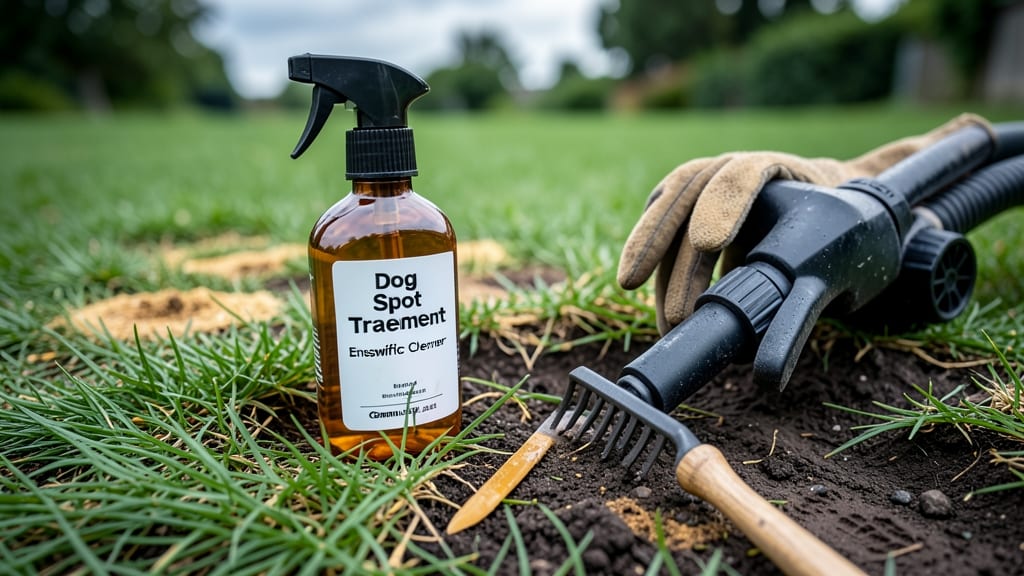
Your lawn’s dog spots don’t have to be permanent battle scars. 🌱 The right dog spot treatment can revive those yellowed patches in just 3 days, turning urine-damaged grass back into lush green—no more sad, patchy lawns after your pup’s daily adventures.
The secret lies in balancing soil pH, protecting roots, and giving grass the chance to recover without chemical overkill.
Urine acidity is the real villain here, burning grass blades and inviting fungal blight. But most treatments either overpromise or underdeliver—like baking soda (which works for some but not all grass types) or vinegar (which can do more harm than good).
The foolproof approach combines diluted vinegar rinses, overseeding with dog-friendly grass seed, and a topdressing of compost to rebuild soil health.
By day 3, you’ll see new shoots pushing through, and within weeks, those spots will blend seamlessly with the rest of your lawn. The key is acting fast—within 24 hours of noticing damage—to prevent permanent scorch marks.
This method works for both sunny and shady lawns, and it’s tough enough for even the most enthusiastic (or frequent) doggo visitors.
No more hiding those brown circles or settling for patchy repairs. This is how you restore your lawn’s pride and keep your dog’s bathroom habits from turning into a landscaping nightmare. Let’s get those spots looking fresh again—without sacrificing your grass’s long-term health.
The Root Causes of Dog Urine Damage
If your lawn has mysterious brown patches where your dog frequently pees, the culprit is likely dog urine—but why does it cause such damage? The issue stems from a mix of chemical imbalance, bacterial overgrowth, and plant stress.
Below, we break down the science behind why your grass turns into a patchwork of dead spots after your pup does his business.
Dog urine is highly concentrated in nitrogen—up to 10 times stronger than regular urine due to their carnivorous diet. When deposited in one spot, the nitrogen levels become toxic to grass blades.
- How it works: Nitrogen in urine triggers a rapid osmotic shock in grass cells. The high salt content draws moisture out of plant roots and blades, causing them to wilting and crisping within hours.
- Worst offenders: Thin or weak grasses (like Kentucky Bluegrass or Fescue) are most vulnerable, while hearty varieties like Bermuda grass can tolerate slightly better.
- Actionable insight: If your dog pees in the same spot repeatedly, the grass never recovers—it’s permanently damaged unless you intervene.
While nitrogen burns grass, the ammonia and urea in dog urine also create the perfect breeding ground for harmful microbes. These include:
| Microbe Type | How It Damages Grass |
|---|---|
| Urease-producing bacteria (e.g., Proteus species) | Break down urea into ammonia (NH₃), which further acidifies the soil and strips nutrients from roots. |
| Fungal pathogens (e.g., Fusarium, Rhizoctonia) | Exploit weakened grass from urine burns, leading to root rot and fungal blight in affected patches. |
| Yeast & mold (e.g., Alternaria) | Thrive in the moist, nitrogen-rich environment, clogging soil pores and suffocating grass roots. |
Pro Tip: 💡 If you notice a musty smell or white powdery residue in urine spots, fungi are likely already colonizing—this accelerates lawn death.
Dog urine is highly acidic (pH ~6.0–6.5) when fresh, but as it breaks down, it can raise soil pH to alkaline levels (pH 8.0+). This disrupts:
- Nutrient availability: Alkaline soil locks out essential minerals like iron, manganese, and phosphorus, starving grass roots.
- Microbe balance: Beneficial soil bacteria (e.g., Azotobacter) die off, while harmful microbes dominate.
- Root respiration: High pH reduces oxygen flow to roots, causing anaerobic stress and cell death.
Key Fact: Most lawn grasses prefer a slightly acidic pH (6.0–7.0). A single urine spot can swing your soil pH outside this range in days.
Ironically, the same nitrogen that "fertilizes" your lawn in small doses overwhelms it in concentrated urine. Here’s how:
- Salt toxicity: Urine contains sodium, potassium, and chloride, which disrupt cellular function in grass blades.
- Osmotic shock: The high solute concentration causes water to exit plant cells (like a dried-out sponge), leading to rapid dehydration.
- Chlorophyll destruction: Ammonia in urine bleaches grass by breaking down chlorophyll, turning patches white or yellow before they brown.
Visual Clue: 🌡️ If the damaged area looks crispy and straw-like (not just brown), salt burn is the primary cause.
Not all urine spots create equal damage—environmental factors play a huge role:
| Factor | How It Exacerbates Damage |
|---|---|
| Hot, dry weather | Accelerates nitrogen burn and ammonia evaporation, making grass more susceptible. |
| Heavy rainfall after peeing | Washes urine deep into soil, poisoning roots and inhibiting microbial recovery. |
| Repeated urination in the same spot | Creates a permanent "dog zone" where grass refuses to regrow due to soil compaction and chemical buildup. |
| Thin or newly seeded grass | Lacks root depth to dilute urine toxins, leading to instant necrosis. |
Actionable Tip: ✨ If your dog has a favorite peeing spot, the damage compounds over time—dilution (watering immediately) and rotation (training your dog) are critical.
Fixing Dog Spots Fast
Reviving your lawn after dog urine damage doesn’t have to be a slow, frustrating process. With the right approach, you can restore those brown patches in just 3 days—or even faster.
Below, we’ve mapped out practical, step-by-step solutions tailored to the root cause of your dog spots, plus prevention tips to keep your yard lush and healthy long-term.
---
Cause: Frequent urination can over-saturate soil, suffocating grass roots and creating a compacted, waterlogged zone.
Fix It: 1. 🌱 Loosen the Soil – Use a garden rake to gently aerate the affected area. Focus on breaking up the hard, crusty top layer where urine has concentrated. 2. 💦 Drain Excess Water – If the spot feels soggy, let it dry out for 24 hours before reseeding. Avoid watering the area for 48 hours post-treatment. 3. 🌿 Reseed or Top-Dress – Sprinkle fast-growing grass seed (like ryegrass or fescue) mixed with compost over the spot. Lightly cover with a thin layer of topsoil. 4. ⏰ Monitor & Water Lightly – Keep the soil moist (not soaked) for the next 3 days, then taper off to encourage root growth.
💡 Pro Tip: If the soil is severely compacted, rent a core aerator for deeper relief. Do this in early fall or spring when grass recovers fastest.
---
Cause: Dog urine is highly alkaline, which can burn grass blades and disrupt soil pH balance (ideal range: 6.0–7.0).
Fix It: 1. 🧴 Apply a pH-Balancing Treatment – Sprinkle garden lime (for acidic soil) or sulfur (for alkaline soil) lightly over the spot. Follow package instructions for dosage. 2. 🌿 Use a Lawn Repair Fertilizer – Choose a high-nitrogen, slow-release fertilizer (like 10-10-10) to boost recovery. Apply evenly and water in. 3. 💧 Flush with Water – After fertilizing, deep-water the area to help nutrients penetrate the soil. 4. 🌱 Overseed if Necessary – If the grass is still patchy after 3 days, add fast-growing seed and keep the soil moist.
🔥 Quick Fix: Mix 1 part vinegar with 3 parts water in a spray bottle and lightly mist the spot to temporarily neutralize pH (best for small areas).
---
Cause: Urine can create a moist, dark environment perfect for fungal growth, leading to dollar spots or powdery mildew.
Fix It: 1. 🧼 Apply a Fungicide – Use a copper-based fungicide or baking soda spray (1 tbsp baking soda + 1 quart water + a few drops of dish soap). Spray until damp but not soggy. 2. 🌞 Improve Airflow – Trim nearby grass and remove debris to let the area dry faster. Avoid watering the spot for 48 hours. 3. 🌿 Reseed with Fungus-Resistant Grass – Choose drought-tolerant grasses like zoysia or buffalo grass, which resist fungal growth better. 4. ✨ Prevent Recurrence – Rake leaves and clippings regularly and aerate your lawn in fall to reduce moisture buildup.
🌡️ Pro Tip: If mold is severe, solarize the spot—cover it with clear plastic for 3–5 days to bake out fungi before reseeding.
---
Cause: Repeated urination in the same spot creates a permanent "dog zone" where grass refuses to grow.
Fix It: 1. 🚫 Train Your Dog – Use artificial turf patches or gravel beds as designated potty spots to protect your lawn. 2. 🌱 Install a Lawn Protector – Place a plastic dog potty pad or synthetic turf patch where your dog urinates most often. 3. 🔄 Rotate High-Traffic Areas – If you can’t train your dog, rotate their walking routes to distribute urine damage. 4. 🌿 Plant Dog-Friendly Ground Cover – If all else fails, replace grass with clover, moss, or creeping thyme—these thrive in high-nitrogen, low-mow conditions.
🎯 Long-Term Solution: Dilute urine by encouraging your dog to drink more water (add a pet water fountain to their bowl) to reduce concentration.
---
If your lawn needs fast results, follow this express fix: 1. Day 1: Rake the spot, apply compost + fast-growing seed, and water lightly. 2. Day 2: Sprinkle lawn fertilizer and fungicide (if needed), then water again.
3. Day 3: Check moisture—if dry, give a light misting. Avoid heavy foot traffic.
✨ Bonus: For instant green-up, spray the area with liquid grass seed (like Scotts Turf Builder Liquid Starter) for same-day coverage.
--- Final Thought: Most dog spots can be reversed in 3 days with the right care—but prevention (training, diluting urine, and proper lawn maintenance) is your best defense. 🐕💚
Frequently asked questions
Why do dog urine spots turn brown so quickly?
Dog urine contains concentrated nitrogen and ammonia that act like a chemical burn on grass. The high salt content draws moisture from grass blades, causing them to wilt and turn brown within hours. Repeated urination in the same spot creates a toxic environment that prevents grass from recovering.
Can I use vinegar to treat dog spots?
Yes, but use it carefully! Mix 1 part white vinegar with 3 parts water and lightly spray the affected area. Vinegar helps neutralize the alkaline pH of urine, but avoid over-saturating the soil. For best results, apply after raking the spot and follow up with overseeding.
What’s the fastest way to restore a dog spot?
For immediate results, rake the damaged area, apply compost and fast-growing grass seed, then lightly water. Within 3 days, you should see new grass sprouting. For stubborn spots, combine this with a slow-release fertilizer to boost recovery.
Will my lawn recover if I just water the spot?
Watering alone won’t fix the damage—it can even make it worse by washing urine deeper into the soil. The key is to dilute the urine immediately (within 10 minutes) and then address the root cause with soil aeration, pH balancing, and reseeding.
Are there dog breeds that cause more lawn damage?
Smaller dogs with high-protein diets (like terriers or Chihuahuas) produce more concentrated urine, causing worse damage. Larger breeds (like Labs) may pee more frequently but dilute the urine more. The biggest factor is how often your dog uses the same spot.