
Lawn
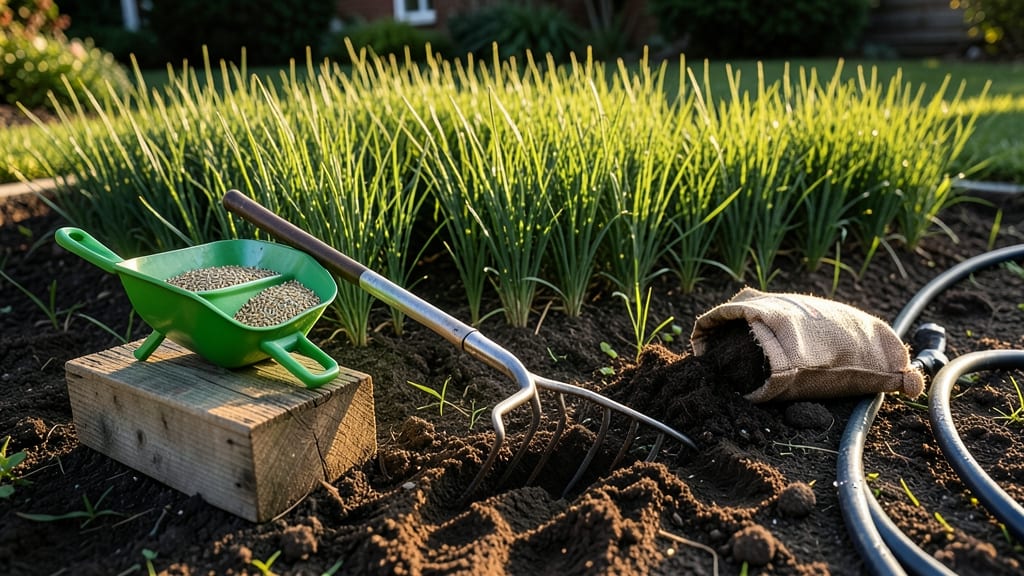
Fall is the perfect time to plant a new lawn in fall before frost locks the soil. 🌱 I’ve learned the hard way that spring planting often fails when summer heat dries out new roots—fall gives grass a head start before winter dormancy.
The key? Timing, soil prep, and moisture management to beat frost and establish a thick, green lawn by spring.
You’ll need high-quality seed for your climate zone, a rake, topsoil or compost, and a sprinkler system (or hose with a gentle spray nozzle). Cool-season grasses like Kentucky bluegrass, fescue, and ryegrass thrive when planted 4-6 weeks before your first frost date.
The soil should be 60-70°F—warm enough to work but cool enough to avoid stressing seeds.
Start by removing weeds, tilling the top 4-6 inches of soil, and leveling the area. Spread seed evenly (about 5-10 lbs per 1,000 sq ft), lightly rake it in, and keep the soil consistently moist for the first 2-3 weeks.
Frost won’t kill established roots, but a dry spell will—so check soil moisture daily. By spring, you’ll have a lush, weed-resistant lawn that outpaces spring plantings.
This method works best in USDA Zones 3-8, where fall temperatures cooperate. Southern regions can plant into early winter, while northern areas should finish by late October. The secret? Patience and consistency—fall planting rewards you with a lawn that’s already a year ahead of spring starters.
📚 In This Guide
- What you need
- Instructions
- Tips and common mistakes
- Wrapping up and next steps
What you need
- ● Cool-season grass seed: Choose Kentucky bluegrass, tall fescue, or perennial ryegrass (10–20 lbs per 1,000 sq ft, depending on blend).
- ● Topsoil or compost: 1–2 inches (for thin or poor soil; screen for debris).
- ● Lawn roller: 100–150 lb (for firming seed-to-soil contact).
- ● Rake: Bow rake (for leveling soil) + stiff-bristle dethatcher (if needed).
- ● Water source: Garden hose with sprinkler head or irrigation system (for consistent moisture).
- ● Fertilizer: Slow-release, fall-specific blend (e.g., 10-0-10 or 16-4-8; ½ lb per 100 sq ft).
- ○ Starter fertilizer (optional but recommended): High-phosphorus (e.g., 5-10-10) for root growth.
- ● Soil test kit: Check pH (ideal: 6.0–7.0); adjust with lime or sulfur if needed.
- ● Erosion control blanket: For slopes or sandy soil (secures seed until germination).
- ● Lawn edging tools: For crisp borders (plastic, metal, or rubber).
- ● Mulching hay: Light straw layer (¼ inch) to retain moisture (skip if using starter fertilizer).
- ● Knee pads/gloves: Because comfort matters! 😉
Step-by-step instructions for planting new lawn in fall
Fall is the prime time for cool-season grasses—here's how to establish a lush, permanent lawn before winter sets in.
🪴 Step 1: Prepare the Soil for Planting
Start by removing any existing vegetation, rocks, or debris from your yard. I like to use a shovel to dig up weeds and a rake to level the ground—this ensures a clean slate for your new grass. Test your soil's pH if possible; cool-season grasses prefer a slightly acidic range of 5.8-7.0. If your soil is compacted, rent a tiller to loosen it to a depth of 4-6 inches. This aeration helps roots establish more easily.
Spread a 2-3 inch layer of compost over the tilled area to improve fertility and drainage. Work it into the top 2 inches of soil using a rake. The goal is to create a loose, crumbly texture that grass seeds can easily penetrate. If your soil is particularly sandy, mix in a bit of peat moss to help retain moisture during germination.
☀️ Step 2: Choose and Spread Grass Seed
Select a high-quality cool-season grass seed blend suited to your climate—fescue, ryegrass, or bluegrass mixes work best in fall. For a 4,000 sq ft lawn, you’ll need about 8-10 pounds of seed. Spread half the seed in one direction (north to south), then spread the remaining half perpendicular (east to west). This ensures even coverage without gaps. Use a broadcast spreader for consistency, or hand-spread carefully if working in small sections.
Gently rake the seed into the soil with a stiff-bristled rake, covering it with just ¼ inch of topsoil. This light burial protects seeds from drying out while allowing sunlight to reach them. Avoid pressing down too hard—you want the soil to stay loose for root development. Water lightly immediately after to settle the seed into place.
💧 Step 3: Water Consistently for Germination
Keep the soil evenly moist for the first 2-3 weeks—this is critical for germination. Water lightly 2-3 times daily, enough to dampen the top ½ inch of soil without creating puddles. Overwatering can wash away seeds or cause them to rot. You’ll know you’re doing it right when the soil feels like a damp sponge, not soggy or dry. Avoid watering from above; use a gentle sprinkler or soaker hose to prevent seed displacement.
Once the grass reaches 2-3 inches tall, reduce watering to 1 inch per week, including rainfall. This encourages deeper root growth. Watch for signs of uneven moisture—yellow patches or dry spots mean you need to adjust your watering schedule. Fall’s cooler temperatures help retain moisture, so you’ll spend less time fussing with irrigation than in summer.
✂️ Step 4: Maintain and Protect New Growth
Wait until the grass reaches 3-4 inches tall before your first mow—this ensures roots are strong enough to handle stress. Set your mower blade to 3 inches to avoid scalping the lawn. Never remove more than ⅓ of the grass blade at once, as this weakens new growth. Bag the clippings initially to avoid smothering the young grass, then switch to mulching once the lawn is established.
Fertilize 6-8 weeks after planting with a slow-release, cool-season lawn fertilizer. Avoid high-nitrogen blends early on—they promote leafy growth at the expense of root development. Apply a thin layer of straw mulch (not hay) over seeded areas to protect seeds from birds and wind, and remove it once germination is complete. Keep foot traffic to a minimum for at least 4-6 weeks to prevent damaging tender roots.
Tips & tricks for perfect fall lawn planting
Here's what nobody tells you about establishing a fall lawn that'll outlast summer's heat.
Soil Prep is Everything: Don't skip the pH test—cool-season grasses really thrive in that 5.8-7.0 range. I've seen lawns fail because the soil was too alkaline. If your soil tests outside this range, add sulfur to lower pH or lime to raise it before planting. That 2-3 inch compost layer isn't just decoration—it's where all the magic happens for root development. Work it in thoroughly so it reaches those top 2 inches where seeds will germinate.
Seed Spread Strategy: That cross-hatching technique with the broadcast spreader makes all the difference. I've learned the hard way that skipping this step leads to patchy lawns. For smaller areas, use a hand spreader and walk in a grid pattern—don't just go back and forth. The goal is to have seeds touching but not overlapping. That ¼ inch soil coverage is critical too—too little and seeds dry out, too much and they suffocate.
Watering Wisdom: Those first 2-3 weeks are make-or-break for germination. I set a timer for my sprinkler to run for 10 minutes every 8 hours—just enough to dampen that top ½ inch without creating puddles. Early morning watering is best because evening moisture can encourage fungal growth. Once you see 2-3 inch blades, you can ease up to that 1 inch per week, but keep an eye out for dry spots that need extra attention.
First Mow Matters: Wait until that grass reaches 3-4 inches before mowing—this might take 6-8 weeks depending on your climate. I've seen people rush this and end up with weak, stressed grass that never recovers. Set that mower blade to 3 inches and never cut more than ⅓ of the blade at once. Those first clippings should go in the bag, not back on the lawn—they'll smother tender new growth.
Pro Tips for Planting New Lawn In Fall
- Here's what nobody tells you about establishing a fall lawn that'll outlast summer's heat.
- Soil Prep is Everything: Don't skip the pH test—cool-season grasses really thrive in that 5.8-7.0 range.
- Seed Spread Strategy: That cross-hatching technique with the broadcast spreader makes all the difference.
Frequently asked questions
Got questions about planting a new lawn in the fall? You’re not alone! Here are some of the most common concerns—and their answers—to help you tackle your project with confidence.
Why is fall the best time to plant a new lawn?
Fall is ideal because cool-season grasses thrive in cooler temperatures (60–75°F) and establish strong roots before winter. Fewer weeds, consistent moisture, and lower stress on grass make it easier for your lawn to take hold. Plus, you’ll see lush growth come spring!
How long does it take for new grass to grow in the fall?
Most cool-season grasses sprout within 7–14 days and reach mowing height in 3–6 weeks. Full root establishment takes 3–6 months, but you’ll notice visible improvement within weeks. Patience pays off—don’t rush!
Can I plant grass seed over existing weeds or dead grass?
Nope! Clear the area first by removing weeds (use a non-selective herbicide or manual pulling) and tilling dead grass to 1–2 inches deep. A weed-free base ensures your new grass gets the nutrients and sunlight it needs to thrive. Skipping this step = wasted seed and stubborn weeds.
How often should I water a new lawn in fall?
Water lightly 2–3 times daily (early morning, late afternoon, and evening) for the first 2 weeks to keep soil moist but not soggy. After germination, water deeply 1–2 times per week (about 1 inch total). Avoid overwatering—it can drown roots or invite fungus.
What if frost hits before my grass is established?
Don’t panic! Light frosts (<32°F) won’t harm dormant seed, but hard freezes (below 28°F) can kill new shoots. If frost is forecasted, cover seed with straw or a breathable tarp until temperatures rise. Grass will bounce back once conditions improve—just give it time!
Is sod a better alternative than seed for fall planting?
Sod grows faster (immediate coverage!) and chokes out weeds, but it’s pricier and requires heavy equipment for installation. Seed is more budget-friendly and lets you customize grass types. For fall, seed wins for most homeowners—just prep soil carefully and stay consistent with watering.
What should I avoid when planting grass in fall?
- Skipping soil prep: Compacted or weed-infested soil = poor growth. Test soil pH and amend as needed.
- Over-seeding: Follow package rates—too much seed wastes money and can smother itself.
- Using summer grass types: Warm-season grasses (like Bermuda) go dormant in fall. Stick to fescue, ryegrass, or bluegrass for cool weather.
- Ignoring foot traffic: Avoid walking on new grass until it’s 3–4 inches tall to prevent damage.
Wrapping up and next steps
Fall is the perfect time to plant a new lawn—cool-season grasses thrive in these mild conditions, giving your yard a lush, green start before winter sets in. 🌱 By following the right steps—preparing the soil, choosing quality seed, and maintaining consistent care—you’ll set your lawn up for success.
Now that you’re armed with the know-how, roll up your sleeves and get planting!
Ready to see your hard work pay off? Schedule a watering routine and keep an eye on your new grass as it grows. Soon, you’ll be enjoying a vibrant lawn that’s the envy of the neighborhood. Happy gardening! 🌿