
Lawn
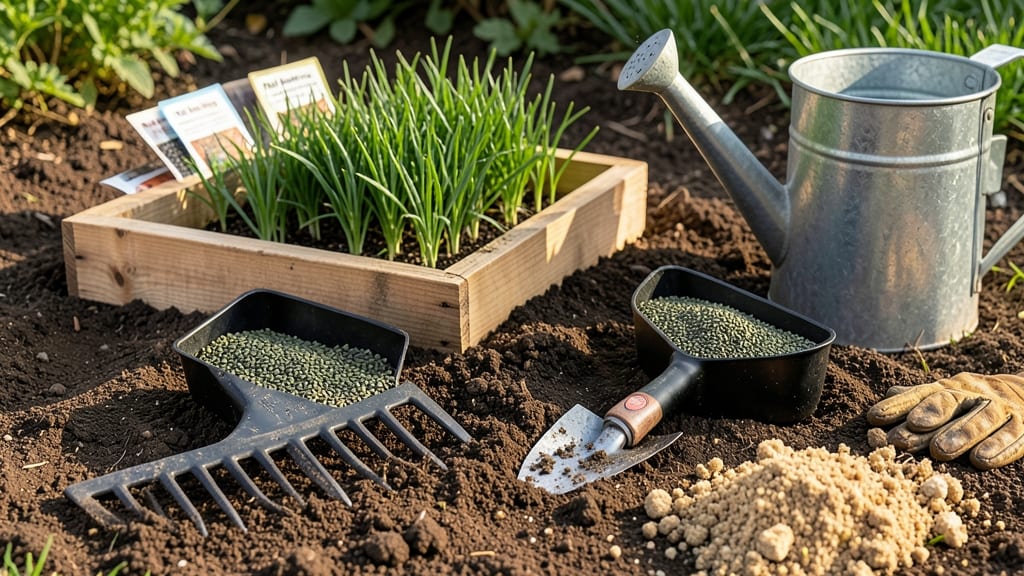
Planting lawn seed in the fall when soil temperatures stay between 50°F and 65°F gives your grass the best shot at deep roots before winter 🌱.
Fall is the perfect time to plant lawn seed—but timing it wrong can leave your grass weak and vulnerable to winter. The secret? Soil temperature triggers that most gardeners miss.
Too early, and frost can damage tender seedlings. Too late, and roots won’t establish before the ground freezes. In USDA Zone 6a, that means aiming for September to mid-October.
Here’s how to read your soil’s signals, adjust for your region, and set up your lawn for a thicker, greener spring—without the guesswork.
Fall lawn seed planting timeline by soil temperature (not calendar dates)
Most gardeners guess when to plant lawn seed in the fall based on calendar dates, but the real secret lies in soil temperature. Grass seeds germinate best when soil stays between 50°F and 65°F—too cold, and growth stalls; too warm, and seeds dry out.
This range gives young roots 4-6 weeks to establish before winter dormancy, ensuring a thicker, stronger lawn next spring.
Your local calendar might say "early October," but if your soil is still 70°F+, seeds will struggle. Conversely, planting in November when temps drop below 45°F risks weak germination.
The key? Check soil temperature—not air temperature—before planting. I’ll show you how in a moment, plus the exact regional adjustments for northern vs. southern climates.
Why soil temperature matters more than dates: Cool-season grasses like tall fescue and Kentucky bluegrass thrive in fall’s mild weather, but they need consistent warmth to germinate. If soil cools too quickly, seeds may rot or fail to sprout. Southern regions can plant later (up to mid-November), while northern zones must act by early October.
To test your soil temperature, use a soil thermometer (available at garden centers for ~$10). Insert it 2 inches deep in bare soil, away from direct sunlight, and check readings at 10 AM for accuracy.
If temps hover around 55°F, it’s prime time to plant. Pro tip: Morning readings are most reliable since afternoon sun can skew results.
If your soil is too warm (above 65°F), wait 1-2 weeks or use a light shade cloth to cool it. For too-cold soil (below 50°F), consider a black plastic mulch to absorb heat.
These tweaks can shift your planting window by 2-3 weeks, giving seeds the perfect environment to germinate.
Regional microclimates also play a role. For example, coastal areas may stay warmer longer, while inland valleys cool faster. If you’re unsure, monitor soil temps for 3-5 days to spot trends.
I once planted too early in Zone 5 because I trusted the calendar—my grass yellowed by November! Since then, I’ve relied on soil temperature and never had weak germination.
Once you’ve nailed the timing, focus on seed-to-soil contact. Lightly rake the area to create a fine, firm seedbed, then cover seeds with ¼-inch of soil.
This ensures moisture reaches the seed while keeping it protected. Water gently but deeply—1 inch per week—to encourage root growth without washing seeds away.
After planting, mark your calendar for 7-21 days (depending on grass type) until germination. Keep the soil consistently moist but not soggy, and avoid heavy foot traffic until blades reach 2-3 inches tall. With the right soil temperature and care, your fall-planted lawn will outperform spring seedings by 30-50%
Critical fall planting mistakes that kill grass growth (and how to avoid them)
Planting lawn seed in the fall is a smart move—cooler temperatures and fewer weeds create perfect conditions for strong root development. But even small mistakes can leave your grass struggling. The biggest culprits? Timing errors and poor soil prep that stall germination or invite winter damage.
I’ve seen lawns fail because gardeners planted too early (risking frost damage) or too late (slowing root growth before winter). Even worse? Ignoring soil quality or moisture issues that choke out new seedlings before they take hold. Let’s fix these common pitfalls so your fall lawn thrives.
The ideal fall planting window is 4-6 weeks before your first frost date. Planting too early (e.g., mid-August in Zone 6) risks frost damage to tender seedlings, while late planting (e.g., November) gives roots insufficient time to establish before winter dormancy.
Check your local frost dates and aim for soil temps between 50-65°F—this is your golden zone for germination.
Another silent killer? Skipping soil testing before planting. Compacted or nutrient-poor soil forces seeds to compete for resources, leaving your lawn patchy. I always test my soil’s pH and organic matter—aim for pH 6.0-7.0 and add compost if needed.
Even a thin layer of topsoil or compost can make the difference between sparse growth and a lush lawn.
Weeds are another sneaky saboteur. If you don’t clear existing weeds before planting, they’ll steal moisture and sunlight from your new grass. Use a pre-emergent herbicide 2 weeks before seeding or hand-pull weeds for a chemical-free approach.
Pro tip: Cover bare spots with straw mulch after planting to block weed seeds while protecting seedlings.
Moisture management is critical too. New seeds need consistent moisture to germinate, but overwatering can drown them. Water lightly twice daily (morning and evening) until germination, then taper to 1 inch per week. A sprinkler with gentle mist works best—avoid heavy streams that wash seeds away.
Finally, don’t underestimate the power of seed selection. Cool-season grasses like tall fescue or Kentucky bluegrass thrive in fall, but warm-season grasses (like Bermuda) struggle. Match your grass type to your climate zone for the best results.
For example, Zone 5-7 gardeners should choose fescue blends, while Zone 8+ might opt for ryegrass.
By avoiding these mistakes—timing right, prepping soil, controlling weeds, and managing moisture—your fall lawn will establish deep roots and outcompete weeds next spring. Start with the soil temperature check and work backward from there! 🌱