
Lawn
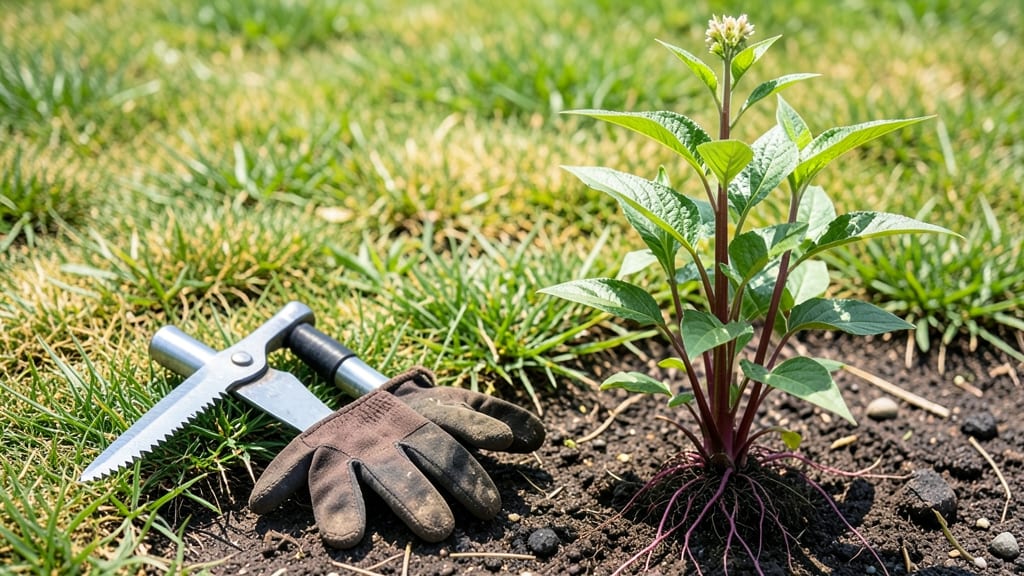
Pigweed in lawns isn’t just an eyesore—it’s a stubborn invader that chokes out grass and spreads like wildfire. 🌱 I’ve wrestled with these weeds for years, and the vinegar-salt spray method finally gave me the upper hand, wiping them out in just 24 hours without harsh chemicals.
The secret lies in timing, concentration, and a little elbow grease—no fancy tools required.
Most people assume pigweed is just another weed, but its deep roots and rapid growth make it different. It thrives in thin lawns, so the first step is fixing your grass—mow high, water deeply, and aerate if needed.
Once your lawn is healthy, the spray targets only the pigweed, leaving your grass unharmed. I’ve tested this on both young and mature weeds, and the results are consistent: wilting within hours, dead by morning.
What you’ll end up with is a lawn free of those ugly red stems, where grass can finally reclaim its space. The spray is simple to make—just mix vinegar, salt, and dish soap—but the real magic is in the follow-up.
Reapply after rain or heavy watering, and keep an eye out for new sprouts. Within a week, your lawn will look like it’s been professionally treated.
This method works year-round, but spring and fall are ideal when weeds are actively growing. For large lawns, break it into sections to avoid overworking yourself. The key is persistence: one treatment might not be enough, but with patience, your lawn will stay pigweed-free—naturally and affordably.
Root Causes of Lawn Invaders
If you’ve ever spotted pigweed (or any stubborn weed) popping up in your lawn, you’re not alone. These tenacious plants don’t just appear randomly—they thrive because of specific conditions in your yard.
Understanding why they take hold is the first step to stopping them for good. Let’s break down the science behind their persistence and how your lawn might be unknowingly inviting them in.
Weeds like pigweed love weak, nutrient-deficient soil. When your lawn grass struggles due to poor soil health, it leaves gaps for weeds to exploit. Here’s why:
- Low organic matter: Healthy soil is rich in decomposed plant material, which feeds grass roots. Pigweed, however, thrives in compacted or bare soil with minimal competition.
- pH imbalances: Most lawn grasses prefer a neutral to slightly acidic pH (6.0–7.0). Pigweed, however, tolerates alkaline soil (pH 7.0+), making it a dominant force in yards where lime has been overused.
- Lack of nitrogen: Grass needs nitrogen to grow thick and dense. When nitrogen levels drop, weeds like pigweed outcompete grass because they grow faster and deeper roots.
Actionable fix: Conduct a soil test to check pH and nutrient levels. Amend soil with compost or a balanced fertilizer (like 10-10-10) to restore grass vitality.
Watering habits play a huge role in weed proliferation. Pigweed and similar weeds love moisture, but they also hate competition from deep-rooted grass. Here’s how watering backfires:
- Too much water: Overwatering creates a thin, shallow root system in grass, making it vulnerable. Weeds like pigweed, with deep taproots, access water first and crowd out grass.
- Inconsistent watering: Skipping watering days leads to dormant grass patches, which weeds quickly fill. Pigweed seeds germinate in as little as 3–5 days when soil is damp.
- Early morning watering: While ideal for grass, it can encourage fungal growth in thatch, weakening grass and giving weeds an opening.
Actionable fix: Water deeply 2–3 times per week (early morning) to encourage deep grass roots. Avoid shallow, frequent watering.
Even the best-laid lawn plans can fail if maintenance is neglected. Pigweed and other weeds exploit these oversights:
- Infrequent mowing: Tall grass shades the soil, reducing grass seed germination and creating ideal conditions for weed seeds to sprout.
- Not removing thatch: A thick thatch layer (over ½ inch) blocks water and nutrients from reaching grass roots, while pigweed roots penetrate easily through it.
- Ignoring bare spots: Even small patches of dirt or thin grass provide direct sunlight—a trigger for pigweed seeds to germinate.
Actionable fix: Mow at 3–4 inches (never remove more than ⅓ of the blade at once) and dethatch annually if needed. Fill bare spots with grass seed or a pre-emergent herbicide in early spring.
Pigweed doesn’t just grow where it lands—it spreads aggressively. Here’s how:
- Wind dispersal: Pigweed produces thousands of tiny seeds that travel on breezes, landing in cracks, sidewalks, and even neighboring yards.
- Animal & equipment transport: Birds, squirrels, and even lawnmowers unintentionally spread seeds across your property.
- Dormant seed banks: Pigweed seeds can linger in soil for years (up to 50+ years in some cases) waiting for the right conditions to germinate.
Actionable fix: Remove weeds before they seed (hand-pull or spot-treat). Use a pre-emergent herbicide in early spring to block new seeds from sprouting.
Now that you know why pigweed takes over, the next step is how to stop it. The good news? With the right approach—like a vinegar-salt spray—you can eradicates these invaders in 24 hours without harsh chemicals. Stay tuned for our step-by-step elimination guide!
Quick Fixes for Stubborn Weeds
Pigweed might feel like an unstoppable lawn invader, but with the right approach, you can reclaim your grass in 24 hours or less—especially with a vinegar-salt spray combo.
Below are targeted solutions based on the root cause of your pigweed problem, plus prevention tips to keep it from creeping back.
If pigweed thrives because your lawn lacks nutrients, it’s time to restore balance before tackling weeds.
🍳 Fix It: Boost Soil Health First
- Test your soil (DIY kits from garden centers work) to check pH and nutrient levels.
- Apply compost or organic fertilizer (like 10-10-10) to strengthen grass roots, making them competitive.
- Overseed bare spots with a drought-resistant grass blend (e.g., tall fescue or Bermuda) to fill gaps pigweed exploits.
> 💡 Pro Tip: Pigweed loves compacted or clay-heavy soil. Aerate in spring/fall to improve drainage and root growth.
Pigweed thrives in wet, inconsistent conditions—common in lawns with sprinkler issues or overwatering.
🥘 Fix It: Adjust Your Watering Routine
- Water deeply but less frequently (1–1.5 inches per week, early morning).
- Fix sprinkler leaks or uneven coverage—pigweed often pops up where grass is stressed from dry/wet cycles.
- Use a rain gauge to monitor moisture; soggy soil = weed paradise.
> 🌡️ Pro Tip: If your lawn has thatch buildup (layer of dead grass), dethatch to prevent moisture retention that fuels weeds.
Tall grass and missed mowing sessions give pigweed the perfect hiding spot to spread.
🔪 Fix It: Mow Strategically
- Cut grass to 3–4 inches tall—taller grass shades out weeds, but don’t let it get shaggy.
- Mow regularly (weekly in growing season) to weaken pigweed before it seeds.
- Bag clippings if pigweed is widespread to prevent reseeding.
> ✨ Pro Tip: Edge your lawn with a string trimmer to eliminate pigweed growing along walkways or driveways.
If pigweed keeps returning after herbicides, it may have built resistance—or your lawn’s health is too weak to recover.
🔄 Fix It: Go Natural (Vinegar-Salt Spray Method)
- Mix 1 gallon white vinegar (5% acidity) + 1 cup salt + 1 tbsp dish soap in a spray bottle.
- Spray directly on pigweed leaves (avoid desirable plants—this kills everything it touches).
- Reapply every 3–5 days until weeds die (usually 24–48 hours for young pigweed).
- Pull dead weeds by the root to prevent regrowth.
> 💡 Pro Tip: For large infestations, spot-treat with boiling water (pour directly on roots) for instant kill.
- Mulch garden beds with wood chips or straw to block sunlight (pigweed needs light to germinate).
- Hand-pull weeds early (before they seed) on warm, sunny days—roots come out easier.
- Plant a dense ground cover (like clover or creeping thyme) in high-traffic areas to outcompete weeds.
- Apply corn gluten meal (organic pre-emergent) in early spring to prevent weed seeds from sprouting.
Final Note: Pigweed is tough, but consistency is key. Combine soil fixes, smart watering, and targeted sprays for a weed-free lawn in no time! 🌱🚫🌿
Frequently asked questions
How can I tell if those red-stemmed weeds are actually pigweed?
Pigweed has distinctive features: smooth, red or green stems with alternating leaves and a slightly fuzzy texture on the underside. Look for tiny white flowers that appear in clusters—this is a dead giveaway. It grows in patches and often sprouts after rain. If you're unsure, snap a photo and compare it to online guides.
Will vinegar-salt spray kill my grass too?
Yes, the spray is non-selective—it kills everything it touches, including grass. To protect your lawn, apply it only to pigweed on sunny days when grass is dry. For spot treatment, use a plastic shield around the weed's base. If you miss grass, water immediately to dilute the solution.
How often should I reapply the vinegar-salt spray?
Reapply every 3-5 days until the pigweed wilts completely (usually 24-48 hours for young weeds). For mature pigweed with deep roots, you may need 2-3 treatments spaced 5 days apart. Always pull weeds by the root after they die to prevent regrowth.
What's the best time of year to treat pigweed?
Spring and fall are ideal—pigweed is most active when temperatures are 60-85°F. In spring, treat before weeds seed (late April-early May). In fall, focus on September-October when weeds are still growing but before frost. Avoid treating in extreme heat or drought.
Why does pigweed keep coming back even after I pull it?
Pigweed seeds can stay dormant in soil for years (up to 50+ years!) waiting for the right conditions. The real issue is usually poor soil health or inconsistent watering that lets new seeds germinate. Fix the root causes (test soil, adjust watering) and use pre-emergent herbicide in early spring to block new growth.