
Lawn
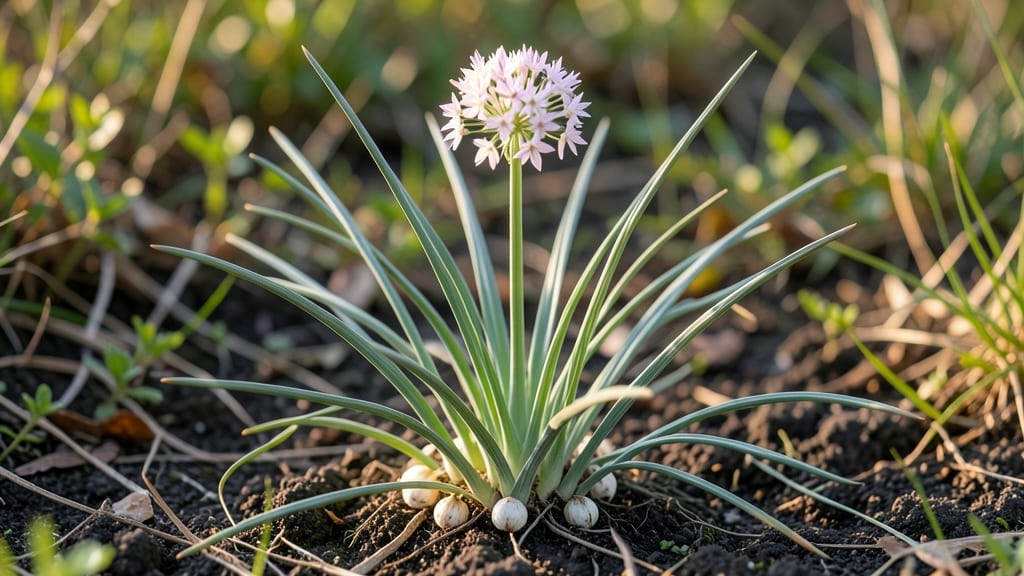
Onion weed in lawns is the sneaky culprit behind those tall, grass-like stalks that smell like onions when crushed. 🌱 I've pulled enough of these stubborn invaders to know they multiply faster than weeds should, but there's a way to reclaim your lawn in just 72 hours—without harsh chemicals.
These weeds thrive in compacted soil and spread through underground bulbs, so simply mowing won't stop them. The good news? Manual removal works best in early spring when the soil is moist, and a simple garden fork can pull up entire bulb clusters in minutes.
For larger infestations, vinegar-based sprays or corn gluten meal in fall can break their cycle.
By the end of three days, you'll see a noticeable difference—no more onion-scented surprises when you mow. The key is persistence: check for regrowth weekly, and soon your lawn will look thick, green, and completely weed-free. Even stubborn patches respond when you attack them at the right time.
This method works for any lawn size, from small patches to entire backyards. The secret is timing—spring or fall removal gives your grass the best chance to outcompete those pesky bulbs before they spread further. Let's get your lawn back to looking its best!
Root Causes of Lawn Invaders
Onion weed—scientifically known as Allium vineale—isn’t just an unsightly nuisance; it’s a tenacious intruder that thrives in specific conditions. Understanding why it shows up in your lawn is the first step to kicking it out for good.
Let’s break down the key reasons this weed takes root in your grass and how you can address them.
Onion weed loves compacted, nutrient-poor soil because it gives it an edge over struggling grass. When your lawn lacks proper aeration, water, or organic matter, grass roots weaken, leaving gaps for weeds like onion weed to seize control. Here’s why it happens:
- Low organic matter: Soil without enough compost or decomposed plant material lacks the nutrients grass needs to outcompete weeds. Onion weed, with its deep taproot, can access deeper moisture and nutrients that shallow grass roots can’t reach.
- Compacted soil: Heavy foot traffic, machinery, or clay-heavy soil compresses the top layer, restricting oxygen and water flow. Grass suffocates, while onion weed’s resilient root system thrives in these conditions.
- Imbalanced pH: Soil that’s too acidic (pH below 6.0) or alkaline (pH above 7.5) weakens grass. Onion weed, however, is adaptable and flourishes in a wider pH range, making it a persistent problem in neglected lawns.
Actionable fix: Test your soil’s pH and organic content, then amend it with compost or a balanced fertilizer. Aerate compacted areas in fall or spring to loosen the soil and encourage healthy grass growth.
Onion weed is a drought-tolerant weed, but it also loves moisture—just not too much of it. While it can survive dry spells, it prefers consistent watering patterns that mimic its native Mediterranean habitat. Here’s how watering habits invite it:
- Deep, infrequent watering: Onion weed thrives when lawns are watered deeply but rarely, as it mimics natural rainfall patterns. This encourages its deep root system to store water, while shallow grass roots struggle to compete.
- Overhead sprinklers: Watering from above (rather than drip irrigation) wets the soil surface, promoting weed seeds to germinate. Onion weed seeds, which can lie dormant for years, spring to life when exposed to moisture.
- Inconsistent schedules: Skipping watering days or overwatering sporadically creates stress in grass, while onion weed adapts. Its ability to go dormant and revive when conditions improve gives it a survival advantage.
Actionable fix: Water your lawn deeply but infrequently—about 1 to 1.5 inches per week—to encourage deep grass roots. Use soaker hoses or drip systems to deliver water directly to the soil, reducing surface moisture that triggers weed seeds.
Onion weed is a pioneer species, meaning it excels at colonizing disturbed or bare soil. Whether it’s from construction, foot traffic, or dead patches, gaps in your lawn create the perfect entry point. Here’s how disturbance helps it spread:
- Construction or landscaping: Digging, tilling, or installing new features exposes fresh soil, which onion weed seeds (or underground bulbs) quickly invade. Its rapid growth fills empty spaces before grass can recover.
- Foot traffic or pet paths: High-traffic areas compact soil and wear down grass, creating thin or bare spots. Onion weed’s shallow runners spread horizontally, filling these gaps faster than grass can regrow.
- Disease or dead patches: Fungal infections, grubs, or drought can kill grass in patches, leaving open soil. Onion weed’s bulbs or seeds lie in wait, ready to sprout when the competition is gone.
Actionable fix: Overseed bare spots immediately with a dense, competitive grass mix (like tall fescue or perennial ryegrass) and apply a pre-emergent herbicide in early spring to block onion weed seeds. For compacted areas, aerate and top-dress with compost to encourage grass recovery.
Onion weed isn’t picky about where it grows, but it does have seasonal preferences. Cool seasons (fall and spring) are its prime time to germinate and spread, while hot summers force it into dormancy. Here’s how climate plays a role:
- Cool, moist springs: Onion weed seeds germinate best in 50–70°F soil temperatures, which is common in early spring. If your lawn is slow to green up, onion weed fills the void.
- Mild winters: In regions with freezing winters, onion weed may die back but resurfaces in spring. However, in USDA zones 7–10, it can survive year-round, spreading aggressively.
- Drought stress: While onion weed tolerates dry spells, prolonged drought weakens grass, giving it an opening. Once rains return, it revives quickly while struggling grass recovers slowly.
Actionable fix: Apply a pre-emergent herbicide in early spring (before soil temps hit 50°F) to stop seeds from germinating. In warm climates, focus on post-emergent control in fall when onion weed is actively growing but before winter dormancy.
By tackling these root causes—soil health, watering habits, bare spots, and seasonal timing—you’ll starve onion weed of the conditions it needs to thrive. The key is proactive lawn care: healthy grass is the best weed barrier!
Quick Fixes for Stubborn Lawn Invaders
Got onion weed creeping into your lawn like an uninvited guest? Don’t panic—this stubborn intruder has a weakness, and with the right approach, you can reclaim your grass in 72 hours or less.
Below are targeted solutions based on the root cause of your problem, from quick fixes to long-term prevention. Let’s tackle this step by step!
Best for: Small patches of onion weed (especially young shoots) or when you want immediate results.
Onion weed is shallow-rooted, making it perfect for manual removal—no chemicals needed! Here’s how to do it right:
- 🍳 Wait for the Right Time Pull weeds after rain or when the soil is moist (they’ll come out easier). Early morning is ideal—wet grass means less resistance.
- 👨🍳 Grab and Twist Use gloves to grip the weed as close to the base as possible. Give a firm tug—if it resists, wiggle it side to side to loosen the roots. Pro tip: A dandelion digger or weeding fork helps for stubborn clumps.
- 🔪 Dispose Properly Don’t toss pulled weeds back onto your lawn—they’ll regrow! Bag them up or compost them away from your yard.
- 🌱 Fill the Gap Reseed or lay sod immediately to prevent bare spots from inviting more weeds.
✨ Prevention Tip: Hand-pull weeds weekly during spring and fall to stay ahead. Consistency is key!
Best for: Organic lawn care or when you want to avoid harsh chemicals.
White vinegar is a natural herbicide that burns onion weed on contact. Here’s the DIY recipe:
| Ingredient | Amount | Purpose |
|---|---|---|
| White vinegar (20% acid) | 1 gallon | Kills weeds by dehydrating them |
| Dish soap (1 tbsp) | 1 tbsp | Helps vinegar stick to leaves |
| Water | 1 cup | Dilutes for safer application |
🔥 How to Apply:
- Mix ingredients in a spray bottle.
- Spot-treat onion weed (avoid spraying grass—vinegar will kill it too!).
- Apply on a sunny day (no rain for 24 hours).
- Reapply every 2–3 days until weeds die (usually 3–5 days).
🌡️ Pro Tip: For tougher weeds, use full-strength vinegar (no water) and cover with plastic for 24 hours to boost effectiveness.
Best for: Large lawns or when onion weed keeps returning.
Pre-emergent herbicides create a chemical barrier in the soil, preventing weed seeds from sprouting. Best applied in early spring or fall:
- 📊 Choose the Right Product Look for corn gluten meal (organic) or pendimethalin (synthetic). Both are effective against broadleaf weeds like onion weed.
- 🌱 Apply Before Seeds Germinate Onion weed seeds germinate in cool weather. Spread pre-emergent 4–6 weeks before your last frost date.
- 🔪 Follow Label Instructions Water lightly after application to help it settle into the soil. Avoid overseeding for at least 3 months—it’ll neutralize the herbicide.
✨ Prevention Tip: Reapply pre-emergent annually in early spring for long-term control.
Best for: When onion weed is already established and spreading.
If hand-pulling and vinegar aren’t enough, a selective post-emergent herbicide (like 2,4-D or triclopyr) will kill existing weeds without harming grass. Here’s how:
- 🍳 Pick the Right Herbicide
- 2,4-D (best for broadleaf weeds in cool-season grass).
- Triclopyr (works in warm-season grass like Bermuda or Zoysia).
- 👨🍳 Apply on a Calm Day Spray evenly on onion weed leaves (avoid windy days to prevent drift onto desired plants).
- 🌱 Water Lightly After Helps the herbicide absorb into the weed’s system. Wait 24–48 hours before mowing.
- 🔪 Repeat if Needed Some stubborn weeds may need a second treatment in 7–10 days.
💡 Pro Tip: Mow your lawn short before applying herbicide—it helps the spray reach the weeds more effectively.
The best defense is a healthy lawn. Onion weed thrives in thin, weak grass, so focus on these preventive steps:
- 📊 Mow High (3–4 inches) to shade out weed seeds.
- 💪 Fertilize Regularly (use a balanced 10-10-10 fertilizer in spring/fall).
- 🌡️ Water Deeply but Infrequently (1–1.5 inches per week) to encourage deep grass roots.
- 🎯 Overseed Bare Spots in fall to fill gaps before weeds move in.
- 🔪 Dethatch if your lawn has a thick layer of debris (weeds love that environment).
Final Thought: Onion weed may be pesky, but with quick action and smart prevention, you can eliminate it fast and keep your lawn lush. Try one method today—your grass will thank you! 🚀
Frequently asked questions
How do I tell onion weed apart from regular grass?
Onion weed has hollow, round stems (like grass) but produces small white flowers and onion-like bulbs at the base. Crush a leaf—if it smells like onions or garlic, it’s onion weed. The leaves also grow in a V-shape when folded, unlike most grass blades.
Will vinegar kill my lawn if I spray it on onion weed?
Yes, vinegar will damage grass—it’s a non-selective herbicide! Always spot-treat onion weed and avoid spraying nearby grass. For safety, use a dropper or small brush to apply vinegar directly to the weed’s leaves. Test a small area first to check for grass sensitivity.
Why does onion weed keep coming back after I pull it?
Onion weed spreads through underground bulbs and seeds. If you leave even a small piece of root or bulb in the soil, it’ll regrow. Always pull weeds when soil is moist and dig deep—aim for the entire bulb cluster. Check for regrowth weekly for 3–4 weeks after removal.
Can I use corn gluten meal to prevent onion weed?
Corn gluten meal is a natural pre-emergent herbicide that blocks weed seeds from sprouting. Apply ½ pound per 100 sq ft in early spring or fall, before onion weed seeds germinate. It also adds organic matter to your soil—just water lightly after application.
Is onion weed harmful to pets or children?
No, onion weed isn’t toxic to pets or children, but it can cause mild stomach upset if ingested in large amounts. The real risk is the chemicals used to kill it—always choose pet-safe herbicides (like vinegar or corn gluten) if you have animals. Keep pets off treated lawns for 24–48 hours after application.