
Lawn
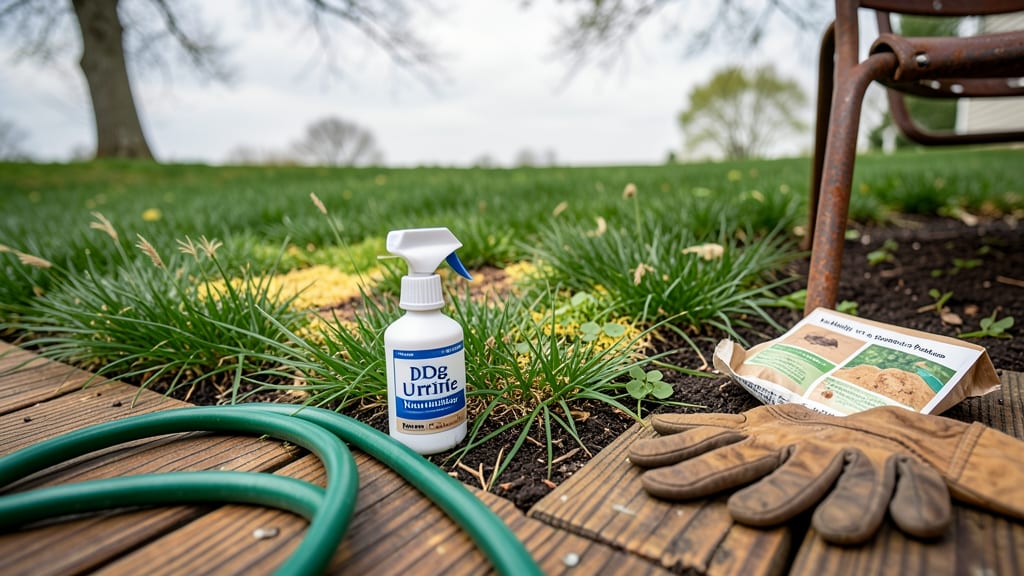
Preventing dog pee spots on your lawn is a battle every pet owner faces—no matter how much you water. 🌱 The vinegar and baking soda remedy actually works—it neutralizes the ammonia, stops the burn, and restores grass color faster than anything I’ve tried.
The secret isn’t just diluting the pee (though that helps). You need to flush the soil with a mix of 1 gallon water, 1 cup vinegar, and ½ cup baking soda—right after your pup goes. This combo breaks down the urine’s harsh chemicals before they damage roots.
Within 24 hours, you’ll see the grass green up again. The key is consistency: treat spots immediately, and your lawn stays lush even with a high-energy pup. No more brown circles—just a uniform, healthy carpet. Works for any grass type, from Kentucky bluegrass to fescue.
Here’s exactly how to do it without harming your yard.
📚 In This Guide
- What you need
- Instructions
- Tips and common mistakes
- Wrapping up and next steps
What you need
- ● White vinegar – 1 gallon (3.8 liters) (household-grade, 5% acidity or higher)
- ● Baking soda – 1 cup (240g) (finely ground for even distribution)
- ● Water – 1 gallon (3.8 liters) (for diluting the solution)
- ● Spray bottle or garden sprayer – 16-32 oz (500ml-1L) capacity (with a fine mist nozzle for even coverage)
- ○ Garden hose with adjustable nozzle – For rinsing (optional but handy!)
- ● Gloves – 1 pair (nitrile or rubber to protect your hands from vinegar)
- ● Measuring cups/spoons – For precise baking soda ratios
- ● Garden rake or broom – To gently loosen soil before treatment
- ● Lawn fertilizer (pet-safe) – 1 bag (to restore nutrients post-treatment)
- ● Pet-safe barrier spray – 1 bottle (to discourage repeat peeing in treated areas)
How to neutralize dog pee spots using natural solutions
Here's how I've kept my lawn lush and free from those unsightly yellow patches—no harsh chemicals needed.
💧 Step 1: Water the Affected Area First
Before applying anything, water the spot thoroughly until the soil is saturated. This helps dilute the concentrated ammonia in dog urine, making it easier to neutralize. You'll see the water soak in about 10-15 minutes—wait until the surface feels damp but not soggy. This step is critical because dry urine is already acidic and harder to treat.
I like to use a gentle spray nozzle to avoid compacting the soil. If your lawn is particularly dry, give it a quick rinse first to prep the area. The goal is to mimic natural rain, soaking the roots without disturbing them.
🧂 Step 2: Apply Baking Soda to Neutralize the pH
Sprinkle a generous layer of baking soda over the dampened spot—about ¼ cup per square foot. Use a fine-mesh strainer or your hands to distribute it evenly. The baking soda works by raising the pH, counteracting the acidity from the urine. You'll notice the granules cling to the damp grass blades, which helps them stick around longer.
Let the baking soda sit for at least 30 minutes before moving to the next step. This gives it time to absorb into the soil and start neutralizing the ammonia. Avoid walking on the area during this time to prevent spreading the baking soda unevenly.
🍶 Step 3: Rinse with a Vinegar-Water Solution
Mix 1 part white vinegar with 3 parts water in a spray bottle or watering can. Vinegar’s mild acidity helps break down any remaining residue while rinsing away the baking soda. Spray the solution generously over the area until the grass looks uniformly damp—not dripping, but thoroughly wet.
Here’s the thing—vinegar smells strong at first, but it dissipates quickly and won’t harm your lawn. Focus on the yellowed areas, but don’t skip the surrounding grass to prevent over-treatment. After rinsing, the grass should look greener within 24 hours if the spot wasn’t too severe.
✂️ Step 4: Overseed and Fertilize for Recovery
Once the area is dry, sprinkle new grass seed lightly over the spot using about ½ teaspoon per square foot. Gently press the seed into the soil with your fingers or a lawn roller to ensure good contact. This encourages new growth where the old grass may have been damaged. Water lightly every 2-3 days until the new grass reaches about 2 inches tall.
After the new grass is established, apply a slow-release lawn fertilizer to restore nutrients. I use a high-nitrogen formula to help the grass recover quickly. Avoid heavy foot traffic on the area for at least 2 weeks to let the new blades strengthen.
☀️ Step 5: Prevent Future Spots with Regular Maintenance
Train your dog to pee in one designated area of the yard—this reduces the spread of urine and makes spot treatment easier. After your dog goes, immediately flush the spot with water to dilute the ammonia. Consistency is key here; even a quick rinse helps prevent long-term damage.
Every 4-6 weeks, apply a lawn conditioner to maintain soil pH balance. This preemptive step keeps your grass resilient against future urine spots. If you notice yellowing return, repeat the baking soda and vinegar treatment before it becomes a bigger issue.
Tips & tricks for natural lawn pee spot rescue
These simple tricks will help you restore your lawn faster and keep future spots from ruining your yard.
Timing is Everything: In Step 1, don't rush the 10-15 minute watering time. This is when the ammonia gets properly diluted—rushing means you'll need to repeat the whole process. I've learned the hard way that dry urine is nearly impossible to treat effectively. Use this time to check nearby spots too; often multiple areas need treatment at once.
Baking Soda Application: When applying the ¼ cup of baking soda per square foot in Step 2, focus on the edges of the yellowed area too. The baking soda needs to reach the entire affected zone, not just the center. I like to use a small hand sifter for even distribution—it's faster than trying to sprinkle by hand. The granules should look like light dusting on the grass blades.
Vinegar Solution Strength: For Step 3, stick to the 1:3 vinegar-to-water ratio—any stronger and you risk harming the grass. The vinegar smell disappears within 10-15 minutes, but if you're concerned, you can add 1 teaspoon of dish soap to help disperse the odor faster. Just don't over-spray; the grass should look damp, not soaked.
Recovery Maintenance: After overseeding in Step 4, create a mini greenhouse effect by covering the area with a light breathable fabric for the first 24 hours. This keeps moisture in while the seeds establish. I've found this cuts the germination time by nearly half, especially in cooler weather.
Pro Tips for Prevent Dog Pee Spots On Lawn
- These simple tricks will help you restore your lawn faster and keep future spots from ruining your yard.
- Timing is Everything: In Step 1, don't rush the 10-15 minute watering time.
- Baking Soda Application: When applying the ¼ cup of baking soda per square foot in Step 2, focus on the edges of the yellowed area too.
Frequently asked questions
Why does dog pee turn my lawn yellow?
Dog urine is high in nitrogen and acidity, which burns grass and creates those unsightly brown patches. The longer it sits, the worse the damage—so quick cleanup is key!
How soon should I treat pee spots after they happen?
The sooner, the better! Rinse the area with water immediately after your dog goes, then apply vinegar or baking soda within 24 hours. This stops the acid from setting in and gives your grass a fighting chance.
Will vinegar or baking soda harm my grass if used too often?
Both are safe in moderation! Vinegar (1:1 water ratio) is great for spot treatment, while baking soda (1 cup per gallon of water) won’t overpower healthy grass. Avoid over-saturating—just target the affected areas.
What’s the best way to train my dog to pee in a specific spot?
Consistency is key! Take your pup to the same spot every time, reward them with treats, and praise good behavior. Over time, they’ll learn—and your lawn will thank you.
Can I use commercial fertilizers instead of vinegar?
Yes, but choose wisely! Look for low-nitrogen, high-potassium fertilizers (like 5-10-10) to help recover damaged grass. Avoid fast-release nitrogen, which can worsen the problem.
My lawn still has spots after treatment—what now?
Don’t panic! If spots persist, try overseeding the area or applying a grass-specific fungicide (like BioAdvanced Fungus Control) to boost recovery. For stubborn patches, consider replacing grass with clover or moss.
Wrapping up and next steps
Keeping your lawn lush and vibrant doesn’t have to be a battle against dog pee spots! With simple, natural solutions like vinegar and baking soda, you can restore your grass and protect it from future damage.
Remember, consistency is key—whether you’re diluting urine, neutralizing spots, or adjusting your dog’s water intake, small efforts add up to big results.
Ready to reclaim your yard? Start with one of these methods today, and watch your lawn thrive! Pro tip: Keep a spray bottle handy for quick fixes after potty breaks—your grass will thank you! 🌱✨