
Lawn
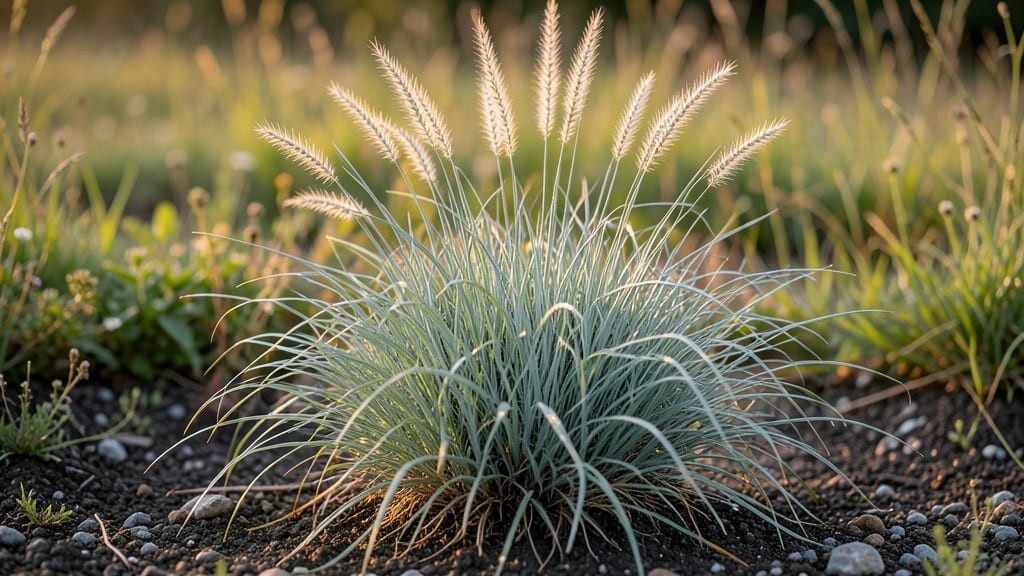
An oat grass lawn transforms bare patches into a lush carpet that stays green even when other grasses struggle. ✨ Unlike fescue or Kentucky bluegrass, oat grass thrives in cooler climates and recovers faster from foot traffic—perfect for families with kids or pets.
The secret lies in proper soil prep, precise seeding, and a watering routine that mimics natural rainfall. Start with a clean, level surface—remove debris and loosen compacted soil to a depth of 2-3 inches. Mix in compost for better drainage, then spread seeds evenly using a broadcast spreader.
Lightly rake to ensure good seed-to-soil contact, which prevents clumping and ensures even germination. Within 30 days, you’ll see vibrant green blades outcompeting weeds, thanks to oat grass’s aggressive early growth.
The key is consistent moisture—water lightly twice daily for the first two weeks, then taper to deep watering 2-3 times weekly. Avoid overwatering, which can lead to fungal issues. This grass handles drought better than most cool-season varieties and recovers from mishaps like pet urine or heavy foot traffic.
For best results, mow at 3-4 inches and avoid scalping. With minimal maintenance, you’ll have a lawn that stays perfect through all four seasons.
📚 In This Guide
- What you need
- Instructions
- Tips and common mistakes
- Wrapping up and next steps
What you need
- ● Oat grass seed: 10–20 lbs (depending on lawn size; check seed bag for exact coverage rates). Choose a high-quality, certified organic or non-GMO variety for best results.
- ● Lawn soil: 2–3 inches of topsoil or a lawn seed starter mix (amended with compost for better drainage).
- ● Broadcast spreader: A handheld or tow-behind model for even seed distribution (rent or buy for ~$50–$150).
- ● Rake: A bow rake with fine teeth to level soil and cover seeds lightly.
- ● Water source: A hose with a sprinkler head or drip irrigation system (for consistent moisture).
- ● Lawn fertilizer: A slow-release, nitrogen-rich formula (e.g., 16-4-8 or 20-5-10) to kickstart growth.
- ○ Weed barrier cloth (optional but recommended): 1–2 layers to suppress weeds before seeding.
- ● Soil test kit: To check pH and nutrient levels (ideal pH for oat grass: 6.0–7.5).
- ● Compost or organic matter: 1–2 inches mixed into soil for better fertility.
- ● Pre-emergent herbicide: If weeds are a problem (apply 2 weeks before seeding).
- ○ Lawn roller: Lightweight to press seed into soil (optional for large areas).
- ● Mulching straw: ¼-inch layer to retain moisture and protect seeds from birds.
- ● Lawn mower: A high-cut setting (3–4 inches) once grass reaches 4–5 inches.
Step-by-Step guide to establishing a lush oat grass lawn
Here's how to transform your yard into a vibrant, resilient oat grass carpet that stays green all year.
🌱 Step 1: Prepare the Soil for Optimal Germination
Start by removing all existing vegetation, rocks, and debris from your lawn area. Use a sharp spade to loosen the top 6 inches of soil—this breaks up compacted layers and creates space for new roots. I like to rent a core aerator for larger areas; it pulls small soil plugs that improve drainage and air circulation.
After loosening, rake the surface smooth and level. Test the soil pH with a kit—oat grass thrives in slightly acidic to neutral soil (6.0-7.0). If your soil tests below 6.0, mix in 2 pounds of pelletized lime per 100 square feet and till it in. This adjustment prevents nutrient deficiencies that cause yellowing later. Water the area lightly after amending to help settle the soil.
🌿 Step 2: Spread Seed Evenly for Uniform Growth
Divide your lawn into sections and use a broadcast spreader set to the oat grass seed rate (typically 10-15 pounds per 1,000 square feet). Walk in a crisscross pattern to ensure even coverage—uneven seeding leads to patchy growth. For smaller areas, use a hand spreader and work in 2-foot sections to maintain consistency.
Lightly rake the seeded area with a stiff-bristle rake to press seeds into the soil without burying them. Oat grass seeds need light to germinate, so avoid covering them with more than ¼ inch of soil. After spreading, water gently until the soil is evenly moist to a depth of ½ inch. This keeps seeds hydrated without displacing them.
💧 Step 3: Maintain Consistent Moisture During Germination
Keep the soil continuously moist for the first 21 days—this is critical for uniform germination. Water lightly twice daily (morning and evening) using a fine mist setting on your sprinkler. You'll see first green shoots in 7-14 days, but don't let the soil dry out completely between waterings. Overwatering is just as harmful; the surface should feel damp but not soggy.
Once seedlings reach 2 inches tall, reduce watering to once daily and gradually increase the duration. This encourages deeper root growth. Avoid walking on the lawn until the grass reaches 3-4 inches—you'll notice seedlings bend and break underfoot if you rush it. A light layer of straw mulch (¼ inch) helps retain moisture and reduces weed competition.
☀️ Step 4: Fertilize and Mow for Long-Term Health
After 30 days, when the lawn is fully established (3-4 inches tall), apply a slow-release fertilizer with a 16-4-8 NPK ratio. Use 1 pound per 100 square feet and water immediately to activate the granules. Oat grass benefits from two feedings per year: once in early spring and again in late summer. This prevents thatch buildup and maintains vibrant color.
Begin mowing when the grass reaches 3.5 inches—never cut more than ⅓ of the blade height at once. Set your mower to 3 inches for optimal growth. Mow in different directions each time to prevent soil compaction and create a tighter turf. Bag the clippings the first few times to avoid nutrient buildup, then switch to mulching for natural fertilization.
✂️ Step 5: Adjust Care for Year-Round Perfection
In fall, reduce mowing frequency but maintain the 3-inch height—this protects roots from winter freeze-thaw cycles. Apply a winterizer fertilizer (high potassium) in late October to strengthen cold tolerance. Oat grass stays green in mild winters but may go dormant in freezing conditions; don’t panic if it turns brown—it recovers quickly in spring.
Spring is all about revival. Rake out any debris, then apply a light nitrogen boost in early March if the grass looks pale. Overseed bare spots with ½ the recommended seed rate and keep the area moist for 14 days. By June, your lawn should be dense, resilient, and lush—ready for summer foot traffic. The key? Consistency in watering and mowing—skip either, and you’ll see thin patches or weeds creep in.
Tips & tricks for perfect oat grass lawn establishment
Here's what nobody tells you about creating that flawless oat grass carpet—details that turn good results into showstopping lawns.
Soil Prep Secret: After loosening that 6-inch layer in Step 1, run your hands through the soil to check for remaining clumps. I've seen lawns fail because of hidden compacted pockets—break them up completely or you'll get uneven germination. For extra insurance, rent a core aerator before seeding; those tiny soil plugs create perfect micro-environments for root development.
Seed Distribution Hack: When using a broadcast spreader in Step 2, walk in a crisscross pattern but always overlap by 50% to prevent streaks. For hand spreading, work in 2-foot sections—this ensures you don't miss spots when your arms get tired. Pro move: mark your lawn with stakes every 10 feet to create visual guides for even coverage.
Germination Guardian: During those critical 21 days of moisture maintenance in Step 3, set a timer for your morning and evening waterings. The fine mist setting should create droplets that barely cling to the soil surface—think "damp newspaper" texture. I've seen germination rates drop by 30% when soil was either too dry or waterlogged during this window.
Fertilizer Timing: When applying that 16-4-8 NPK slow-release fertilizer after 30 days in Step 4, water immediately to activate the granules—but don't overdo it. The goal is to moisten the surface ½ inch deep, not drench it. This prevents nutrient runoff while ensuring the fertilizer makes contact with the root zone. For the second feeding in late summer, I recommend a 10-0-10 ratio instead—it promotes thatch breakdown without excessive top growth.
Pro Tips for Oat Grass Lawn
- Here's what nobody tells you about creating that flawless oat grass carpet—details that turn good results into showst...
- Soil Prep Secret: After loosening that 6-inch layer in Step 1, run your hands through the soil to check for remaining...
- Seed Distribution Hack: When using a broadcast spreader in Step 2, walk in a crisscross pattern but always overlap by...
Frequently asked questions
Got questions about growing an oat grass lawn?
You’re not alone! Here are answers to the most common concerns—so you can get that lush, green carpet underfoot without the guesswork.
What’s the best time of year to plant oat grass for a year-round lawn?
For year-round success, plant in early spring (March–April) or late summer (August–September). Spring gives roots time to establish before summer heat, while late summer avoids winter stress. In mild climates, fall planting (October) can also work—just water deeply before the first frost!
How often should I water an oat grass lawn, especially in hot/dry months?
Water deeply 2–3 times per week (about 1–1.5 inches total) during the first 30 days. Once established, aim for 1 inch per week, including rainfall. Pro tip: Water early morning (4–8 AM) to reduce evaporation and fungal risks. Let the top 2–3 inches dry between waterings to prevent disease.
Is oat grass more prone to pests or diseases than other grasses?
Oat grass is resistant to many pests (like chinch bugs or grubs) but can struggle with fungal diseases (e.g., brown patch or dollar spot) in humid conditions. Improve airflow by mowing high (3–4 inches) and avoid overwatering. If issues arise, treat with neem oil or a fungicide labeled for cool-season grasses.
Can I mix oat grass with other grasses (like fescue or rye) for a tougher lawn?
Mixing oat grass with fine fescue (30–50%) or ryegrass (20–30%) creates a denser, more drought-tolerant lawn. Oat grass adds softness and winter color, while fescue/ryegrass boost durability. Seed blends are sold pre-mixed—just check the label for cool-season grass ratios.
How does oat grass handle heavy snow or freezing temps?
Oat grass is cold-hardy (USDA Zones 3–9) and stays green under snow, but thatch buildup can occur. After winter, rake out debris, aerate if needed, and fertilize in early spring to revive growth. Avoid walking on frozen lawns—it compacts soil and smothers new shoots.
What’s the quickest way to fix bare spots in an existing oat grass lawn?
For small patches: Rake out debris, loosen soil, sprinkle seed + compost, and cover lightly with straw. Keep moist for 2–3 weeks. For large areas, overseed in fall (oat grass germinates faster than spring). If soil is compacted, core aerate first for better seed-to-soil contact.
Wrapping up and next steps
Transforming your lawn into a lush, year-round oat grass oasis is totally within reach—just follow the steps, stay patient, and enjoy the process! 🌱 With the right mix of seeds, soil prep, and care, you’ll soon have a vibrant, eco-friendly lawn that’s the envy of the neighborhood.
Ready to dive in? Start by gathering your supplies this weekend and kick off your project with confidence. Your dream green space is just 30 days away!
Pro tip: Bookmark this guide and take it slow—consistency is key! 💡