
Lawn
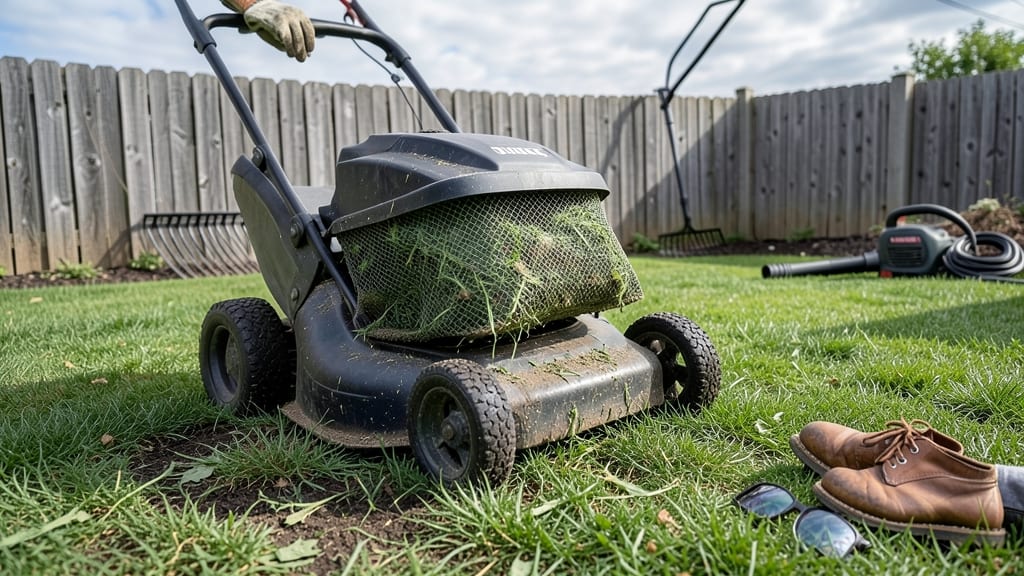
Mowing leaves into your lawn isn't just about cleanup—it's a free fertilizer that keeps grass vibrant through winter. 🌿 I used to rake every fall, thinking it was "good practice," but my lawn stayed dull until I discovered how shredding leaves into the turf feeds the roots all season long.
The secret is timing and technique: wait until leaves are dry but not frozen, then mow when they're 1/3 the height of your grass—never letting them smother the blades.
A mulching mower turns them into a fine, nitrogen-rich layer that decomposes slowly, while bagging creates waste and deprives your lawn of natural nutrients. You'll notice greener grass by spring, fewer weeds, and a thicker lawn that recovers faster from drought.
The process takes half the time of raking, and your lawn becomes self-fertilizing with zero extra cost. Works best in fall and early winter, but avoid doing it when frost is expected. For large piles, mow in two passes—first to chop, then to spread evenly.
Here's how to do it right without smothering your grass.
📚 In This Guide
- What you need
- Instructions
- Tips and common mistakes
- Wrapping up and next steps
What you need
- ○ Lawn mower with mulching capability: A high-quality mulching mower (preferably with a sharp blade and adjustable cutting height—set to 3-4 inches for optimal mulching). Gas-powered or electric models with a bagger attachment (optional for comparison).
- ● Leaf rake or leaf blower: A stiff-bristle rake (for light debris removal) or a leaf blower (for larger yards or thick leaf layers).
- ● Garden gloves: Durable, cut-resistant gloves (e.g., mechanics’ or heavy-duty work gloves) to protect your hands from sharp blades and debris.
- ● Pruning shears or hedge clippers: For trimming overgrown edges or thick leaf piles before mowing.
- ● Water source (hose or sprinkler): A light watering (10-15 minutes) before mowing helps leaves break down faster and reduces dust.
- ● Leaf vacuum or mulching bag: If your mower doesn’t mulch well, a leaf vacuum (like a Stihl or Ego) can collect leaves for composting.
- ● Soil test kit: To check nitrogen, phosphorus, and potassium (NPK) levels before and after mulching (helps fine-tune lawn care).
- ● Compost bin: For collecting excess leaves or grass clippings to repurpose into nutrient-rich compost.
- ● Knee pads or cushion: For comfort if you’re raking or adjusting mower settings on hard ground.
- ● Safety goggles: Protects eyes from dust, debris, or flying leaves during mowing.
Mulching magic: how to mow leaves directly into your lawn
Turn autumn's leaf pile into free fertilizer—here's how to mulch them right into your grass.
🌿 Step 1: Rake Lightly to Avoid Clumps
Before you mow, give the lawn a quick once-over with a rake. Focus on breaking up thick piles of leaves into smaller clusters—you want them spread evenly, not in thick mats. I like to work in sections, raking leaves toward the center of the yard where they're easier to chop up.
Watch for areas where leaves have already formed a dense layer. These spots will clog your mower and create uneven cuts. A light raking ensures the mower blades can actually reach the grass below. Think of this as prepping your lawn like you're about to mulch garden debris—just with a different tool.
🌱 Step 2: Adjust Mower Height and Blade Type
Raise your mower blade to its highest setting—usually around 3-4 inches—before you begin. Taller grass blades handle leaf mulching better and recover faster from the process. Also, switch to a mulching blade if your mower has that option; these blades chop leaves finer and more evenly.
If you're using a regular blade, you'll need to mow more frequently to keep up with the leaf volume. I find that mowing when leaves are dry works best—they chop more cleanly and don't clump as easily. Just avoid mowing when frost is present, as wet leaves can pack into the grass and suffocate it.
💧 Step 3: Mow in Two Directions for Even Coverage
Start by mowing in one direction, then turn the mower 90 degrees and go over the lawn again. This cross-pattern ensures you catch any missed leaves and creates a more uniform mulch layer. I like to overlap my passes by about 6 inches to prevent streaks of unmulched grass.
Pay attention to how the leaves are being chopped—you should see them getting finer with each pass. If you notice large leaf pieces remaining, slow down slightly or mow that section again. The goal is to create a thin, even layer that looks like confetti rather than visible leaf chunks.
✂️ Step 4: Finish with a Light Watering
After mowing, give the lawn a light watering to help the mulched leaves settle into the grass. Aim for about ¼ inch of water—just enough to dampen the surface without soaking it. This helps the leaf particles break down faster and prevents them from blowing away.
I usually water in the early morning so the lawn has time to dry before evening. Watch for any areas that look too dark after watering—this can indicate too many leaves in one spot. If you see this, rake those sections lightly and redistribute the mulch more evenly.
☀️ Step 5: Monitor and Maintain Through Fall
Check your lawn every few days after mulching to ensure the leaf particles are breaking down properly. You'll know it's working when the grass stays green and the leaf bits disappear rather than pile up. If you notice bare spots or yellowing grass, those areas likely need more sunlight—rake away excess mulch gently.
This method works best when done consistently throughout fall. I find that spreading the mulching over 4-6 weeks prevents overloading the lawn. By late fall, you'll have a lawn that looks well-fed and ready for winter—all without buying a single bag of fertilizer!
Tips & tricks for perfect leaf mulching
Here's what nobody tells you about turning fall cleanup into lawn care gold.
Timing is Everything: Mulch leaves when they're dry and crispy—not when they're wet or frost-covered. Wet leaves clump together and suffocate grass, while frost makes them brittle and harder to chop. I've learned this the hard way after seeing entire lawn sections turn brown from improper timing. Aim for crisp, dry days with temperatures above 40°F—this is when leaves break down most effectively into the soil.
Equipment Upgrade: If your mower doesn't have a mulching blade, consider using a bagger attachment first to remove large leaf piles, then switch to mulching mode for the final pass. This two-step approach prevents clogging while still achieving that fine mulch texture. For larger yards, a leaf vacuum attachment can make the process even more efficient by collecting and redistributing leaves in one pass.
Visual Cues for Success: After your second mowing pass in Step 3, the lawn should look like it's covered in fine, green confetti rather than visible leaf pieces. If you still see large chunks, slow down and make a third pass—this is especially important for tough leaves like oak or maple. The goal is complete decomposition, not just chopping. I check my work by running my hand over the grass; it should feel soft and slightly damp, not scratchy with leaf fragments.
Seasonal Strategy: Break up your mulching into 4-6 weekly sessions rather than doing it all at once. This prevents overloading the lawn and gives grass time to process the nutrients. I start with the edges of the yard where leaves accumulate first, then work my way inward. This approach also prevents that "leaf mat" look that can smother grass if left too long.
Pro Tips for Mowing Leaves Into Lawn
- Here's what nobody tells you about turning fall cleanup into lawn care gold.
- Timing is Everything: Mulch leaves when they're dry and crispy—not when they're wet or frost-covered. Wet leaves clum...
- Equipment Upgrade: If your mower doesn't have a mulching blade, consider using a bagger attachment first to remove la...
Frequently asked questions
Got questions about mulching leaves into your lawn? You're not alone! Here are some of the most common concerns—and their answers—to help you get the most out of this eco-friendly lawn care trick.
When is the best time to mow leaves into the lawn?
The ideal time is early fall, when leaves are still dry but haven’t piled up yet. Avoid mulching wet or frozen leaves—they’ll clump and smother grass. Aim for 3–4 weeks before the first hard frost to give grass time to break down leaves naturally.
Will mulching leaves harm my grass?
Not if done right! A thin layer (½ inch or less) of leaves is safe, but thick piles can block sunlight and suffocate grass. Test first: Spread leaves over a small area and monitor for 1–2 weeks. If grass stays green, you’re good to go!
What if my leaves are already piled up? Can I still mulch them?
Yes, but break them down first! Use a leaf blower to spread piles thinly, then mow over them with a sharp mower blade set high (3–4 inches). For large piles, consider a mulching mower or rent a chipper-shredder to reduce leaf size before mulching.
How often should I mow leaves into the lawn?
Frequency depends on your leaf load. For light leaf fall, once every 1–2 weeks is enough. During peak leaf season, mow every 5–7 days to prevent buildup. Pro tip: Mow when leaves are dry to avoid clumping!
What if my lawn still looks patchy after mulching?
Patchiness can happen if leaves smother grass or if your lawn is already weak. Rake out thick leaf layers and aerate compacted soil. For bare spots, overseed in early fall and top-dress with compost. Bonus: Mulched leaves add nutrients—just give it time!
Do I need a special mower for mulching leaves?
Not necessarily! A standard mower with a mulching plug works, but a dedicated mulching mower (with a high-clearance deck and sharp blades) does a better job. If your mower lacks a mulching kit, set the blade height to 3–4 inches and mow slowly for finer results.
Wrapping up and next steps
Transforming those pesky leaves into lawn magic isn’t just clever—it’s a game-changer for your grass! 🌿 By mulching leaves into your lawn, you’re giving your yard a free, nutrient-packed boost that saves time and money.
Whether you’re a seasoned gardener or just starting out, this simple practice proves that small efforts yield big results.
Ready to take your lawn to the next level? Grab your mower and give it a try—your grass (and future self) will thank you! For even better results, consider testing your soil this fall to fine-tune your mulching strategy.