
Lawn
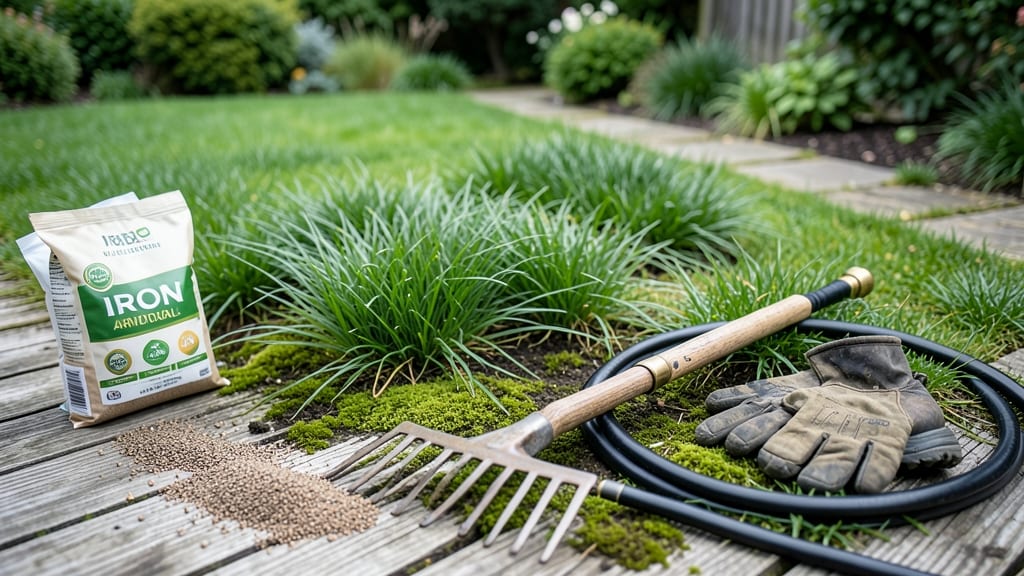
Moss prevention in lawns starts with understanding why it thrives—and it’s rarely what you think. 🌱 I’ve spent years watching moss creep into lawns, only to realize it’s not just a shade problem but a sign of compacted soil, poor drainage, or overwatering.
The good news? Fixing these issues transforms mossy patches into lush, healthy grass without harsh chemicals.
Most people reach for copper-based treatments, but the real solution lies in improving sunlight, aerating compacted soil, and adjusting watering habits. I’ve seen lawns go from 50% moss to 90% green in just two seasons by focusing on these basics.
The key is consistency—small adjustments over time make all the difference.
You’ll learn how to test soil pH, choose the right grass seed for your climate, and time aeration for maximum impact. The results? A lawn that stays vibrant year-round, resists weeds, and handles foot traffic better than ever.
No more hiding moss with mulch or pretending it’s "natural" when it’s actually stealing nutrients from your grass.
Whether you’re dealing with a shady yard, heavy clay soil, or just tired of moss battles, these copper-free methods work for any lawn. Let’s get your grass back in control—without the guesswork.
The Hidden Triggers Behind Moss
Moss thrives where grass struggles—turning your lawn into a lush, velvety carpet in spots where you’d rather see vibrant green blades. But why does it choose those areas? The answer lies in a mix of environmental factors, soil conditions, and even human habits.
Understanding these causes is the first step to reclaiming your lawn. Let’s break down the science behind moss invasion.
Moss spores germinate and grow best in consistently damp or waterlogged soil. Unlike grasses, which need oxygen to thrive, moss can survive in anaerobic (low-oxygen) conditions. Here’s why drainage fails:
- Clay-heavy soil: Compacted clay doesn’t allow water to seep through, creating soggy pockets. Moss detects these moisture-rich zones like a homing beacon. Test your soil: Dig a 6-inch hole—if water pools after rain, you’ve got a drainage issue.
- Low-lying areas: Slopes or depressions in your lawn act as natural sinks, trapping water. Moss often invades these spots first because they stay wet longer.
- Overwatering: While grass needs regular watering, excessive moisture (especially in shaded areas) signals moss to move in. A sprinkler system set too high or frequent light waterings can drown out grass roots.
💡 Pro Tip: Improve drainage by aerating compacted soil in fall or adding organic matter (like compost) to boost water absorption. For low spots, consider redirecting rainwater with swales or French drains.
Grass needs sunlight to photosynthesize and grow. When shade blocks 4–6 hours of direct sun daily, grass weakens, creating gaps where moss slips in. Common culprits:
- Trees and shrubs: Dense canopies cast deep shade, especially in northern exposures (where sunlight is less intense). Moss loves these cool, dark conditions.
- Buildings or fences: Structures block sunlight, turning lawns into moss magnets. Even partial shade (e.g., under a tree’s drip line) can stress grass.
- Thatch buildup: A thick thatch layer (dead grass and debris) blocks sunlight from reaching soil and grass roots, creating a moss-friendly microclimate.
🌡️ Key Stat: Moss grows best in temperatures between 40–70°F (4–21°C)—shady areas stay in this range longer than sunny spots.
Moss prefers acidic soil (pH 4.5–6.0), while most lawn grasses thrive in neutral to slightly alkaline soil (pH 6.0–7.5). Here’s how soil pH shifts against your grass:
| Cause | How It Happens | Moss’s Advantage |
|---|---|---|
| Natural soil composition | Peat-based or sandy soils are naturally acidic. | Moss outcompetes grass in these conditions. |
| Overuse of fertilizers | Excess nitrogen (especially from synthetic fertilizers) can acidify soil over time. | Grass weakens; moss fills the void. |
| Decomposing organic matter | Leaves, pine needles, or mulch break down into acidic humus. | Moss thrives in the resulting low-pH environment. |
🔍 Test Your Soil: A simple DIY pH test kit (or lab test) will tell you if your lawn is too acidic. If it’s below 6.0, lime (calcium carbonate) can raise the pH—just apply it in fall for best results.
Heavy foot traffic, pets, or machinery compacts soil, crushing grass roots and reducing air and water flow. This creates the perfect moss playground:
- Reduced oxygen: Compacted soil suffocates grass roots, leaving bare spots where moss can take hold.
- Poor nutrient uptake: Grass struggles to access water and fertilizer in dense soil, weakening its defense against moss.
- Physical damage: Areas with high traffic (like play zones or pet paths) develop thin grass, inviting moss to colonize.
👨🍳 Fix It: Aerate your lawn in spring or fall using a core aerator (not just spike tools). This pulls out soil plugs, allowing air, water, and nutrients to reach roots.
Moss doesn’t need much to survive—just moisture and shade. Grass, however, demands nitrogen, phosphorus, and potassium to stay competitive. When your lawn is malnourished:
- Slow growth: Weak grass can’t outcompete moss for space.
- Thin coverage: Patchy lawns leave gaps where moss spores land and grow.
- Poor recovery: After mowing or drought, grass struggles to bounce back, while moss bounces forward.
📊 Check Your Routine: Are you fertilizing too little (leaving grass starved) or too much (burning roots)? A soil test will reveal deficiencies—then adjust with a balanced, slow-release fertilizer (like 24-4-8) in early spring.
Fixing Moss Problems Naturally
Moss might seem like a harmless green carpet, but it can slowly take over your lawn, crowding out grass and signaling deeper issues. The good news? You can reclaim your yard with easy, copper-free solutions tailored to the root cause.
Below, we break down the most common reasons moss thrives—and how to reverse the damage while keeping your lawn lush and healthy.
Cause: Moss loves shade, thriving where grass struggles. Dense tree canopies or tall fences block sunlight, creating damp, low-light conditions perfect for moss spores.
Fix It:
- ✂️ Trim or thin trees – Prune branches to let more sunlight reach the ground (even 3–4 hours of direct light helps).
- 🌿 Rake & aerate – Break up compacted soil and moss layers to improve airflow. Use a lawn aerator in spring or fall.
- 💡 Plant sun-loving grasses – Mix in fine fescue or creeping red fescue, which tolerate shade better than Kentucky bluegrass.
Prevention Tip: 🌡️ Mow high (3–4 inches) to shade out moss naturally—taller grass blocks light to moss spores.
Cause: Moss flourishes in wet, poorly draining soil. Heavy clay, low-lying areas, or overwatering create the perfect moss paradise.
Fix It:
- 🔥 Improve drainage – Core aerate (rent a machine or hire a pro) to create channels for water escape. Add organic matter (compost or peat moss) to sandy or clay-heavy soil.
- 🚰 Adjust watering habits – Water deeply but less often (1–1.5 inches per week). Avoid daily light sprinkles, which keep soil soggy.
- 🏗️ Level low spots – Fill depressions with a sand-and-compost mix to prevent water pooling.
Prevention Tip: ✨ Install a French drain in problem areas if water consistently pools after rain.
Cause: Moss thrives in acidic soil (pH below 6.0). If your lawn’s soil is too sour, grass weakens while moss spreads.
Fix It:
- 📊 Test your soil – Use a DIY pH test kit (available at garden centers) or send a sample to a local extension office.
- 🧪 Raise pH naturally – Sprinkle garden lime (calcium carbonate) in fall or early spring. Follow package rates—too much can harm grass!
- 🍂 Add compost – A 2–3 inch layer of compost (not mulch) helps buffer soil pH over time.
Prevention Tip: 💡 Avoid peat moss—it lowers pH further. Use composted bark or leaf mold instead.
Cause: Heavy foot traffic, pets, or machinery compress soil, cutting off oxygen and nutrients to grass roots—moss moves in.
Fix It:
- 👨🍳 Aerate aggressively – Rent a core aerator (spring or fall) to pull out soil plugs. For small lawns, a manual aerator works.
- 🌱 Overseed immediately – After aerating, spread high-quality grass seed (choose shade-tolerant blends if needed).
- 🛠️ Top-dress with sand/compost – Mix equal parts sand and compost, spread ¼ inch thick, and lightly rake in.
Prevention Tip: ⏰ Walk on wood chips or boards to avoid compacting paths in your lawn.
Cause: If moss is already established, smothering or tearing it out can damage grass roots if not done right.
Fix It:
- 🔥 Dry it out – Skip watering for 2–3 weeks in summer to let moss desiccate (works best in hot, dry spells).
- 🧹 Rake or scrape – Use a stiff rake to pull up moss after it’s dry. Avoid digging deep—you want to expose soil, not uproot grass.
- 🌱 Reseed bare spots – After removal, overseed with grass seed and lightly top-dress with compost.
Prevention Tip: 🎯 Apply corn gluten meal (a natural pre-emergent) in early fall to block moss spores—no chemicals needed!
Final Thought: 🌿 Moss isn’t all bad—it’s a sign your lawn needs love. By fixing shade, drainage, pH, and compaction, you’ll crowd out moss naturally and grow a thicker, greener lawn in its place.
Start with one fix at a time, and soon, your yard will be moss-free and vibrant—without harsh chemicals!
Frequently asked questions
Why does moss spread faster in shady areas of my lawn?
Moss thrives in shade because it requires only 2-3 hours of sunlight daily to grow, while most grasses need 4-6 hours. Shady spots stay cooler and damper longer, creating ideal conditions. Dense tree canopies or buildings block sunlight, weakening grass roots and leaving gaps for moss to colonize.
Can I kill moss without using chemicals like copper sulfate?
Try these natural methods: Dry it out by skipping water for 2-3 weeks in summer, or rake up dry moss with a stiff rake. For prevention, apply corn gluten meal in early fall to block spores. These approaches work just as effectively without harming your lawn or pets.
How often should I aerate my lawn to prevent moss?
Aerate once per year in spring or fall using a core aerator (not spike tools). This creates channels for air, water, and nutrients to reach roots, reducing compaction that moss loves. For high-traffic areas, aerate twice yearly—spring and fall—for best results.
Will lime really help with moss problems?
Yes, if your soil is too acidic (pH below 6.0). Lime raises pH to 6.5-7.0, creating conditions grass prefers. Apply ½ pound per 100 sq ft in fall, then retest soil in spring. Just avoid overapplying—too much lime can harm grass.
What's the best grass seed to plant after removing moss?
Choose shade-tolerant varieties like fine fescue or creeping red fescue if your lawn is partially shaded. For sunny areas, Kentucky bluegrass or tall fescue work best. Always overseed after aerating and use a high-quality blend for best coverage.