
Lawn
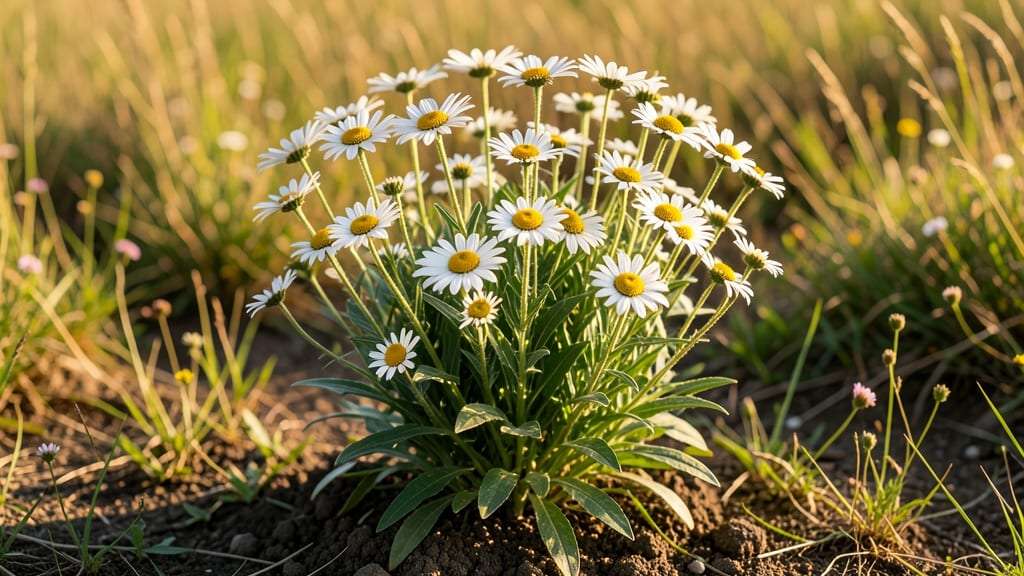
Daisies in the lawn aren’t just weeds—they’re nature’s way of turning your yard into a cheerful, low-maintenance meadow. 🌼 I’ve watched them pop up after a single season of intentional neglect, transforming dull grass into a blooming carpet that lasts from spring through frost. The secret?
They thrive where grass struggles, turning your lawn into a pollinator paradise without extra work. Most people mow them down without realizing daisies need less care than grass—they handle drought, poor soil, and foot traffic better. Start by letting a few bloom naturally, then scatter seeds in bare spots.
Within a year, you’ll have a self-sustaining display that outshines any manicured lawn. The flowers even reseed themselves, so once established, they’re virtually maintenance-free. What you’ll end up with is a lawn that looks intentional, not forced—bright white and yellow blooms that catch sunlight differently every day.
Kids love them, bees adore them, and you’ll spend less time mowing. The only challenge? Resisting the urge to mow too short, which cuts off next year’s blooms. Works in any climate where daisies grow naturally, from sunny backyards to shady edges.
Let’s turn your grass into a garden without the work!
Natural Spread Through Seeds
Daisies (often Bellis perennis or Leucanthemum species) thrive in lawns because they’re master seed spreaders. Their lightweight, wind-dispersed seeds can travel up to 10 feet from the parent plant, landing in cracks, bare patches, or even your neighbor’s yard.
Here’s why this happens—and how biology turns your lawn into a daisy buffet:
Daisies rely on anemochory, the fancy term for wind dispersal. Their seeds are tiny, fuzzy, and lightweight, designed to hitch rides on breezes.
Even a gentle wind can carry them far, ensuring they colonize new areas. Actionable tip: If your lawn has thin spots, daisy seeds will exploit them like a vacuum cleaner—fill gaps with grass seed to block their entry.
Daisies love weak spots in your turf. Thin grass, compacted soil, or bare patches create the perfect conditions for their seeds to germinate. Why?
Because daisies are opportunistic pioneers—they outcompete slow-growing grasses in disturbed soil. Pro tip: Overseed bare areas in early fall (when daisies are less aggressive) to crowd them out before they take root.
Daisies thrive in full sun (6+ hours/day) and shallow soil where grass struggles. If your lawn has:
- Poor drainage → Grass roots suffocate, but daisies tolerate wet feet.
- Low mowing height (below 2–3 inches) → Shades out grass but leaves daisies unharmed.
- High foot traffic → Compacts soil, making it easier for daisy seeds to sprout.
Fix it: Adjust your mower to 3–4 inches in summer to shade out weeds, and aerate compacted areas to help grass recover.
Some common lawn practices accidentally create daisy paradises. For example:
| Mistake | Why Daisies Love It | Solution |
|---|---|---|
| Over-fertilizing with high nitrogen | Grass grows fast but weakens; daisies steal nutrients. | Use a balanced 10-10-10 or slow-release fertilizer in early spring. |
| Skipping core aeration | Compacted soil = less grass, more daisy real estate. | Aerate twice a year (spring/fall) to loosen soil. |
| Watering too deeply or infrequently | Deep watering encourages daisy roots; infrequent watering stresses grass. | Water 1 inch per week (early morning) for deep, even moisture. |
Daisy seeds can germinate in as little as 5–10 days under ideal conditions (warm soil, moisture). Compare that to cool-season grasses, which take 2–4 weeks to establish.
This speed gives daisies a first-mover advantage in any disturbed soil. 💡 Pro move: Pre-emergent herbicide in early spring (before daisy seeds sprout) can block their takeover.
Revive Your Lawn’s Beauty
Daisies may bring cheerful blooms to your lawn, but unwanted spread or patchy growth can turn your yard into a wildflower meadow instead of the lush landscape you envisioned. The good news? With the right approach, you can reclaim your lawn’s charm while keeping those cheerful daisies in check.
Below, we’ll tackle common issues—from stubborn weeds to sparse blooms—and provide practical, step-by-step solutions to restore balance.
---
If daisies are taking over and crowding out your grass, it’s time to regain control without resorting to harsh chemicals.
**🔥 Pull or Dig Them Out (Best for Small Patches) - When: Early morning or late evening (daisies are less active and easier to remove). - How: - Use a weeding tool or your hands to grasp the daisy at the base. - Pull firmly in an upward motion to remove the entire root. - For stubborn roots, a small trowel or fork works well. - Pro Tip: 💡 Check for baby daisies (pups) growing around the parent plant—remove these too to prevent regrowth.
🍳 Spot-Treat with Vinegar (Organic Option) - When: On a dry, wind-free day (vinegar can harm nearby plants). - How: - Mix 1 gallon of white vinegar + 1 cup dish soap + 1 cup salt in a spray bottle. - Spray directly on daisy leaves (avoid grass). - Reapply every 3–5 days until they wilt and die. - Caution: This method kills all plants it touches—use carefully around desirable flowers.
👨🍳 Prevent Regrowth with Mulch (Long-Term Solution) - When: After removing daisies. - How: - Apply a 2–3 inch layer of mulch (straw, wood chips, or grass clippings) over bare spots. - Mulch blocks sunlight, preventing new daisies from sprouting. - For lawn areas, overseed with grass seed to fill gaps.
---
If your daisies are struggling to thrive, they might need better soil, water, or sunlight.
🌡️ Improve Soil Health (Foundation for Blooms) - Test Your Soil: Use a DIY soil test kit (available at garden centers) to check pH and nutrient levels. - Amend the Soil: - For acidic soil (pH < 6.0): Mix in lime to raise pH. - For alkaline soil (pH > 7.5): Add sulfur or peat moss to lower pH. - Add compost (2–3 inches) to improve drainage and fertility. - Pro Tip: 🌱 Daisies love well-draining soil—avoid heavy clay by mixing in sand or perlite if needed.
💦 Water Wisely (Consistency is Key) - When: Water deeply 1–2 times per week (early morning is best). - How Much: Aim for 1–1.5 inches of water per week (including rainfall). - Avoid: Shallow, frequent watering, which encourages weak roots and weed growth.
☀️ Ensure Proper Sunlight (Daisies Need Light) - Ideal: Full sun (6+ hours of direct sunlight daily). - Fix: If your lawn is shady, consider moving daisies to sunnier spots or choosing shade-tolerant varieties like Oxeye Daisies.
---
Keep your daisies blooming beautifully without the hassle by following these easy upkeep strategies:
- 🎯 *Mow High:** Set your lawnmower to 3–4 inches to encourage deep roots and discourage weeds. - 🔪 *Deadhead Regularly:** Snip spent blooms to redirect energy into new flowers (use clean shears to avoid disease). - 🌡️ *Fertilize Lightly:** Use a balanced, slow-release fertilizer (10-10-10) in early spring—daisies don’t need heavy feeding. - 🚫 *Avoid Over-Tilling:** Daisies have shallow roots—tilling too deeply can harm them.
Instead, top-dress with compost annually.
--- Final Thought: With a little effort, your lawn can strike the perfect balance—vibrant daisies where you want them and a lush, weed-free backdrop** to showcase their beauty. Start with one fix, observe the results, and adjust as needed. Happy gardening! 🌼✨
Frequently asked questions about daisies in the lawn
Are daisies actually weeds, or can they be part of a beautiful lawn?
Daisies aren't weeds—they're wildflowers that thrive in sunny lawns! They bring pollinators like bees and butterflies while requiring less water and care than grass. Many gardeners intentionally plant them for their cheerful blooms and self-seeding nature. The key is managing their spread so they don't overpower your grass.
How do I stop daisies from spreading everywhere?
Start by mowing higher (3–4 inches) to shade out weeds, then overseed bare patches in early fall when daisies are less aggressive. For stubborn spots, pull them early in the morning when soil is moist, or use a vinegar spray (1 gallon vinegar + 1 cup dish soap) on individual plants. Mulching helps block new seeds from sprouting.
Can I plant daisies intentionally in my lawn?
Scatter seeds in spring or early fall after preparing the soil with compost. Choose sunny spots and water lightly until established. For a natural look, let them self-seed—they'll spread beautifully over time. Just deadhead spent blooms to encourage more flowers and prevent unwanted spread to garden beds.
Why do daisies seem to grow better than my grass?
Daisies outcompete grass because they're drought-tolerant, handle poor soil, and grow quickly from seeds. Grass needs consistent watering, proper mowing height (3+ inches), and regular fertilization. Daisies thrive in these "neglected" conditions—think of them as nature's low-maintenance alternative to perfect lawns!
Will daisies come back every year?
Yes! Most daisies are perennials that return annually from their roots. Even if you mow them down, they'll regrow from the base. Some varieties (like Oxeye Daisies) even self-seed prolifically, creating new plants each season. The secret to keeping them is balancing their spread while enjoying their cheerful blooms from spring to frost.