
Lawn
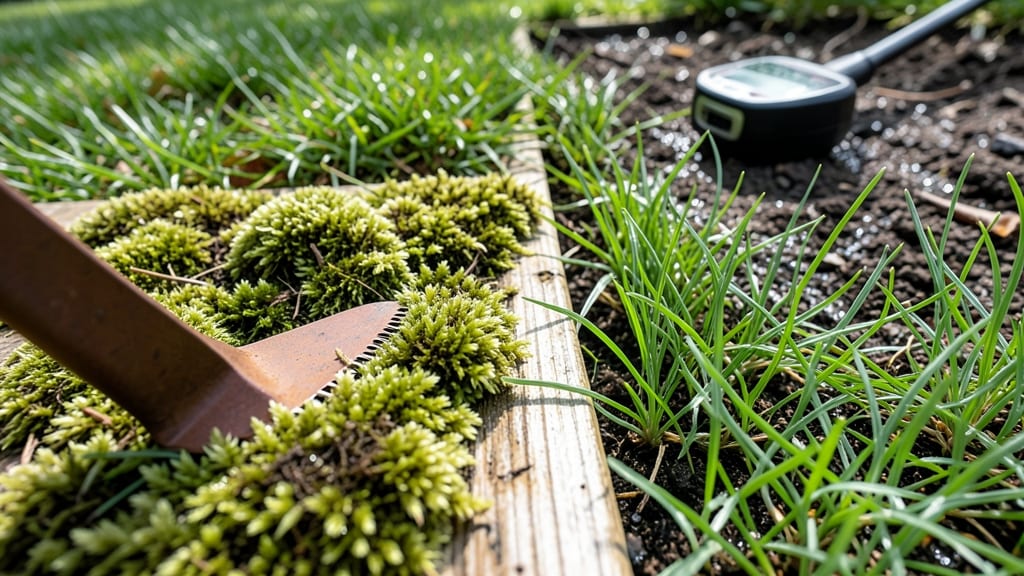
Moss in lawns is bad because it thrives in acidic, compacted, or shaded soil, crowding out grass roots and preventing proper nutrient absorption. While not toxic, it signals poor growing conditions that weaken grass health and invite weeds over time.
Moss isn't just unsightly—it's a red flag for lawn health. 🌱 When moss takes over, it chokes out grass by stealing nutrients and water, while its dense mat prevents air and sunlight from reaching soil. The real issue?
Moss loves acidic, waterlogged conditions that grass can't tolerate, creating a vicious cycle where weak grass attracts more moss. Think of it like a weed that thrives where grass struggles, making your lawn thinner and more prone to weeds over time.
What makes this worse is how quickly moss spreads. A single patch can multiply tenfold in damp seasons, turning your lawn into a sponge-like carpet that's difficult to walk on and nearly impossible to grow grass in.
The good news? Fixing the underlying soil conditions—like improving drainage and adding lime—can starve moss out while giving grass the fighting chance it needs.
💡 In This Article
- Why Moss Spreads in Lawns and How It Harms Grass
- Natural Ways to Remove Moss and Restore Healthy Lawn Soil
Why moss spreads in lawns and how it harms grass
Moss thrives in lawns because it's perfectly adapted to conditions that grass absolutely despises. Unlike grass, which needs well-draining soil with a pH between 6.0 and 7.5, moss flourishes in acidic soil (pH 4.5-5.5) where nutrients like nitrogen and phosphorus become locked away.
This creates a nutrient competition where moss, with its shallow root system, siphons off what little is available, leaving grass roots starving. 🌱
The physical competition gets even uglier. Moss forms dense mats that block sunlight from reaching the soil surface, preventing grass seeds from germinating and established roots from photosynthesizing. Studies show moss can reduce soil temperatures by up to 10°F in shaded areas, further stressing grass.
What's worse, its fibrous structure creates a water-repellent layer that prevents rain from penetrating the soil—exactly what grass needs to grow.
Here's the kicker: moss doesn't just harm grass—it actively degrades soil structure. Its decaying matter creates a thick, spongy layer that compacts over time, reducing air pockets essential for root respiration.
This anaerobic environment produces harmful gases like methane, while beneficial soil microbes get crowded out. The result? Grass roots suffocate in a double whammy of poor nutrition and oxygen deprivation.
Consider this real-world example: In a 2018 University of Georgia study, lawns with 30% moss coverage showed 40% less grass growth compared to moss-free plots.
The researchers found moss patches expanded 25% annually in shaded, compacted areas—meaning what starts as a small problem can become a full-blown lawn takeover in just a few seasons.
What most homeowners miss is how moss signals deeper lawn health issues. Its presence often indicates poor drainage, excessive shade, or improper mowing habits (like cutting too short).
These same conditions create perfect breeding grounds for weeds, which then compete with the already struggling grass. It's a cascading problem where moss is both the symptom and the accelerant.
The visual difference is striking: Healthy grass lawns have vibrant green blades with visible soil between them, while moss-infested areas appear uniformly dull green with a velvety texture that feels damp even when dry.
This isn't just about aesthetics—it's about your lawn's ability to recover from stress like drought or foot traffic.