
Lawn
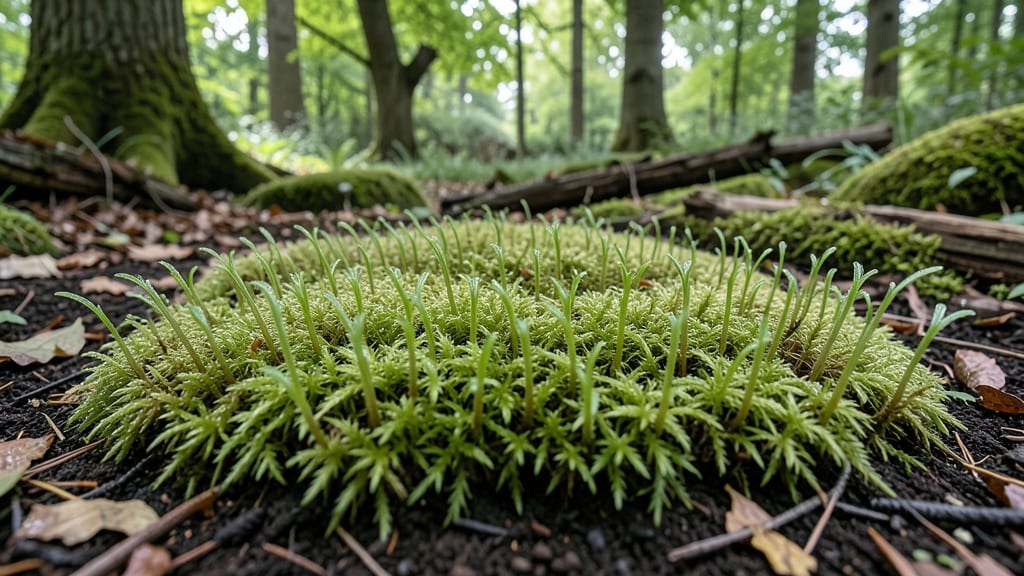
Moss growing in your lawn isn’t just an eyesore—it’s actually telling you something important about your soil and growing conditions. 🌿 That velvety green carpet thrives where grass struggles, often signaling compacted soil, poor drainage, or too much shade. The good news?
It’s also a sign your lawn could benefit from better care, not just removal. The real secret to handling moss lies in understanding why it’s there. Too much moisture, acidic soil, or a thick thatch layer create the perfect conditions for moss to take over while grass roots suffocate.
I’ve seen lawns go from moss-dominated to lush green grass in just one season by fixing these underlying issues—no harsh chemicals needed. What you’ll achieve is a lawn that stays healthy year-round, with grass that crowds out moss naturally.
The key is improving airflow, balancing soil pH, and giving grass a fighting chance through proper watering and overseeding. Think of moss as nature’s way of saying, "Your lawn needs attention." This approach works for both sunny and shady lawns, though the methods adjust slightly based on your climate.
Let’s turn that moss into an opportunity for a stronger lawn—without the guesswork.
📚 In This Guide
- What you need
- Instructions
- Tips and common mistakes
- Wrapping up and next steps
What you need
- ● Rake (Bow or Dethatching Rake) – A sturdy metal-tined dethatching rake (for deep thatch) or a plastic-bladed rake (for lighter moss removal). Size: 18–24" width.
- ○ Lawn Mower (Adjustable Height) – Set to high (3–4 inches) to avoid scalping grass. A mulching mower (optional) helps recycle clippings.
- ● Garden Gloves – Heavy-duty, waterproof gloves (e.g., Mechanix Wear) to protect hands from sharp moss and debris.
- ● Broadcast Spreader – For even distribution of fertilizer, lime, or moss killer. Capacity: 20–50 lbs.
- ● Soil pH Test Kit – Digital or liquid test kit to check acidity (pH 6.0–7.0 is ideal for grass).
- ● Lime (Pelletized or Powdered) – 20–30 lbs (if soil pH is Type: Dolomitic lime (for magnesium).
- ● Fertilizer (High-Nitrogen or Moss Control) – Quick-release: 20-0-5 or 30-0-4 (e.g., Milorganite)
- ● Slow-release: Organic compost or bone meal
- ○ Moss Killer (Optional but Helpful) – Iron-based: Iron sulfate or chelated iron (safe for grass)
- ● Natural: Vinegar (1:1 with water) or hydrogen peroxide (3%)
- ● Water Hose with Adjustable Nozzle – For rinsing and deep watering (1–1.5 inches per week).
- ● Wheelbarrow or Bucket – 5–10 gallon capacity for mixing solutions or hauling debris.
- ● Topsoil or Compost – 2–3 cubic yards (if reseding bare patches).
- ● Grass Seed (Shade-Tolerant Variety) – 2–5 lbs per 100 sq. ft. (e.g., Fine Fescue or Kentucky Bluegrass).
- ● Lawn Aerator (Manual or Mechanical) – Spike or slice aerator to improve soil oxygen.
- ● Soil Conditioner (Gypsum or Wetting Agent) – Helps break up compacted soil.
- ● Knee Pads or Lawn Stool – Because comfort matters when you’re on your hands and knees!
How to manage moss in your lawn for a healthier turf
Moss isn't the enemy—it's nature's way of telling you something's off. Let's fix the underlying issues so your lawn thrives.
🌱 Step 1: Identify Why Moss Appears in Your Lawn
Moss thrives in shady, damp, or compacted areas where grass struggles. Walk your lawn and note the spots where moss dominates—these are your clues. Check for thin grass patches, low sunlight exposure, or poor drainage. I always start by testing soil moisture: if it stays soggy for more than 24 hours after rain, that’s your first problem.
Don’t grab a rake just yet. Moss grows where grass can’t, so fixing the conditions will help both. If your lawn gets less than 4-6 hours of sunlight daily, moss will keep winning. Note these problem areas—they’re where we’ll focus our efforts next.
☀️ Step 2: Improve Sunlight and Airflow
Start by thinning out overgrown trees or shrubs if they’re casting too much shade. Even removing a few branches can make a difference. If you can’t prune trees, consider planting sun-loving grass varieties like Kentucky bluegrass or perennial ryegrass in shady spots—they tolerate low light better than most.
Next, rake the moss gently but thoroughly. Don’t dig deep—just remove the top layer so grass seeds can reach the soil. I like to do this on a dry day when the moss is brittle. After raking, scatter a thin layer of compost or topsoil (about ¼ inch deep) over the bare spots to help grass roots establish.
💧 Step 3: Adjust Watering and Drainage
Moss loves moisture, so let’s change that. Water your lawn deeply but infrequently—1-1.5 inches per week, including rainfall. If your lawn stays soggy, improve drainage by aerating in the fall. Rent a core aerator to pull out small soil plugs, which helps water and air reach the roots.
For problem spots, consider adding a sand topdressing (about ½ inch deep) mixed with compost. This lightens compacted soil and encourages grass to grow where moss once took over. Avoid overwatering—moss will bounce back if the soil stays too wet.
🌿 Step 4: Overseed and Fertilize Strategically
Once the moss is gone and soil is prepped, overseed the bare areas with a shade-tolerant grass mix. Use a broadcast spreader for even coverage, and keep the soil lightly moist for 2-3 weeks until new grass sprouts. I like to fertilize lightly (about ½ pound of nitrogen per 1,000 sq ft) right after seeding to give the grass a boost.
Skip heavy fertilizers at first—they can burn tender new grass. Instead, use a slow-release organic fertilizer to feed the lawn gradually. Moss won’t stand a chance once your grass is thick and healthy. Repeat overseeding in early fall for best results.
⏰ Step 5: Maintain Long-Term Lawn Health
Prevent moss from returning by mowing high (about 3-4 inches) to shade the soil and retain moisture. Regularly aerate compacted areas and top-dress with compost every 6-12 months to keep soil loose and fertile.
If moss keeps creeping back, it’s a sign of deeper issues—like poor soil quality or excessive shade. At that point, consider replacing grass with clover or moss-friendly ground covers in problem spots. A healthy lawn doesn’t need moss to fill in the gaps.
Tips & tricks for eliminating moss and reviving lawn health
These practical insights will help you transform mossy patches into lush, thriving grass without the guesswork.
Diagnostic Tip: When testing soil moisture in Step 1, press your finger about 1 inch into the soil. If it feels cool and remains damp longer than 24 hours after rain, that's your clear sign of poor drainage. I recommend testing multiple spots—what works for one area might not apply to others. This targeted approach prevents wasted effort on areas that don't need intervention.
Timing Secret: The 24-hour moisture test in Step 1 is your baseline. But here's what nobody tells you—test on a cloudy day after light rain. Sunlight can dry surface soil faster, giving you a false reading. I've caught myself rushing this step before and ended up over-aerating areas that didn't need it. Patience here saves you time later.
Equipment Upgrade: For Step 3's aeration, consider renting a core aerator with hollow tines—it creates those crucial soil plugs that improve drainage. If you're working with a large lawn, this is worth the investment. For smaller areas, a manual spike aerator works but requires more effort. Either way, focus on compacted spots first—they're where moss thrives most.
Seasonal Strategy: The early fall timing in Step 5 is perfect because cooler temperatures reduce stress on new grass while warm soil encourages root growth. But here's my pro move: if you're in a warm climate, shift your overseeding to late summer instead. The soil stays warm longer, giving seeds a better chance to establish before winter.
Pro Tips for Moss Growing In The Lawn
- These practical insights will help you transform mossy patches into lush, thriving grass without the guesswork.
- Diagnostic Tip: When testing soil moisture in Step 1, press your finger about 1 inch into the soil.
- Timing Secret: The 24-hour moisture test in Step 1 is your baseline.
Frequently asked questions
Got questions about moss in your lawn? You're not alone!
Here are some of the most common concerns homeowners have—and how to tackle them like a pro.
Is moss in my lawn actually bad?
Not necessarily! While moss isn’t ideal for a lush lawn, it’s often a sign of underlying issues like poor drainage, compacted soil, or low sunlight. Think of it as nature’s way of telling you something needs attention—like a diagnostic tool for your lawn’s health.
When is the best time to remove moss from my lawn?
Spring or early fall are the golden windows for moss removal. The soil is warm but not scorching, giving grass roots a fighting chance to recover. Avoid summer (heat stress) or winter (dormant grass). Pro tip: Rake after rain when moss is soft and easier to lift!
What’s the fastest way to get rid of moss without chemicals?
Try the DIY vinegar method for a natural fix:
- Mix 1 gallon of white vinegar with 2 tablespoons of dish soap in a spray bottle.
- Spray moss directly (avoid grass!) and let sit for 24 hours.
- Rake up the dead moss and reseed bare spots.
For stubborn patches, repeat weekly until gone.
Can moss prevent thatch buildup in my lawn?
Indirectly, yes! Moss thrives in thin, compacted lawns, so removing it reduces thatch pressure by encouraging deeper grass roots. After moss is gone, aerate your lawn and overseed to promote thicker turf—this naturally minimizes thatch over time.
Why does moss keep coming back after I treat it?
Moss is persistent because it loves moist, shady conditions. To break the cycle:
- Improve drainage with sand or compost.
- Thin trees/shrubs to boost sunlight.
- Use a lawn fertilizer with iron to strengthen grass.
Consistency is key—one treatment won’t fix years of neglect.
Wrapping up and next steps
A lush, green lawn isn’t just about curb appeal—it’s about healthy roots, proper drainage, and a thriving ecosystem. 🌱 If moss has taken over, remember: it’s a sign to assess your soil, adjust care routines, and give your grass the love it needs.
The good news? With the right steps—like aerating, overseeding, and improving sunlight—you’ll turn that mossy patch into a vibrant lawn in no time.
Ready to take action? Start small: test your soil this weekend and pick one method from this guide to tackle moss head-on. Your future lawn will thank you! 🌟