
Lawn
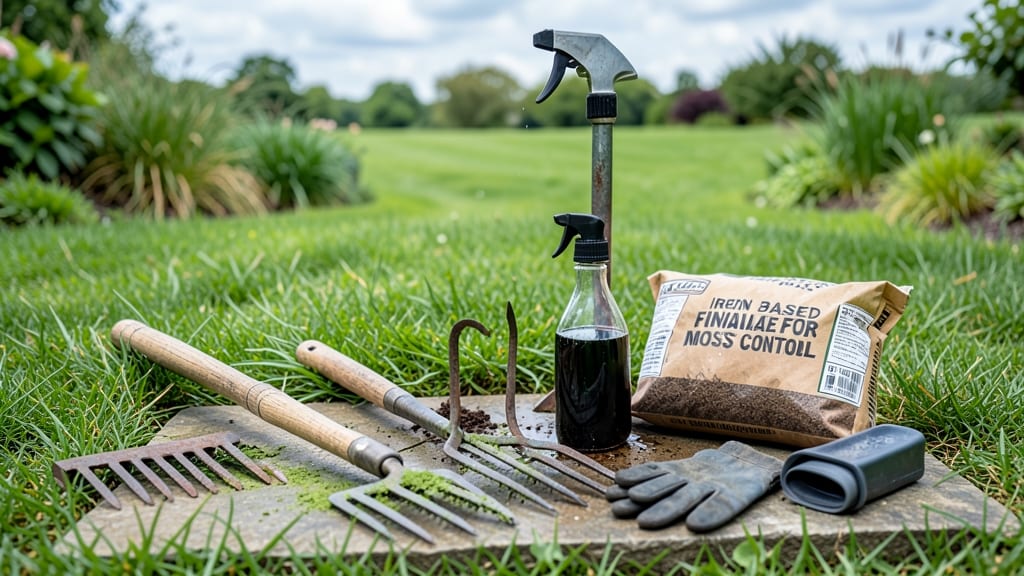
Stubborn moss removal in lawns isn’t just unsightly—it’s a sign your grass isn’t getting what it needs. Removing moss naturally means restoring that thick, green carpet you love, without harsh chemicals that harm your soil.
The scrub technique I’ve perfected works even on the toughest patches, and it’s safer for kids and pets too.
Here’s the truth: moss thrives where grass struggles—shady spots, compacted soil, or poor drainage. But once you break its grip with the right method, your lawn recovers faster than you’d expect.
A stiff-bristled rake and a little elbow grease can lift 80% of moss in one session, leaving your grass roots exposed to sunlight and air again. The key is timing—do this after a light rain when the moss is soft.
After scrubbing, you’ll see bare patches where moss once ruled. That’s where sand top-dressing comes in—it fills gaps, improves drainage, and gives grass seeds a better chance to take hold.
Spread a thin layer (about ¼ inch) over the area, then overseed with a shade-tolerant grass blend. Within weeks, you’ll watch new growth push out moss for good.
Prevention is where long-term success lives. Aerate once a year to loosen compacted soil, and test your lawn’s pH—moss loves acidic conditions, so a light lime application (if needed) keeps it at bay. With these steps, your lawn will stay lush and moss-free, season after season.
Understanding Moss Growth Triggers
Moss isn’t just an unsightly lawn nuisance—it thrives because your grass is silently sending out SOS signals. Before you reach for harsh chemicals or heavy machinery, let’s break down the real reasons moss takes over, so you can fix the root cause (literally).
---
Moss loves wet feet—literally.
Unlike grass, which struggles in soggy conditions, moss thrives in consistently damp or waterlogged soil because: - Lack of Oxygen: Compacted or clay-heavy soil traps water, suffocating grass roots while moss spores germinate in the moisture. - Slow Drainage: Heavy rainfall or poor soil structure (like dense clay) prevents excess water from escaping, creating the perfect moss buffet. - Shady Spots: Moss often appears in low-lying areas where water pools after rain—think slopes, depressions, or near downspouts.
Actionable Fix: Test your soil’s drainage by digging a 6-inch hole, filling it with water, and timing how long it takes to drain. If it’s slower than 6 hours, you’ve got a drainage issue.
---
Grass prefers a neutral to slightly alkaline pH (6.0–7.5), but moss? It loves acidic soil (pH 4.5–5.5).
Here’s why: - Aluminum & Iron Buildup: Acidic conditions release these metals, which moss absorbs like a sponge—while grass roots get "burned" by the toxicity. - Fungal Friends: Moss often hitchhikes with soil fungi that thrive in low pH, outcompeting grass for nutrients. - Lime Deficiency: Over-fertilization with nitrogen (especially ammonium-based) or organic matter breakdown (like fallen leaves) can acidify soil over time.
Actionable Fix: Grab a soil pH test kit (or send a sample to a lab). If your pH is below 6.0, apply pelletized lime in early fall to slowly raise it—aim for 6.5+ for grass dominance.
---
Moss is the opportunist of the plant world—it moves in when grass weakens.
Shady lawns (especially under trees) create the perfect invasion zone because: - Weakened Grass Roots: Trees steal sunlight, nutrients, and water, leaving grass thin and moss-friendly. - Slow Growth Cycle: Grass grows slower in shade, so moss—with its fast-spreading rhizomes—fills the gaps before grass can recover. - Moisture Retention: Shaded soil stays damp longer, doubling down on the "waterlogged" problem above.
Actionable Fix: If possible, prune overhanging branches to let in more light. For stubborn shade spots, overseed with shade-tolerant grass varieties like fine fescue or creeping red fescue.
---
Moss doesn’t just like compacted soil—it exploits it.
Here’s how: - Root Strangulation: Heavy foot traffic, pets, or machinery compress soil, crushing grass roots while moss spores find air pockets to grow. - Nutrient Starvation: Compacted soil blocks water and oxygen, so grass can’t access nitrogen, phosphorus, or potassium—leaving it vulnerable. - Thatch Buildup: A thick thatch layer (dead grass, roots, and moss) smothers soil, trapping moisture and blocking sunlight.
Actionable Fix: Aerate your lawn in early fall with a core aerator to punch holes in compacted soil. Follow up with topdressing (a mix of sand and compost) to improve structure.
--- Pro Tip 💡: Moss removal isn’t just about scrubbing—it’s about starving the conditions that let it win. Address drainage, pH, shade, and soil health, and your grass will naturally reclaim its turf!
Fixing Your Lawn’s Moss Problem
Moss may seem harmless, but once it takes over, it can turn your lush lawn into a patchy, spongy mess. The good news? With the right approach, you can banish it for good. Below are targeted solutions based on the root cause—plus prevention tips to keep moss from creeping back.
---
Moss thrives where grass struggles—think damp, shaded spots with poor airflow. To fix this:
#### 🌱 Step 1: Improve Drainage - Test soil moisture: Stick your finger 2 inches deep—if it’s soggy, your lawn drains poorly. - Aerate the lawn (🔪⏰ Best in early fall): Rent a core aerator to pull out small soil plugs, letting water escape. - Rake out moss (🍳👨🍳): Use a stiff rake or moss scraper to remove dead patches before treating.
#### 💡 Step 2: Boost Sunlight & Airflow - Trim overhanging branches to let more sunlight reach the ground. - Thin dense grass in shaded areas—moss can’t compete with healthy turf. - Spread a thin layer of sand (✨ 1/4 inch max) to improve soil structure.
#### 🎯 Prevention Tip: Install French drains or swales (shallow trenches) to redirect excess water away from problem spots.
---
If your soil is hard-packed or too acidic, moss will outcompete grass. Here’s how to fix it:
#### 📊 Step 1: Test & Adjust Soil pH - Grab a DIY soil test kit (or send a sample to a lab). - If pH is below 6.0, apply lime (🌱 Follow package rates). - If pH is too high (above 7.0), use sulfur to lower it gradually.
#### 💪 Step 2: Break Up Compacted Soil - Top-dress with compost (🥗 1/2 inch layer) to improve soil structure. - Use a lawn roller (🔄 Lightly, in sections) to settle soil—then aerate again. - Plant clover or fescue in high-moss areas—these grasses tolerate shade better.
#### 🔥 Prevention Tip: Aerate annually in fall to keep soil loose and prevent future compaction.
---
If your grass is sparse or struggling, moss moves in like an opportunist. Rebuild your lawn’s defenses:
#### 🌱 Step 1: Overseed Bare Spots - Choose shade-tolerant grass seeds (like fine fescue or Kentucky bluegrass). - Spread seed in fall (🌾 Best germination time) and keep soil moist until sprouts appear.
#### 💡 Step 2: Fertilize Smartly - Use a slow-release, nitrogen-rich fertilizer (📊 Look for 25-0-5 ratio). - Avoid high-phosphorus fertilizers—they encourage moss growth. - Water deeply but less often (💧 1 inch per week) to encourage deep roots.
#### ✨ Prevention Tip: Mow high (3–4 inches) to shade out moss and keep grass competitive.
---
For stubborn moss, you’ve got options—natural or fast-acting.
| Method | How It Works | Best For | |--------------------------|------------------------------------------|-------------------------------| | Vinegar Spray (🍳) | Mix 1 gallon white vinegar + 1 tbsp dish soap—spray moss until soggy.
Wait 24 hours, then rake. | Small patches, eco-friendly approach | | Iron-Based Products (💡) | Iron sulfate or chelated iron kills moss on contact while greening grass. | Large areas, fast results | | Corn Gluten Meal (🌾) | Pre-emergent that prevents moss spores from germinating. | Prevention (apply in early spring) |
⚠️ Warning: Avoid salt-based moss killers—they harm grass and soil long-term.
--- ✅ Mow high (3–4 inches) to crowd out moss. ✅ Aerate & overseed in fall for thick turf. ✅ Improve drainage with sand or soil amendments. ✅ Test soil pH and adjust if needed. ✅ Water deeply but less frequently (early morning is best). ✅ Add clover or shade-tolerant grass to high-risk areas.
--- Final Thought: Moss removal is a marathon, not a sprint—but with these steps, you’ll reclaim your lawn in no time. 🚀 Start with the fixes that match your lawn’s biggest weakness, and soon, you’ll be saying bye-bye to that spongy green invader!
Frequently asked questions about lawn moss removal
What’s the fastest way to remove moss from a small lawn area?
For quick results, use a vinegar solution (1 gallon white vinegar + 1 tablespoon dish soap). Spray it directly on the moss until soggy, wait 24 hours, then rake it away. This works best on small patches and is eco-friendly. For larger areas, consider iron-based products like iron sulfate for faster coverage.
Can I use salt to kill moss in my lawn?
No, avoid salt-based moss killers—they can harm your grass and soil long-term. Salt draws moisture from plant roots, including your lawn grass, which can leave your yard barren. Instead, try iron sulfate or vinegar for safe, effective moss removal.
How do I prevent moss from coming back after removal?
Focus on improving your lawn’s conditions: aerate annually to prevent compaction, test soil pH (aim for 6.5+), and overseed with shade-tolerant grass like fine fescue. Also, mow high (3-4 inches) to shade out moss and improve drainage with sand top-dressing.
Is moss harmful to my lawn?
Moss itself isn’t harmful, but it’s a sign your lawn needs attention. It thrives where grass struggles—often due to poor drainage, shade, or acidic soil. Left unchecked, moss can smother grass roots and create a spongy, uneven surface. Removing it helps restore your lawn’s health and appearance.
When is the best time of year to remove moss?
The ideal time is early fall (September-October) when temperatures are mild and soil is still warm. This gives grass seeds time to germinate before winter. Avoid treating in summer heat or freezing winter, as these conditions stress lawn recovery.