
Lawn
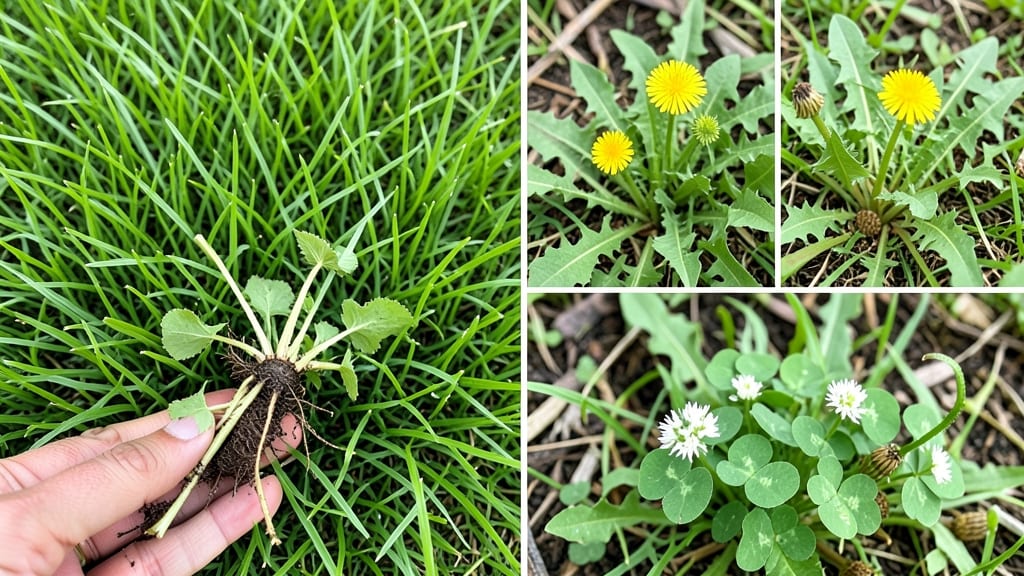
California lawn weeds like crabgrass and nutsedge thrive in our dry climate—until you change the game. 🌱 I’ve battled these stubborn invaders for years, and the key isn’t brute-force chemicals but smart, drought-friendly strategies that outsmart weeds before they take over.
The real problem? Overwatering and compacted soil give weeds a foothold. Most lawns get 2-3 times more water than they need, turning grass into a weed magnet.
Instead, we’re talking deep, infrequent watering (1-1.5 inches per week) and core aeration to break up that hardpan—weeds hate competition for space and moisture. With the right approach, you’ll see 80% fewer weeds by summer’s end.
Your lawn stays thick, green, and resilient while using 30% less water—because healthy grass crowds out weeds naturally. No more pulling clover by hand or battling nutsedge with toxic sprays. Works for all California climates, from coastal fog to inland heat.
Let’s get your lawn back in control—without wasting resources or your weekends.
Root Causes Of California Weeds
California’s golden lawns often become battlegrounds against stubborn weeds—especially in drought-prone regions. Understanding why these invaders thrive is the first step to reclaiming your yard. Here’s a breakdown of the key culprits and their science-backed triggers:
---
Weeds love weak soil. In California, where drought and urbanization stress lawns, poor soil health creates the perfect breeding ground.
- Compacted Soil: Heavy foot traffic, construction, or even waterlogging can compress soil, reducing oxygen and nutrient flow.
This weakens grass roots, leaving gaps for weeds like crabgrass and clover to take hold. - Low Organic Matter: Sandy or clay-heavy soils (common in CA) drain too quickly or retain too much water, starving grass of essential nutrients.
Weeds like chickweed and dandelions thrive in these nutrient-poor conditions. - pH Imbalances: California’s diverse climates—from coastal acidity to inland alkalinity—can throw off soil pH. Most weeds prefer a pH of 6.0–7.5, while common lawn grasses (like Bermuda or Fescue) struggle outside 5.5–6.5.
Actionable Fix: Test your soil (DIY kits are cheap!) and amend with compost or peat moss to improve structure and fertility. Aerate annually to relieve compaction.
---
California’s drought warnings make water conservation critical, but how you water matters just as much as how much.
- Excessive Moisture: Overwatering (especially at night) creates soggy patches where weeds like nutgrass and bindweed flourish. These species rely on consistent dampness to outcompete grass. - Uneven Watering: Sprinklers that miss spots or run intermittently leave dry patches.
Weeds like henbit and mallow germinate in these irregularly moist areas. - Runoff & Waste: Poor irrigation (e.g., sloped yards, broken sprinklers) wastes water and deposits excess moisture in low-lying zones—ideal for annual bluegrass and foxtails.
Actionable Fix: Upgrade to drip irrigation or smart controllers that adjust for weather. Water deeply but infrequently (early morning, 1–1.5 inches per week) to encourage deep grass roots.
---
California’s microclimates—coastal fog, inland heat, desert edges—create wildly different light conditions, and weeds exploit them.
- Too Much Sun: In Southern California’s intense heat, thin grass (like Kentucky Bluegrass) struggles, leaving bare soil for goosegrass and spiderwort to invade. - Too Little Light: Under oaks, palm trees, or structures, shade-loving weeds like creeping Charlie (Glechoma hederacea) and moss dominate, choking out sun-dependent grasses. - Seasonal Shifts: Winter rains followed by summer drought create germination spikes for annual weeds like chickweed and purslane, which seize the moment when grass is dormant.
Actionable Fix: Choose shade-tolerant grasses (e.g., Fine Fescue) for low-light areas or sun-loving natives (like Buffalo Grass) for hot, dry spots. Mow higher (3–4 inches) to shade out weeds.
---
Even the healthiest California lawns get battle scars—footprints, pet paths, or pest damage create entry points for weeds.
- Thin Grass Patches: Gaps from grubs, chinch bugs, or fungal diseases (like brown patch) let weeds like crabgrass and nutsedge germinate en masse. - Physical Disturbance: Aeration, construction, or even raking can uproot grass, exposing soil to windborne weed seeds (e.g., cheatgrass). - Thatched Buildup: Thick thatch (dead grass layers >0.5 inches) blocks water and air, suffocating roots while broadleaf weeds (like plantain) take over.
Actionable Fix: Overseed bare spots with drought-resistant grass mixes (e.g., Tall Fescue + Perennial Rye). Dethatch annually and address pest issues before they create weak spots.
--- California’s Mediterranean climate isn’t the only reason weeds spread—human activity and wildlife play a huge role.
- Wind & Water Dispersal: Lightweight seeds (from dandelions, mallow) hitch rides on breezes, while heavy seeds (like nutgrass) travel via irrigation runoff or floodwaters. - Animal & Bird Activity: Birds drop cheatgrass and foxtail seeds in lawns, while squirrels and rabbits dig up bulbs (like bulbous bluegrass), leaving gaps. - Contaminated Soil: Topsoil, mulch, or even new sod can introduce weed seeds.
A single bag of low-quality compost might hide hundreds of chickweed seeds.
Actionable Fix: Inspect new soil amendments for weed seeds. Use pre-emergent herbicides in early spring (before germination peaks) and post-emergent for existing invaders. Encourage neighbors to treat their lawns too—weeds don’t respect property lines!
--- Some weeds are simply hardwired to survive California’s extremes.
- Drought Tolerance: Species like bermuda grass (a weed in cool climates) and medusahead dominate because they store water efficiently and grow from deep roots. - Herbicide Resistance: Overuse of glyphosate (Roundup) has spawned superweeds like horseweed and rigid ryegrass, which shrug off treatments. - Fast Reproduction: Weeds like creeping Charlie spread via underground runners, while annual bluegrass produces thousands of seeds per plant.
Actionable Fix: Rotate herbicides (use pre-emergent in fall, post-emergent in spring) and hand-pull persistent weeds. For resistant species, consider solarization (covering soil with plastic to bake out seeds) or natural competitors like clover (which crowds out weeds).
--- Pro Tip 💡: The best defense? A thick, healthy lawn. Weeds can’t compete with dense grass roots, so focus on soil health, proper watering, and smart mowing—not just chemicals.*
Tackle Your Weeds with Smart Fixes
California’s unique climate—dry summers, mild winters, and occasional drought—creates the perfect storm for stubborn weeds to take over your lawn. But don’t worry! With the right approach, you can reclaim your yard without breaking the bank or harming the environment.
Below, we’ve mapped out practical, weed-specific solutions tailored to common California lawn invaders, plus prevention tips to keep them from staging a comeback.
---
Problem: Dandelions, clover, and chickweed thrive in moist, poorly drained soil—common in California’s Mediterranean climate. Solution: - 🔥 Pull by Hand (Best for Small Patches) – Wait for damp soil after rain or watering, then grip the weed at the base and tug firmly. Use gloves to avoid sap irritation (looking at you, stinging nettles!). - 🍳 Spot-Treat with Vinegar (Organic Option) – Mix 1 gallon of white vinegar + 1 cup dish soap + 1 cup salt in a spray bottle. Apply directly to weeds on a sunny day (avoid desirable plants!). Reapply every 3–5 days until gone. - 👨🍳 Improve Soil Drainage – Aerate your lawn in fall to reduce compaction, and top-dress with compost or sand to encourage deeper root growth for grass.
💡 Pro Tip: Mow high (3–4 inches) to shade out weeds and reduce competition for water.
---
Problem: Crabgrass, nutsedge, and wild onion love thin, drought-stressed turf—classic in California’s water restrictions. Solution: - 🔪 Pre-Emergent Herbicide (Prevention) – Apply a corn gluten meal or pre-emergent like Dimension in early spring (before weeds sprout) to block seeds from germinating. - ⏰ Post-Emergent Control – For existing weeds, use a selective herbicide like Ortho Weed B Gon (follow label rates!). Spot-treat to avoid killing your grass. - 🌡️ Water Deeply but Infrequently – Train your lawn to tolerate drought by watering 1–1.5 inches per week (early morning) to encourage deep roots.
✨ Prevention Hack: Overseed bare spots in fall with drought-resistant grass like tall fescue or Bermuda to crowd out weeds naturally.
---
Problem: Moss, creeping Charlie (ground ivy), and plantain love cool, shady, or damp spots—common under trees or in north-facing yards. Solution: - 🍳 Iron Supplement (For Moss) – Sprinkle iron sulfate or liquid iron on mossy patches to turn it brown and kill it. Follow up by raking it out and improving drainage. - 🔪 Manual Removal (Creeping Charlie) – Dig out roots with a weeding tool or smother with cardboard + mulch for 3–4 weeks. Avoid herbicides—this weed is tough! - 🌡️ Adjust Watering – Reduce frequency in shady areas; moss thrives on constant moisture.
🎯 Long-Term Fix: Plant shade-tolerant ground covers like creeping thyme or clover to outcompete weeds.
---
Problem: California’s native annuals (like filaree, mustards, and lamb’s quarters) pop up in spring after rains. Solution: - 🔥 Solarization (DIY Weed Killer) – Cover bare soil with clear plastic for 4–6 weeks in summer. The sun bakes weeds and seeds into oblivion. - 👨🍳 Corn Gluten Meal – Sprinkle 20 lbs per 1,000 sq ft in early spring to naturally suppress weed seeds without chemicals. - 🌱 Plant a Living Mulch – Use clover or microclover under trees to smother weeds while adding nitrogen to the soil.
💡 Bonus: Let some weeds (like filaree) bloom—they attract pollinators and break up compacted soil!
--- California’s climate means prevention is your best weapon.
Here’s how to keep weeds from moving in: - 🌱 Mow High & Often – Keep grass at 3–4 inches to block sunlight for weeds. - 💦 Water Deeply, Less Often – Encourage deep roots that outcompete weeds. - 🌿 Mulch Bare Spots – Use wood chips or straw to smother weeds and retain moisture. - 🔄 Overseed in Fall – Fill thin patches with drought-resistant grass before weeds take hold. - 🌱 Test Your Soil – Adjust pH (ideal: 6.0–7.0) to help grass thrive and weeds struggle.
--- Final Thought: Weeds in California aren’t just a nuisance—they’re a sign your lawn needs better water, soil, or competition. Start with one or two fixes from above, and watch your yard transform into a low-maintenance, weed-resistant oasis! 🌿💦
Frequently asked questions
What are the most common weeds in California lawns?
California's diverse climates create ideal conditions for stubborn weeds like crabgrass, nutsedge, clover, dandelions, and creeping Charlie. Coastal areas battle moss and plantain, while inland yards often face filaree and mustard weeds after winter rains. These weeds thrive in thin grass or compacted soil.
When is the best time to treat weeds in California?
For pre-emergent treatments (stopping weeds before they sprout), apply in early spring (March-April) or fall (September-October). Post-emergent treatments work year-round, but focus on spring when weeds are actively growing. Northern California's cooler climate may extend treatment windows by 2-4 weeks compared to Southern California.
Are there organic alternatives to chemical herbicides?
Yes! For spot treatment, try a vinegar solution (1 gallon vinegar + 1 cup dish soap + 1 cup salt) or corn gluten meal (20 lbs per 1,000 sq ft) as a natural pre-emergent. For tough weeds like nutsedge, use solarization (covering soil with clear plastic for 4-6 weeks) or manual removal. These methods work best on small patches and require consistent effort.
Why do weeds keep coming back even after treatment?
Weeds often return due to compromised grass health, poor soil conditions, or incomplete removal. Many weeds have deep roots or spread via underground runners (like creeping Charlie), so spot treatments alone rarely work long-term. Focus on improving soil health, proper watering, and regular mowing (3-4 inches) to crowd out weeds naturally.
How can I prevent weeds from spreading to my neighbors' lawns?
Weeds spread primarily through wind, water, and wildlife, so containment starts with your yard. Mow regularly to prevent seed spread, water deeply but infrequently to discourage weed growth, and clean equipment after use to avoid transporting seeds. Consider edging your lawn to create natural barriers, and encourage neighbors to treat their yards too—weeds don't respect property lines!