
Lawn
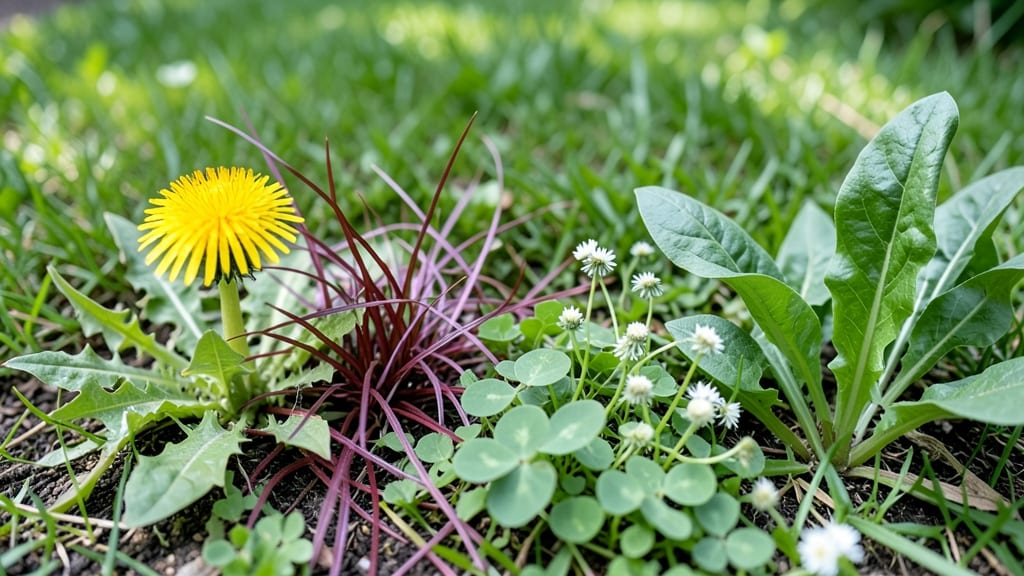
Your New Jersey lawn is under siege by these 10 common NJ lawn weeds—each one fighting for space, sunlight, and nutrients. 🌱 I’ve spent years battling crabgrass, creeping Charlie, and clover, and I know how quickly they can turn a lush green yard into a patchwork of unwanted invaders.
The key to reclaiming your lawn starts with knowing exactly what you’re up against and when to strike.
Most NJ weeds thrive because they adapt faster than grass—crabgrass spreads in summer heat, dandelions pop up in early spring, and clover dominates compacted soil. The good news? Each has a weak spot: timing, targeted removal, or smothering competition.
I’ll show you how to identify them by leaf shape, growth pattern, and even the time of year they appear, so you can tackle them before they take over.
By the end, your lawn will look thicker, greener, and weed-free—no more pulling stubborn roots or watching your efforts disappear overnight. We’ll cover organic methods like vinegar sprays and corn gluten meal, plus when chemical control makes sense. The secret? Consistency and knowing the right moment to act.
Whether you’re dealing with a single stubborn dandelion or a full-blown creeping Charlie takeover, this guide gives you the tools to win. Let’s get your lawn back—and keep it that way for good.
📚 In This Guide
- What you need
- Instructions
- Tips and common mistakes
- Wrapping up and next steps
What you need
- ● Garden gloves (1 pair) – Nitrile or leather for durability and comfort.
- ● Hand weeder or dandelion digger (1-2) – Look for sturdy, ergonomic designs for easy extraction.
- ● Hoe or weed puller (1) – Adjustable or stiff-handled for better leverage.
- ● Pruners or shears (1 pair) – For cutting tougher weeds at the base.
- ○ Broadcast spreader (optional but handy) – For even herbicide or pre-emergent application.
- ● Garden sprayer (1) – 1-2 gallon capacity with a pump or backpack option.
- ● Pre-emergent herbicide (1-2 bottles) – Choose a product labeled for lawn weeds (e.g., corn gluten meal or pendimethalin).
- ● Post-emergent herbicide (1-2 bottles) – Selective (for broadleaf weeds) or non-selective (for all weeds) like glyphosate (use carefully!).
- ● Lawn rake (1) – For clearing debris and loosening soil post-treatment.
- ● Watering can or hose attachment – For activating pre-emergent or rinsing tools.
- ● Weed identification guide or app – Snap pics of weeds for quick ID (e.g., PlantNet or iNaturalist).
- ● Vinegar + dish soap mix (DIY herbicide) – 1 gallon vinegar + 1 oz dish soap (for spot treatment only).
- ● Mulch or landscape fabric – To smother weeds in garden beds.
- ● Knee pads or cushion – For comfort during long sessions.
- ● Trash bags (1-2) – For disposing of pulled weeds (don’t compost them!).
How to identify and remove NJ's most stubborn lawn weeds
Here's my battle-tested approach to spot and eliminate the 10 weeds ruining NJ lawns every season.
🌱 Step 1: Learn the Top 10 NJ Weeds by Sight and Season
Start by familiarizing yourself with the most common offenders in your state. Crabgrass appears as brownish, finger-like spikes in late spring, while dandelions show their bright yellow blooms in early spring. Broadleaf plantain has long, ribbed leaves that form a rosette close to the ground, and clover forms three-leaf clusters with white or pink flower heads.
I recommend making a simple chart with photos of each weed and noting when they typically appear. For example, henbit blooms in early spring with purple flowers, while nutsedge sends up triangular stems that look like little umbrellas. Knowing their life cycles helps you time your attacks for maximum effectiveness.
🔍 Step 2: Inspect Your Lawn Systematically
Break your lawn into sections and walk slowly, looking for color breaks in the grass. Weeds often appear as small green patches in early spring or brown spots in summer. Pay special attention to edges, driveways, and shady areas where weeds thrive. I like to do this after mowing when the grass is dry and weeds stand out more clearly.
Use a small hand trowel to carefully dig up suspicious plants to check their roots. Some weeds like creeping charlie send out long, creeping stems underground, while others like chickweed have thin, thread-like roots. This helps you identify the weed before deciding on treatment. I keep a small bag to collect samples for later identification if needed.
✂️ Step 3: Choose the Right Removal Method for Each Weed
For broadleaf weeds like dandelions and plantain, I pull them by hand when the soil is moist—this makes the roots easier to extract. Use a weed puller or fork for deep-rooted weeds like clover and creeping charlie to avoid breaking off the roots. For grassy weeds like crabgrass and nutsedge, spot-treat with a selective herbicide labeled for your lawn type.
For persistent weeds like chickweed or henbit, I apply a vinegar-based herbicide in late fall when weeds are actively growing but before they go dormant. Always follow label instructions carefully, and avoid treating when rain is forecasted within 24-48 hours. I mark treated areas with small flags to avoid retreating the same spot.
🌿 Step 4: Prevent Regrowth with Cultural Controls
After removing weeds, improve your lawn's health to discourage regrowth. Overseed thin areas in early fall with a high-quality grass seed mix matched to your lawn type. Mow at 3-4 inches tall to shade out weed seeds and maintain a thick turf. I also apply a slow-release fertilizer in early spring and fall to keep grass competitive.
Water deeply but infrequently—1 inch per week—to encourage deep root growth in your grass. This makes it harder for weeds to establish. I set my sprinklers to water in the early morning to reduce evaporation and fungal issues. Mulch bare spots with compost or straw to smother weed seeds and retain moisture.
📅 Step 5: Schedule Year-Round Maintenance
Create a seasonal weed control calendar. In early spring, apply a pre-emergent herbicide to stop crabgrass and other grassy weeds. In late spring, hand-pull broadleaf weeds before they set seed. Summer is the time to spot-treat any new weeds and keep your lawn mowed regularly.
Fall is the best time for overseeding and aeration—this strengthens your grass so it can outcompete weeds next season. I also apply a winterizer fertilizer in November to give grass roots a boost. By following this schedule, you'll see fewer weeds each year as your lawn becomes healthier and more resilient.
Tips & tricks for perfect NJ lawn weed eradication
These battle-tested strategies will help you tackle weeds like a pro and keep your lawn looking lush all season long.
Seasonal Timing is Everything: The 24-48 hour window after rain is ideal for hand-pulling weeds because the moist soil makes roots easier to extract. I've found that pulling weeds in the early morning—when dew is still present—gives me the best results. This timing also prevents weeds from reseeding, which is especially important for dandelions and plantain that spread aggressively.
Root Inspection Technique: In Step 2, when you're digging up suspicious plants, look for the "root signature" of each weed. Creeping charlie's roots can spread up to 3 feet underground, so if you see long, creeping stems, you'll know you need to dig deeper. For chickweed, those thin, thread-like roots mean you might need to pull them multiple times to prevent regrowth. I keep a small notebook to track which weeds I've found in different areas of the lawn.
Herbicide Application Strategy: When using vinegar-based herbicides in late fall, I always apply them on a calm day when rain isn't forecasted within 24-48 hours. The acid in vinegar works best when it can fully penetrate the weed's leaves without being diluted. For spot treatments, I use a small spray bottle to target individual weeds precisely—this prevents damaging your grass while still eliminating the weeds effectively.
Preventive Maintenance Calendar: Mark your calendar for early spring pre-emergent herbicide application and late spring hand-pulling sessions. I set reminders on my phone for these key times because missing them can mean the difference between a weed-free lawn and one overrun with crabgrass. The early fall overseeding and winterizer fertilizer application are just as critical—they strengthen your grass so it can outcompete weeds naturally.
Pro Tips for Common Nj Lawn Weeds
- These battle-tested strategies will help you tackle weeds like a pro and keep your lawn looking lush all season long.
- Seasonal Timing is Everything: The 24-48 hour window after rain is ideal for hand-pulling weeds because the moist soi...
- Root Inspection Technique: In Step 2, when you're digging up suspicious plants, look for the "root signature" of each...
Frequently asked questions
Got questions about tackling those pesky NJ weeds? You’re not alone!
Here are answers to the most common concerns homeowners face when dealing with lawn invaders.
What’s the best time of year to treat weeds in my NJ lawn?
For pre-emergent control (like crabgrass), apply in early spring (March–April) or fall (September–October) before weeds sprout. Post-emergent treatments work year-round but are most effective in late spring/summer when weeds are actively growing. Timing matters!
Can I use vinegar or natural remedies to kill weeds instead of chemicals?
Yes! A vinegar solution (1 gallon vinegar + 1 oz dish soap) works on small weeds like dandelions or chickweed, but it’s non-selective—it’ll also harm grass. For spot treatment, try boiling water or corn gluten meal (a natural pre-emergent). Just know: chemical herbicides are often more effective for stubborn weeds like nutsedge or poison ivy.
How long does it take to see results after applying herbicide?
Results vary by weed and product. Fast-acting herbicides (like glyphosate) may show wilting in 24–48 hours, but full death can take 1–3 weeks. Pre-emergent herbicides work preventatively—you won’t see weeds, but they’ll stay suppressed for months. Patience is key!
Why do weeds keep coming back even after I treat them?
Weeds often return due to deep root systems (like dandelions), seed banks in soil, or incomplete coverage during treatment. Try reapplying herbicide or hand-pulling stubborn weeds (especially in fall). Improve lawn health with proper watering, mowing, and fertilization to crowd out weeds naturally.
Are some NJ weeds more dangerous than others?
Most common NJ weeds (like clover or plantain) are nuisances, but a few pose risks:
- Poison ivy ( “Leaves of three, let it be”) – Causes skin rashes.
- Stinging nettle – Leaves deliver painful stings.
- Giant hogweed – Rare but causes severe burns in sunlight.
Wrapping up and next steps
Dealing with common NJ lawn weeds doesn’t have to feel like a losing battle—armed with the right knowledge and tools, you can reclaim your yard with confidence! 🌱 From crabgrass to dandelions, each invader has its weakness, and now you’re ready to tackle them head-on. Start small: pick one or two weeds to target first, then expand your efforts as you gain momentum.
Ready to take action? Grab your gloves, gather your supplies, and roll up your sleeves! Your dream lawn is just a few steps—and a little elbow grease—away. Need a refresher? Bookmark this guide and revisit it before your next yard work session.