
Lawn
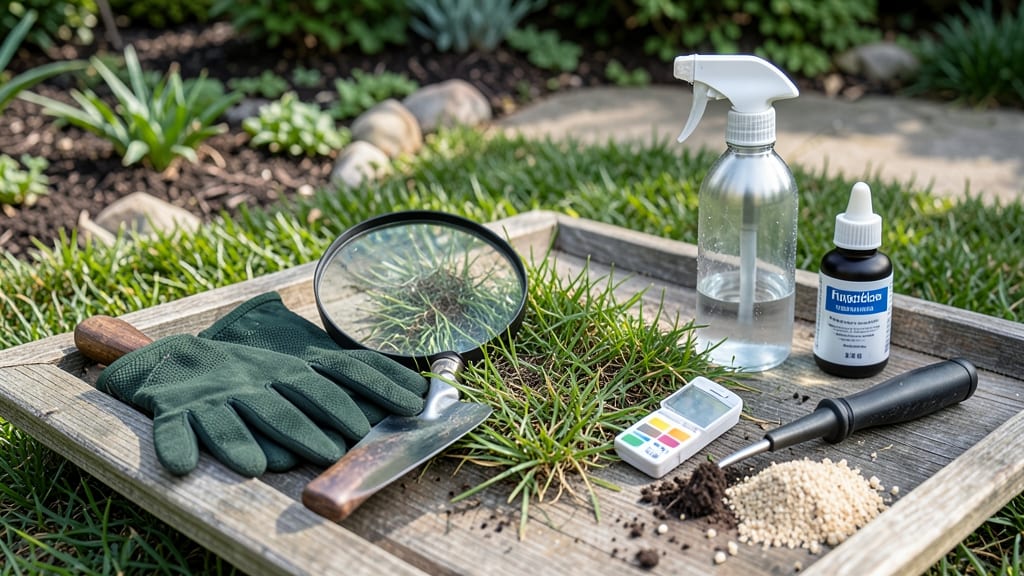
Those stubborn dark green patches in your lawn might look healthy at first glance—but they’re often the first sign of fungal blight. 🌱 I’ve battled this exact problem in my own yard, and the baking soda spray solution saved my lawn from looking like a science experiment gone wrong.
What starts as small, velvety patches can spread quickly if you ignore them, leaving you with a lawn that’s more trouble than it’s worth.
The real culprit is usually a fungal infection like dollar spot, thriving in damp, shaded areas where air circulation is poor. Overwatering, thick thatch, or even just mowing too low can turn your lawn into the perfect fungal buffet.
The good news? You don’t need expensive chemicals to fix it—a simple baking soda spray (mixed with water and a drop of dish soap) can stop the spread in its tracks and restore that crisp, even green you’re after.
Within a week of treatment, you’ll notice the patches fading and new grass filling in—no more mystery spots ruining your yard’s appearance.
The key is consistency: apply the spray every 7-10 days until the patches disappear, and don’t forget to adjust your watering habits to keep the lawn dry enough to discourage future outbreaks.
This method works for most fungal lawn issues, but if the patches keep coming back or spread aggressively, it might be time to dig deeper (literally) into your soil’s health or call in a pro.
Either way, you’ll walk away with a lawn that looks as good as it feels underfoot—no more guessing games about what’s wrong.
Root Causes Of Uneven Lawn Color
Dark green patches in your lawn can be as frustrating as they are mysterious—especially when they appear seemingly overnight. 🌱 Before you reach for that baking soda spray, it’s crucial to pinpoint the exact reason behind these unsightly spots.
Here’s a breakdown of the most common culprits, explained in plain terms with actionable insights.
Fungi thrive in damp, shaded, or nutrient-rich conditions, turning your lawn into a buffet. The most common offenders include:
- Dollar Spot Fungus: Causes small, straw-colored patches with dark green borders. It spreads rapidly in humid weather and loves thin grass.
- Brown Patch (Rhizoctonia): Leaves behind circular, dark green or purplish patches with a "smoky" appearance. Thrives in hot, humid nights.
- Gray Leaf Spot: Produces oval patches with grayish centers and dark green edges. Common in warm, wet climates.
Why it happens: Fungi spores lurk in soil and thatch, waiting for the perfect storm—consistent moisture, poor airflow, and weak grass. Overwatering or compacted soil creates the ideal breeding ground. Pro tip: 🌡️ If patches appear after heavy rain or dew, fungi are likely the culprit.
While fertilizer feeds your lawn, excess nitrogen can cause dark green patches by promoting rapid, uneven growth. This often happens when:
- You apply fertilizer too frequently (e.g., every 2–3 weeks instead of seasonally).
- Grass clippings aren’t properly removed, leading to thatch buildup and nutrient imbalance.
- Slow-release fertilizers are overused, causing "burn" in sensitive grass types like Kentucky bluegrass.
Why it happens: Nitrogen encourages leafy growth but starves roots if applied improperly. Dark green patches form where grass grows faster than it can absorb nutrients, leading to weak, patchy areas. Pro tip: ✨ Test your soil before fertilizing—overdoing it is a fast track to an unhealthy lawn.
Both underwatering and overwatering can create dark green patches, but the mechanisms differ:
| Issue | Cause | Result |
|---|---|---|
| Overwatering | Frequent light watering (e.g., daily sprinklers) or poor drainage. | Promotes fungal growth, root rot, and suffocates grass. Dark green patches appear where water pools. |
| Underwatering | Inconsistent watering (e.g., drought stress or uneven sprinkler coverage). | Grass turns brown but may recover unevenly, leaving dark green "survivor" patches. |
Why it happens: Grass reacts to water stress by prioritizing survival. Overwatered areas suffocate, while underwatered spots force grass to go dormant—until a random patch gets just enough moisture to "pop" back green. Pro tip: 💡 Water deeply 1–2 times per week (1–1.5 inches) and check for soggy spots—if water pools, fix drainage.
A thatch layer (dead grass, roots, and debris) thicker than ½ inch blocks water, air, and nutrients from reaching soil. Dark green patches often form where thatch is uneven:
- High-traffic areas where grass is compacted.
- Shaded spots with slow decomposition.
- Lawns with excessive clippings left behind.
Why it happens: Thatch acts like a sponge—trapping moisture and heat at the surface. This creates microclimates where fungi and weeds thrive, while grass beneath struggles. Pro tip: 🔥 Dethatch in early fall with a rake or vertical mower if the layer exceeds ½ inch.
Grubs, chinch bugs, and other pests munch on roots, leaving dark green patches where grass appears healthy but is secretly starving. Look for:
- Sponge-like turf that pulls up easily.
- Increased bird or animal activity (they’re snacking on grubs!).
- Patches that worsen in late summer.
Why it happens: Pests target weak grass first, creating hotspots of uneven growth. Dark green patches form where pests are least active, while surrounding grass yellows from root damage. Pro tip: 🔪 Dig up a small patch—if you see white grubs, treat with milky spore or nematodes.
Fix Dark Lawn Spots Naturally
Now that you’ve identified the cause of those stubborn dark green patches in your lawn, let’s tackle them with targeted solutions. Whether it’s fungal blight, moss, or nutrient overload, these fixes are practical, eco-friendly, and designed to restore your lawn’s health without harsh chemicals.
Prevention tips are included to keep those patches from returning!
---
Fungal blight thrives in damp, shaded areas, turning your lawn into a splotchy mess. Here’s how to banish it for good:
#### 🔥 Step 1: Improve Airflow & Reduce Moisture Fungi love humidity, so break up thatch (the layer of dead grass and roots) with a rake or dethatching tool.
Aim for a thatch layer no thicker than ½ inch. If your lawn is prone to shade, consider thinning out trees or bushes to let sunlight in.
#### 🍳 Step 2: DIY Baking Soda Spray (Safe & Effective) Mix 1 tablespoon of baking soda + 1 teaspoon of liquid dish soap + 1 gallon of water in a spray bottle. Why it works: Baking soda raises the pH slightly, creating an unfavorable environment for fungi, while dish soap helps it stick to grass blades. - Spray the affected areas early in the morning (when humidity is high but dew hasn’t fully evaporated). - Reapply every 7–10 days until the patches fade (usually 2–4 weeks). - ⚠️ Avoid overuse—too much baking soda can harm soil pH long-term.
#### 👨🍳 Step 3: Fungicide Boost (If Needed) For severe cases, use a copper-based fungicide (like copper sulfate) or a neem oil spray (1 tbsp neem oil + 1 quart water + a drop of soap). These are organic, pet-safe options that disrupt fungal spores without killing beneficial microbes.
#### 🌡️ Prevention Tips - Water deeply but less often—early morning is best to allow grass to dry quickly. - Aerate compacted soil annually to improve drainage. - Mow high (3–4 inches) to strengthen grass and reduce fungal entry points.
---
Moss thrives in acidic, shady, or compacted soil, often mimicking dark green patches. To eliminate it:
#### 🔪 Step 1: Scrape or Rake It Out Use a stiff rake or garden fork to remove moss from the lawn. If it’s deeply rooted, scrub with a wire brush or apply a moss killer (like iron sulfate or vinegar spray—see below).
#### 🍹 Step 2: DIY Moss Killer Spray Mix 1 part white vinegar + 1 part water + 1 teaspoon dish soap in a spray bottle. Vinegar’s acidity kills moss on contact while the soap helps it cling. - Spray generously on mossy areas, then let sit for 24 hours before rinsing. - For stubborn moss, repeat weekly until gone.
#### 🌱 Step 3: Reseed & Improve Soil After moss is gone, overseed with shade-tolerant grass (like fine fescue) and top-dress with compost to raise the pH (moss loves pH below 6.0). - Apply lime (if your soil test confirms acidity) to adjust pH to 6.5–7.0. - Aerate to loosen compacted soil and encourage grass roots.
#### 🎯 Prevention Tips - Install a rainwater diverter to reduce soggy spots. - Plant ground covers (like clover) in heavily shaded areas to outcompete moss. - Test soil pH annually—keep it neutral to slightly alkaline.
---
Too much nitrogen (or uneven application) can cause dark, spongy patches where grass turns thick and weak. Here’s how to correct it:
#### 📊 Step 1: Flush the Soil If you’ve recently over-fertilized, water deeply (1–2 inches) to leach excess nutrients from the root zone. This prevents further damage.
#### 🥗 Step 2: Adjust Fertilizer Routine - Switch to slow-release fertilizer (like organic compost or pelletized chicken manure) to avoid spikes. - Follow the "Rule of 3": Apply fertilizer 3 times per year (spring, summer, fall) with 1 month between applications. - Use a soil test (available at garden centers) to determine exact nitrogen needs.
#### 💪 Step 3: Strengthen Grass Recovery - Mow higher (3–4 inches) to reduce stress on weakened grass. - Aerate and overseed with a drought-resistant grass type (like tall fescue). - Apply a light layer of compost to improve soil health naturally.
#### ✨ Prevention Tips - Split fertilizer applications into smaller doses instead of one heavy feeding. - Water after fertilizing to help nutrients absorb evenly. - Avoid fertilizing in extreme heat—grass goes dormant and burns easily.
---
No matter the cause, these year-round habits keep dark patches at bay: - Mow regularly (never remove more than ⅓ of the blade height at once). - Dethatch annually if your lawn has thick thatch. - Rake up debris (like fallen leaves) to prevent fungal buildup. - Rotate grass types if your lawn struggles in certain areas (e.g., shade vs. sun).
--- Final Thought: Patience is key—some fixes (like moss removal or fungal treatment) take 4–6 weeks to show full results. Stick with it, and your lawn will bounce back lusher and healthier than ever! 🌱✨
Frequently asked questions
Why do dark green patches appear suddenly in my lawn?
Sudden dark green patches often signal fungal infections like dollar spot or brown patch, which thrive in damp, shaded conditions. Overwatering, thick thatch, or compacted soil create perfect breeding grounds. These fungi spread quickly when humidity is high, turning healthy grass into patchy, uneven growth overnight.
Can baking soda really fix fungal lawn spots?
Yes! A baking soda spray (1 tbsp baking soda + 1 tsp dish soap + 1 gallon water) disrupts fungal growth by raising soil pH slightly. Apply early morning to affected areas every 7–10 days. For severe cases, combine with copper-based fungicides or neem oil for faster results.
Are dark green patches always caused by fungi?
Not always. They could also stem from excess nitrogen (fertilizer burn), moss growth in shady areas, or uneven watering. Test your soil pH and watering habits—if patches appear after rain or fertilizer, those are likely culprits. A simple soil test kit can clarify the issue.
How long does it take to see improvement after treatment?
With consistent baking soda sprays or fungicide applications, you’ll typically see noticeable improvement in 2–4 weeks. For moss or nutrient-related patches, reseeding and soil amendments may take 4–6 weeks
When should I call a professional?
If patches spread aggressively despite treatment, appear year after year, or if you suspect grubs/pests (check by pulling up turf—white grubs indicate pest damage), it’s time to consult a lawn care pro. Severe fungal infections or soil compaction often require professional aeration or soil testing.