
Lawn
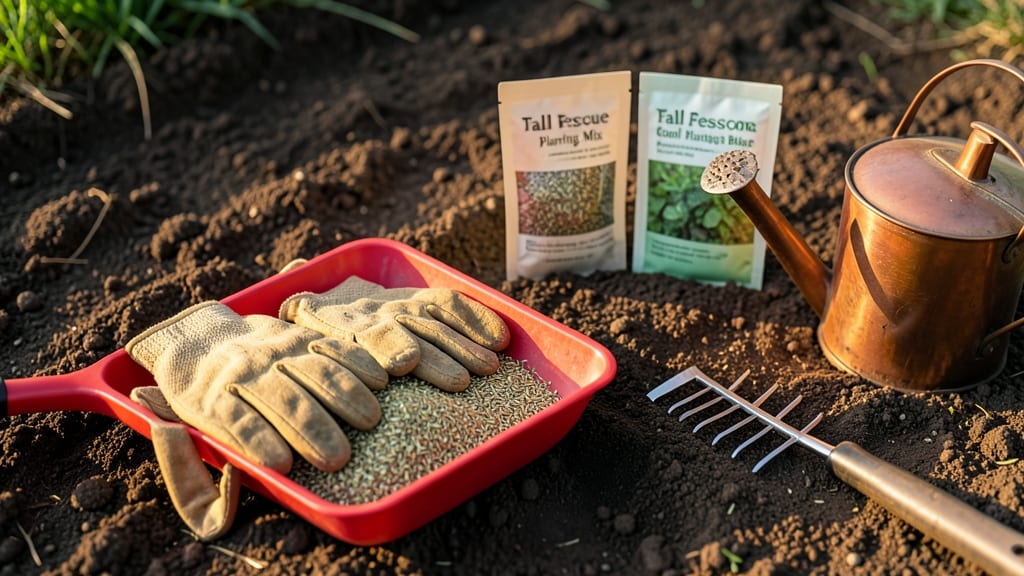
Sowing lawn seed in October gives your grass a 6-week head start before winter dormancy, but timing and seed choice make all the difference in Zone 6.
Picture this: You’ve spent weeks prepping the soil, only to wake up to a frost warning two weeks after planting. That’s why October isn’t just any fall month—it’s the sweet spot between summer’s heat and winter’s freeze, when cool temps and steady rain help seeds germinate without stress.
Cold-hardy varieties like tall fescue and perennial ryegrass thrive in these conditions, while warm-season grasses like Bermuda struggle. The key? Planting 4-6 weeks before your first frost (around November 15 in Zone 6) ensures roots establish before the ground freezes.
In this guide, I’ll walk you through the best seed types for your region, step-by-step planting tips, and how to protect your new lawn from winter’s worst—so you’re mowing a thick, green carpet next spring, not patching bare spots.

Best cold-hardy lawn seed varieties for October planting
Fall is the perfect time to plant lawn seed because cooler temperatures and increased rainfall create ideal conditions for seed germination and root development. Choosing the right cold-hardy varieties ensures your lawn survives winter dormancy and emerges stronger in spring.
The key is selecting seeds that thrive in fall planting zones and establish roots before the ground freezes.
Not all grass types handle October planting equally. Cool-season grasses like fescue, ryegrass, and bluegrass dominate fall planting because they germinate quickly in 50-65°F soil and tolerate light frost.
These varieties also resist disease pressure better than warm-season grasses, which struggle in cooler weather. Let’s break down the top performers for a resilient, winter-ready lawn.
| Variety | Germination Temp (°F) | Cold Hardiness (USDA Zone) | Growth Speed | Best For |
|---|---|---|---|---|
| Tall Fescue | 50-70°F | 3-9 | Moderate (14-21 days) | Drought resistance, shade tolerance |
| Fine Fescue | 45-65°F | 3-8 | Slow (21-28 days) | Shady lawns, low-maintenance |
| Perennial Ryegrass | 50-70°F | 4-9 | Fast (7-14 days) | Quick cover, high traffic |
| Kentucky Bluegrass | 50-65°F | 3-7 | Moderate (14-21 days) | Lush appearance, sunny areas |
Tall fescue is my top recommendation for October planting because it germinates reliably in cool soil temperatures and develops a deep root system before winter. It thrives in USDA Zones 3-9, making it versatile for most northern and central regions. Plus, its drought resistance means less stress during dry spells in early spring.
If your lawn gets partial shade, fine fescue is the best choice. It handles cooler temperatures better than most grasses and establishes slowly but steadily, reducing weed competition. For homeowners in Zones 3-8, this variety is ideal for areas where other grasses struggle to grow.
Need a lawn that fills in quickly? Perennial ryegrass germinates in just 7-14 days, making it perfect for repairing bare spots or establishing new lawns before winter sets in.
It’s also highly cold-tolerant, surviving down to -30°F in dormant states. However, it requires more frequent mowing to maintain its appearance.
Kentucky bluegrass is the classic choice for a lush, green lawn but needs consistent moisture to thrive. It germinates well in October and establishes a dense turf, but it’s less drought-tolerant than fescue. This variety excels in full sun and Zones 3-9, making it a favorite for traditional lawns in temperate climates.
For northern climates (Zones 3-5), consider mixing tall fescue with perennial ryegrass for faster coverage and better cold tolerance. In southern regions (Zones 6-9), fine fescue or tall fescue blends work well, especially in areas with cooler winters.
Always check the seed label for regional suitability to avoid disappointment.
When selecting seeds, look for certified cold-hardy blends that include multiple grass types. These mixes often combine the strengths of fescue, ryegrass, and bluegrass to create a resilient lawn.
For example, a blend labeled for fall overseeding will typically include 60% tall fescue and 40% ryegrass for optimal results.
Pro tip: Test your soil’s pH level before planting. Most cold-hardy grasses prefer a pH of 6.0-7.0. If your soil is too acidic or alkaline, amend it with <
October lawn seed planting timeline: when and how to sow for maximum success
October is one of the best months to plant lawn seed because cooler temperatures and increased rainfall create ideal conditions for germination. The key is planting 4-6 weeks before your first frost—this gives seeds time to establish roots before winter dormancy.
In USDA Zones 5-8, aim for early to mid-October, while warmer zones (9-10) can extend planting into November.
Timing isn't the only factor—soil temperature and moisture play critical roles. Seeds need soil temps between 50°F and 70°F for optimal germination. If your soil is too cold, germination slows or stops entirely. Let's break down the exact steps to ensure your lawn seed thrives this fall.
- 🌡️ Step 1: Check Soil Temperature – Use a soil thermometer to confirm temps are between 50°F-70°F. If cooler, wait 1-2 weeks.
- 🌱 Step 2: Prepare the Soil – Remove debris, loosen top 2-3 inches of soil, and mix in 2-3 inches of compost for nutrients.
- 💧 Step 3: Seed Selection – Choose cool-season grasses like tall fescue or ryegrass for fall planting.
- ⏳ Step 4: Plant at the Right Depth – Lightly rake seeds into soil ¼ inch deep for even coverage.
- 🌧️ Step 5: Water Immediately – Apply ½ inch of water daily for the first 2 weeks to keep soil moist.
- 🌿 Step 6: Monitor & Maintain – Reduce watering to 1 inch per week once germination occurs (7-14 days).
- ✂️ Step 7: First Mow in Spring – Wait until grass reaches 3-4 inches before mowing to avoid damaging roots.
One common mistake is planting too late in October, especially in colder zones. If seeds don’t germinate before frost, they’ll rot or fail to establish. Another pitfall is overwatering, which can wash seeds away or cause fungal growth. Always water gently with a fine mist setting on your sprinkler.
After germination, focus on light fertilization in early spring to encourage growth. Avoid heavy feeding in fall, as it can promote tender growth that won’t survive winter. Mulch lightly with straw to retain moisture and protect seedlings from temperature swings.
By following this timeline, your lawn will establish deep roots before winter, giving it a head start in spring. With the right care, you’ll see thicker, greener grass by next summer—without the stress of summer planting.