
Planting
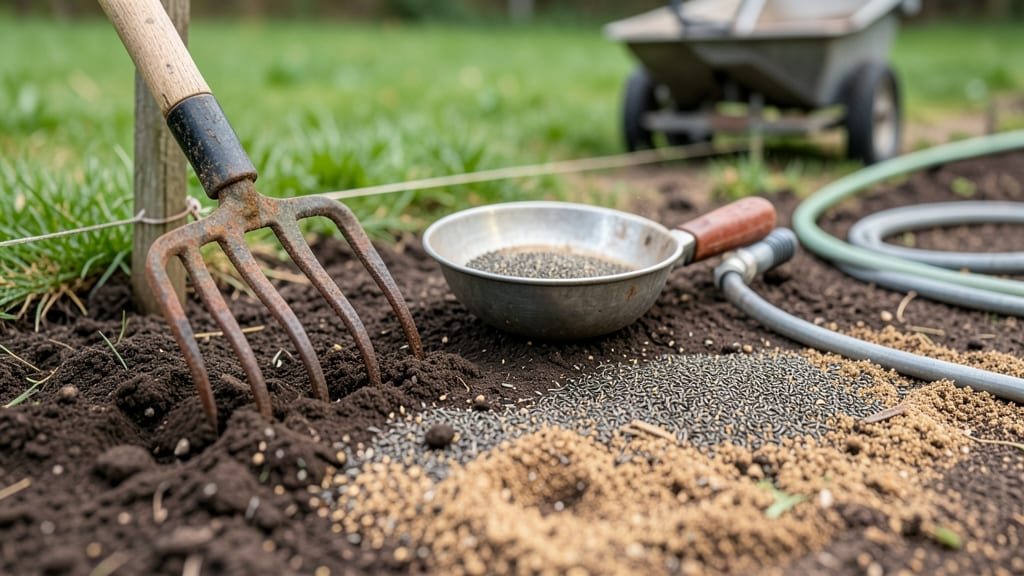
Sowing lawn seed in autumn gives grass roots the perfect head start for spring. 🌱 The cooler temperatures and consistent moisture mean fewer weeds, better germination, and a lawn that outpaces summer plantings by miles.
I learned this the hard way—my spring sowing struggled with heat and weeds, but autumn lawns have been my secret weapon for years.
Fall’s ideal window is 4-6 weeks before your first frost, when soil stays warm enough for seeds to sprout but cool enough to prevent drought stress. In temperate zones, that’s late August through October, while cooler climates can stretch into November.
The key is choosing cold-hardy seed blends like fescue or ryegrass that thrive in winter conditions.
You’ll end up with a lawn that greens up earlier, stays dense through summer, and recovers faster from foot traffic. The secret? Lightly raking in seed, keeping soil moist (but not soggy), and avoiding heavy foot traffic for 4-6 weeks.
Weeds struggle to compete, and roots establish deep before winter’s chill.
Works for both new lawns and patchy areas—just adjust seed rates for overseeding. Here’s how to time it right for your climate and avoid common pitfalls like sowing too late or skipping soil prep.
📚 In This Guide
- What you need
- Instructions
- Tips and common mistakes
- Wrapping up and next steps
What you need
- ● High-quality lawn seed: Choose a cool-season grass mix (e.g., Kentucky Bluegrass, Fescue, or Ryegrass) suited to your climate. Aim for 5–10 lbs per 1,000 sq ft, depending on coverage goals.
- ● Lawn fertilizer: A slow-release, autumn-specific blend (e.g., 10-0-20 or 12-0-12) with 0.5–1 lb of nitrogen per 1,000 sq ft to fuel root growth.
- ○ Soil amendment (optional but helpful): Compost (1–2 inches spread evenly) to improve soil texture and nutrients.
- ● Topsoil or sand (if your soil is heavy clay or overly sandy).
- ● Lawn rake: A bendable steel-tine rake (8–12 inches wide) to level soil and remove debris.
- ● Broadcast spreader: For even seed distribution (manual or rotary-style for larger areas).
- ○ Hand spreader (optional): Useful for small patches or edging.
- ● Garden hose with adjustable nozzle: For gentle watering (avoid high pressure that washes away seed).
- ○ Straw or peat moss (optional): Lightly cover seed with ¼ inch to protect it from birds and wind.
- ● Soil test kit (recommended): Check pH and nutrient levels—ideal pH for cool-season grass is 6.0–7.0.
- ● Clear the area: Remove weeds, rocks, and debris. Use a weed killer (like glyphosate) 4–6 weeks before sowing if needed.
- ● Mow existing grass short: If overseeding, trim grass to 1–1.5 inches to improve seed-to-soil contact.
- ● Check weather forecast: Aim to sow 4–6 weeks before first frost for optimal germination.
- ● Irrigation plan: Commit to watering lightly 2x daily (morning and evening) for the first 2–3 weeks.
Step-by-Step instructions for sowing lawn seed in autumn
Autumn’s mild temperatures and steady rains create perfect conditions for grass roots to establish deep and strong.
🌱 Step 1: Prepare the Soil for Planting
Start by removing any existing weeds or debris from the area using a rake. You want a clean canvas for your new grass to grow. Next, loosen the top 4 inches of soil with a garden rake or tiller. This helps roots penetrate easily and prevents compaction that can choke young seedlings.
Test the soil pH—ideal for most lawn grasses is between 6.0 and 7.0. If your soil is too acidic or alkaline, add lime or sulfur as needed before planting. You’ll know the soil is ready when it crumbles easily between your fingers and looks dark and rich.
🌿 Step 2: Spread Fertilizer and Seed Evenly
Apply a starter fertilizer designed for new lawns, following the package instructions for coverage rates. This gives your grass a nutrient boost right from the start. Use a broadcast spreader for even distribution—walk in a crisscross pattern to avoid missing spots or overapplying in one area.
Next, spread the lawn seed evenly over the soil. For most grass types, aim for about 10-12 pounds per 1,000 square feet. Lightly rake the seed into the soil to ensure good soil-to-seed contact, but don’t bury it too deep—just enough to cover it lightly. This helps prevent birds from scattering the seed and ensures moisture reaches the soil below.
💧 Step 3: Water Gently and Consistently
Water the seeded area immediately after planting to settle the seed into the soil. Use a gentle spray nozzle to avoid displacing the seed. Keep the soil moist but not soggy—you want the top 1-2 inches of soil to stay damp at all times. Watering lightly twice a day (morning and evening) is ideal, especially during dry spells.
You’ll know you’re doing it right when the soil surface looks slightly damp but not glistening with excess water. Avoid heavy watering, which can wash away the seed. Within 7-10 days, you should see the first signs of germination—tiny green shoots pushing through the soil.
☀️ Step 4: Maintain Moisture and Protect New Growth
Continue watering consistently for the first 4-6 weeks until the grass reaches about 2-3 inches tall. This is critical for root development. Once the grass is established, you can gradually reduce watering to encourage deeper root growth, but avoid letting the soil dry out completely.
If birds or pets become a problem, cover the area lightly with a breathable landscape fabric or straw mulch until the grass is well-rooted. This protects the seed without smothering it. You’ll notice the grass thicken and fill in more uniformly as it matures, especially if you mow it at the recommended height once it reaches 3-4 inches.
Tips & tricks for perfect autumn lawn planting
Autumn's ideal conditions make this the best time to lay down new grass—here's how to set yourself up for success.
Soil Prep Matters: Don't skip the 4-inch loosening in Step 1—this creates the perfect environment for roots to establish. I've seen lawns fail when soil was too compacted. Test your pH before planting; if it's outside 6.0-7.0, adjust now. A simple soil test kit from your garden center makes this easy. The goal is soil that crumbles like cake crumbs between your fingers.
Seed Distribution Secret: In Step 2, walk in opposite directions when spreading seed to avoid streaks. I learned this the hard way—my first attempt had patchy coverage. For large areas, use a spreader with a settings guide to maintain the 10-12 pounds per 1,000 square feet rate. Lightly rake after spreading to create seed-to-soil contact without burying—think of it as tucking the seed in gently, not covering it with a blanket.
Watering Wisdom: That twice-daily watering in Step 3 is crucial during dry spells. Use a gentle rain setting on your hose to avoid displacing seed. I set a timer for 10-minute sessions in the morning and evening—just enough to keep the top 1-2 inches consistently damp. A moisture meter helps track soil dampness, especially if you're unsure about rainfall amounts.
Protection Strategy: If birds are a problem, cover the area with lightweight straw mulch after planting. I've used chicken wire over straw for stubborn bird problems—it keeps them out while still allowing sunlight and water through. Just remove it once you see those first green shoots around day 7-10.
Pro Tips for Sowing Lawn Seed In Autumn
- Autumn's ideal conditions make this the best time to lay down new grass—here's how to set yourself up for success.
- Soil Prep Matters: Don't skip the 4-inch loosening in Step 1—this creates the perfect environment for roots to establ...
- Seed Distribution Secret: In Step 2, walk in opposite directions when spreading seed to avoid streaks. I learned this...
Frequently asked questions
Got questions about sowing lawn seed in autumn? You’re not alone! Here are some of the most common concerns—and their answers—to help you get started with confidence.
When is the exact best time to sow lawn seed in autumn?
The ideal window is 4–6 weeks before your first hard frost (typically late August to early October in most U.S. zones). This gives seeds time to germinate and establish roots before winter slows growth. Check your local frost dates to fine-tune timing!
Can I still sow lawn seed if frost is already here?
If frost has arrived, hold off until spring—seeds won’t germinate in freezing temps. However, if you’re in a mild-winter zone (like Zones 7–10), you might still have a few weeks to plant. Just cover seeds with frost cloth if overnight temps dip below 40°F.
Is autumn seeding really cheaper than spring?
Yes! Seed costs are often 20–30% lower in autumn because demand drops. Plus, fewer weeds compete with your grass, and you’ll skip the hot, dry spring planting struggles. It’s a win for your wallet and your lawn’s health.
What if my soil is still too warm or dry?
Test soil temps—aim for 50–65°F for optimal germination. If it’s too warm, water deeply to cool it down. If dry, irrigate before sowing to help seeds make contact with moisture. A light mulch (like straw) can also retain humidity.
Will squirrels or birds eat my new lawn seed?
These critters love fresh seed. Use seed tape or scatter seed by hand in small patches to reduce exposure. A thin layer of straw or a lightweight bird netting (temporarily) can also deter them without harming your lawn.
Can I overseed an existing lawn in autumn?
Yes! Autumn is perfect for overseeding thin or patchy lawns. Mow short, rake out debris, and spread seed evenly. Water lightly twice daily for the first 2 weeks to encourage germination. Just avoid overseeding if your lawn has fungal issues—wait until spring.
Wrapping up and next steps
Autumn is the perfect time to sow lawn seed—cooler temperatures, fewer weeds, and ideal moisture create the ideal conditions for strong grass roots. By following the steps outlined here, you’ll set the stage for a lush, resilient lawn by spring. 🌱
Ready to take action? Grab your supplies, mark your calendar, and start sowing before the first frost! Your future lawn will thank you—one seed at a time.
- Next step: Check your local frost dates and begin prepping your soil today!