
How To
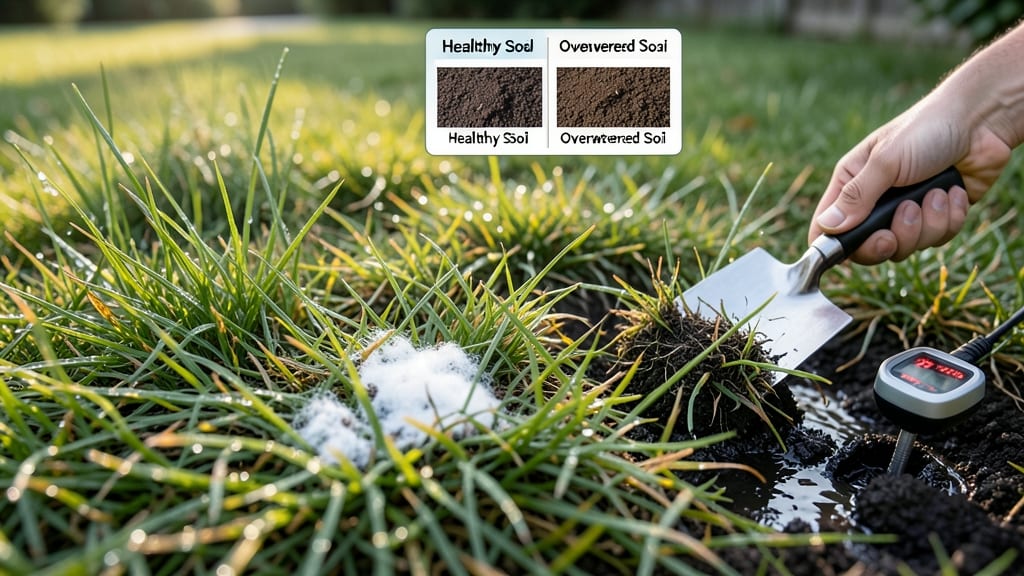
How to tell if your lawn is overwatered—it’s not just about thirsty grass, but drowning roots. Your lawn might be suffocating in water, not drinking it. 🌱 Overwatering creates soggy patches, yellowing grass, and even fungal growth—signs that kill roots faster than you think. I’ve fixed more lawns than I can count by simply adjusting watering schedules and improving drainage. The first clue? Grass that stays dark green even after rain—it’s not healthy, it’s suffocating. Roots need air, not a swamp. Check soil moisture by digging a 4-inch hole; if it’s wet, cut back watering immediately. Fungal diseases like brown patch or dollar spots appear as circular dead patches, often after heavy watering. Within a week of proper care, you’ll see roots breathing again and grass turning a vibrant, even green. The key is watering deeply but infrequently—think 1 inch per week, not daily sprinkles. Let the soil dry slightly between waterings to prevent future problems. This works for any lawn type, from cool-season grasses like Kentucky bluegrass to warm-season varieties like Bermuda. The fix is simpler than you’d expect—just give your lawn room to breathe.
Why It Happens
Overwatering your lawn isn’t always an accident—it’s often the result of well-intentioned (but misguided) habits, environmental factors, or even system flaws. Understanding the root causes can help you adjust your approach before soggy grass turns into a full-blown problem.
Let’s break down the real culprits behind an overwatered lawn, so you can fix the issue at its source.
Automatic sprinklers are designed to make lawn care effortless, but they can also become overzealous water dispensers if not properly managed. Here’s why they often overdo it:
- Poor Timing: Many systems run on a fixed schedule (e.g., 30 minutes every morning), regardless of weather conditions.
If it rained the night before or humidity is high, the soil may already be saturated—but the sprinklers don’t know that. - Misaligned Sprinkler Heads: If heads are angled incorrectly or clogged, water sprays unevenly, leading to puddles in some areas while others dry out.
This can trick you into thinking the lawn needs more water when it’s actually getting too much in spots. - Overlapping Zones: When sprinkler zones overlap, certain areas get double the water they need, while others miss out entirely.
This creates a patchwork of wet and dry, making it hard to gauge true moisture levels. - Runoff Ignored: If water pools or runs off instead of soaking in, the system keeps pumping—wasting water and drowning roots.
Many homeowners don’t realize their lawn is already waterlogged because the excess just drains away.
💡 Pro Tip: Install a rain sensor on your irrigation controller to halt watering during or after rain. Also, audit your sprinkler heads every few months to ensure even coverage.
Weather plays a huge role in how much water your lawn actually needs. If you’re relying solely on your own judgment (or a neighbor’s advice), you might be overcompensating for conditions you don’t fully understand.
- High Humidity Tricks the Grass: Grass transpires less in humid conditions, meaning it doesn’t need as much water.
But if you’re watering based on heat alone, you might drown the roots without realizing it. - Clay Soil Holds Too Much: Clay soils absorb water like a sponge but release it slowly, leading to chronic sogginess.
If you water on a schedule without checking soil moisture, the lawn stays permanently saturated. - Compacted Soil Blocks Drainage: Heavy foot traffic, construction, or even poor mowing habits (like cutting grass too short) can compact soil, preventing water from draining properly.
This forces excess moisture to sit at the root level, suffocating grass. - Sudden Rain + Overwatering = Double Trouble: If you water your lawn right before a storm, the soil can’t absorb the extra moisture, leading to surface runoff and root asphyxiation.
🔥 Quick Fix: Use a soil moisture meter (or the finger test) to check moisture levels before watering. If the top 2–3 inches of soil are damp, skip the sprinklers—even if it’s sunny!
Some homeowners err on the side of caution because they fear their lawn might dry out. While this approach can work in arid climates, it often backfires in moderate or humid regions.
- Short, Frequent Watering: Watering lightly every day (or every other day) encourages shallow root growth because grass doesn’t develop deep roots to seek moisture.
This makes the lawn more dependent on frequent watering, creating a vicious cycle of overwatering. - Ignoring Seasonal Needs: Grass in spring and fall often needs less water than in peak summer, but many homeowners keep the same schedule year-round.
This leads to wasted water and waterlogged soil when temperatures drop. - Lush = Healthy (Wrong!): Some people assume darker, greener grass means it’s thriving—but in reality, overwatered grass is often stressed, not happy.
The extra moisture blocks oxygen, leading to fungal diseases like brown patch or dollar spot.
🌡️ Science Check: Grass roots need oxygen to grow. When soil is constantly wet, roots suffocate, weakening the plant’s ability to fight disease and pests.
Not all lawns are created equal—and neither are their drainage systems. If your yard wasn’t built with proper water flow in mind, overwatering becomes an inevitable problem.
- No Slope or Grading Issues: If your lawn is flat or slopes toward your house, water has nowhere to go except pool up.
This is especially common in newly built homes where grading wasn’t optimized for drainage. - Clogged or Broken Drains: Gutters, French drains, or underground pipes can back up during heavy watering, forcing excess moisture into the lawn.
If you notice standing water near foundations, your drainage system may be failing. - Improper Sprinkler Placement: Sprinklers near sidewalks, driveways, or hard surfaces often waste water by spraying onto non-absorbent areas. This increases runoff and can lead to erosion or puddles in the lawn.
✨ Long-Term Solution: Consider aerating your lawn to improve soil drainage or installing swales (shallow trenches) to redirect water away from problem areas.
Without a clear understanding of how much water grass truly needs, it’s easy to overestimate—especially if you’re comparing your lawn to a perfectly manicured (but overwatered) neighbor’s yard.
- The 1-Inch Rule Misapplied: Many experts recommend 1 inch of water per week (including rain), but this is a general guideline.
If your soil drains poorly or you have clay, you might only need half that amount. - Assuming More = Better: Some believe daily light watering keeps grass healthy, but this encourages weak roots and increases fungal risks. Deep, infrequent watering (1–1.5 inches per session, 1–2 times per week) is far more effective. - Not Accounting for Rainfall: If you water 3 times a week but it rains twice, you’re drowning your lawn without realizing it. Track rainfall with a simple rain gauge to adjust your schedule.
🎯 Action Step: Set a weekly watering goal (e.g., 1.5 inches total) and split it into 2–3 sessions with a soaker hose or smart sprinkler for precision.
Overwatering is rarely about bad intentions—it’s usually a mix of poor timing, system issues, and misinformation. The good news? Once you identify the cause, fixing it is often as simple as adjusting your schedule, upgrading your sprinklers, or improving drainage.
🚀 Next Step: Now that you know why it happens, check out [our guide on adjusting your watering schedule] to get back on track!
Quick Fixes for a Soggy Lawn
Overwatering can turn your lush lawn into a swampy mess, but the good news is that most damage is reversible with the right steps. Below, we’ll match common signs of overwatering to practical, step-by-step fixes—plus tips to keep your grass healthy long-term. Let’s get your lawn back on track!
Cause: Poor drainage or compacted soil traps excess water, starving roots of oxygen. How to Fix It:
- 🔥 Test Your Soil’s Drainage Dig a small hole (6 inches deep) and fill it with water. If it drains in under 2 hours, your soil is okay. If it takes longer than 4 hours, you’ve got a drainage issue.
- 👨🍳 Aerate Like a Pro Rent a core aerator (or hire a pro) to pull out small soil plugs, creating channels for water to escape. Best time: Early morning or late afternoon on a cool day.
- 🥘 Add Organic Matter Spread 2–3 inches of compost or peat moss over the area, then lightly rake it in. This improves soil structure and helps water flow better.
- ⏰ Prevent Future Problems
- Avoid heavy foot traffic on wet grass (it compacts soil).
- Mulch your lawn clippings instead of bagging them—they break down and improve soil over time.
Cause: Too much water creates the perfect damp, dark environment for fungi and mushrooms. How to Fix It:
- 🔪 Trim Back Fungal Growth Use a sterilized rake or shovel to remove mushrooms and affected grass. Do not compost—they’ll just regrow!
- 🌡️ Improve Airflow
- Thin out dense grass with a mower set high (3–4 inches).
- Prune nearby trees/shrubs to let sunlight reach the lawn.
- 🎯 Water Smarter
- Switch to deep, infrequent watering (1–1.5 inches per week, including rain).
- Water in the morning (before 10 AM) to reduce humidity and fungal risks.
- ✨ Fungal-Resistant Grass Seed If patches persist, overseed with fungus-resistant grass types like tall fescue or Kentucky bluegrass.
Cause: Overwatering weakens grass roots, making them prone to wilting or even root rot. How to Fix It:
- 💡 Let the Soil Dry Out
- Stop watering immediately for 1–2 weeks to let excess moisture evaporate.
- Walk on the lawn—if it feels squishy, it’s still too wet.
- 📊 Check Your Watering Schedule
- Use a rain gauge or tuna can to measure water (1 inch = ~½ gallon per sq. ft.).
- Water deeply but less often (e.g., 2x/week for 30–45 mins instead of daily light sprinkles).
- 🥗 Boost Root Health
- Fertilize with slow-release, high-nitrogen fertilizer (like 24-0-4) to strengthen roots.
- Avoid synthetic fertilizers if fungus is present—they can worsen the problem.
- 🌿 Rethink Your Sprinklers
- Adjust sprinklers to avoid overspray on sidewalks/driveways (water runs off instead of soaking in).
- Upgrade to smart sprinklers with soil moisture sensors.
Once your lawn recovers, don’t let it happen again with these pro moves: - 🌡️ Know Your Grass Type – Cool-season grasses (like ryegrass) need more water than warm-season (like Bermuda).
Adjust accordingly! - 💡 Install a Soil Moisture Meter – Bury it in your lawn to track moisture levels (aim for 40–60% moisture). - 🍂 Mow High – Taller grass (3–4 inches) shades soil, reducing evaporation and water needs. - 🌧️ Rainy Day Rule – If 1 inch of rain falls in 24 hours, skip your scheduled watering that week. - 🔧 Check Your Irrigation System – Leaky sprinklers or misaligned heads can waste thousands of gallons yearly.
Remember: A little patience goes a long way. With the right fixes, your lawn can bounce back in 2–4 weeks—just give it time to dry out and recover! 🌿💦
Frequently asked questions
What does grass look like when it's overwatered?
Overwatered grass often appears dark green and spongy to the touch, almost like a wet carpet. You may also notice yellowish patches or mushrooms growing in damp areas. Another red flag is grass that stays soggy for days after rain—healthy lawns recover within 24-48 hours.
Can you fix an overwatered lawn, or is it too late?
Most overwatered lawns can recover with proper care! Start by stopping watering immediately and letting the soil dry out for 1-2 weeks. Aerate compacted areas, improve drainage, and adjust your watering schedule to deep but infrequent sessions. With these steps, you’ll see improvement in 2-4 weeks.
How often should I water my lawn to avoid overwatering?
Aim for 1-1.5 inches of water per week (including rain), delivered in 2-3 deep watering sessions rather than daily light sprinkles. Water early morning (before 10 AM) to reduce evaporation and fungal risks. Always check soil moisture—if the top 2-3 inches are damp, skip watering.
What's the difference between overwatered and underwatered grass?
Overwatered grass is dark green, spongy, and may have fungal growth, while underwatered grass turns blue-gray or brown and feels dry and crispy. The key difference is soil moisture: overwatered soil stays damp for days, while underwatered soil is bone-dry 2-3 inches deep.
Will overwatering kill my lawn permanently?
Not necessarily! While chronic overwatering weakens roots and invites diseases, grass is resilient. With proper drainage fixes, adjusted watering, and time, most lawns recover fully. The worst-case scenario is root rot, which requires removing affected areas and reseeding—but this is rare with prompt action.