
How To
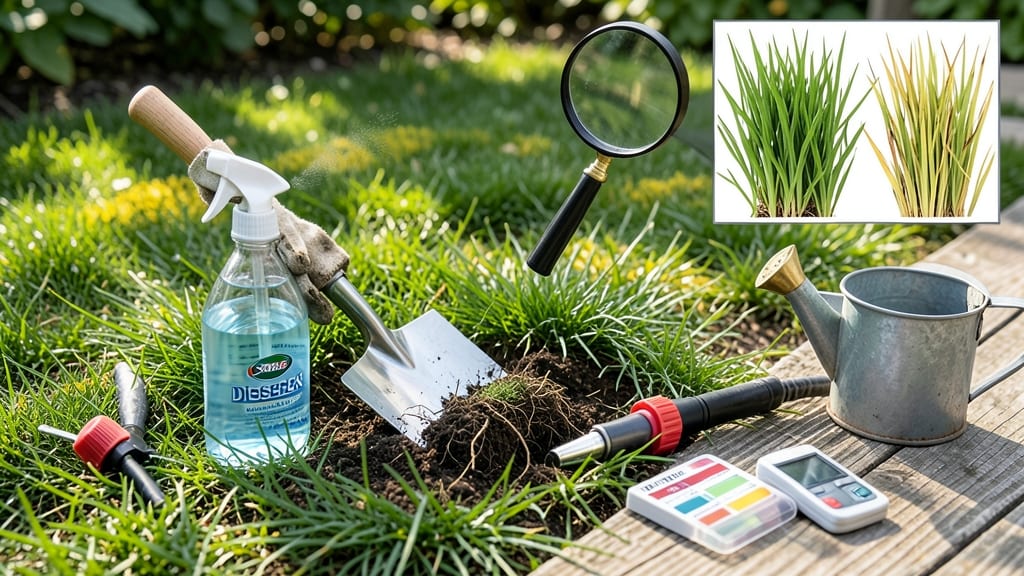
How to fix those yellow spots in your lawn—they’re not just an eyesore, they’re a sign your grass is struggling. 🌱 I’ve spent years diagnosing these patches, and 90% of the time, it’s not what most people think. Grubs, fungus, or poor soil? We’ll pinpoint the exact cause and get your lawn back to vibrant green in a week.
The first step is simple: dig up a small patch of the yellowed area. If you see white grubs wriggling in the soil, that’s your problem. If the roots look sparse or the soil feels spongy, it’s likely fungus or compacted soil.
Most people skip this step and waste money on the wrong fix—don’t be one of them.
Once you know the cause, the solution is straightforward. For grubs, apply milky spore or beneficial nematodes. For fungus, use a fungicide labeled for your specific issue (dollar spot, brown patch, etc.). Water deeply but less frequently, and aerate compacted soil to let roots breathe again.
By day 7, you’ll see new growth pushing through, and within a month, your lawn will look like it did before the spots appeared. The key is acting fast—yellow patches spread when ignored. Let’s get your lawn back to its best.
Root Causes Behind Lawn Spots
Yellow spots in your lawn aren’t just unsightly—they’re often a cry for help from your grass! Understanding the why behind these patches is half the battle in restoring a lush, green carpet. Below, we break down the most common culprits, backed by science, so you can diagnose—and fix—the problem fast.
Fungi thrive in damp, shady, or nutrient-poor conditions, turning your lawn into a buffet. The most notorious offenders include: - Brown Patch (Rhizoctonia solani): Thrives in warm, humid weather (75–85°F) and leaves behind circular, yellowing patches with a "smoky ring" at the edges.
It attacks grass blades at the soil line, weakening roots. - Dollar Spot (Sclerotinia homoeocarpa): Creates small, straw-colored spots (about the size of a dollar coin) with a thread-like fungal growth in the center.
It’s most active in cool, wet springs or fall mornings. - Fairy Ring (Marasmius spp.): Less destructive but unsightly, this fungus creates concentric rings of dark green grass surrounded by yellow or brown patches. It secretes nutrients into the soil, causing sudden growth spurts in rings.
Why it happens: Fungi spread via spores in water, soil, or even lawn equipment. Overwatering, poor drainage, or compacted soil create the perfect breeding ground. Pro tip: If you see a "mushroom-like" growth, that’s your fungus announcing its presence—act fast! 🌡️
Those squiggly white larvae aren’t just creepy—they’re devouring your grass roots. Japanese beetle grubs, white grubs, and billbugs are the top offenders. They chew through roots, leaving patches of grass that pull up easily (like carpet tiles) and turn yellow or brown.
Why it happens: Grubs prefer moist, well-fertilized soil, especially after rain or irrigation. Female beetles lay eggs in late summer, and the larvae hatch in 7–14 days, feeding for 4–6 weeks. Sign: If you lift a patch and see wiggling grubs, you’ve got a grub problem. ⏰
Heavy foot traffic, pets, or machinery can compress soil, reducing oxygen and water flow to roots. Compacted soil strangles grass, causing yellow patches that often appear in high-traffic areas or near driveways.
Why it happens: Soil particles pack tightly, crushing root systems and blocking water absorption. Clay or sandy soils are especially prone to compaction. Test it: Stick a screwdriver in the ground—if it won’t go past 1–2 inches, your soil is compacted. 🔨
Yellow spots can signal a lack of key nutrients, often due to: - Nitrogen (N) deficiency: Causes uniform yellowing (like pale green or straw-colored grass).
Nitrogen fuels leaf growth, so without it, grass weakens. - Iron (Fe) or Chlorosis: Yellowing between leaf veins (while veins stay green) is classic iron deficiency, common in alkaline soils. - Potassium (K) or Magnesium (Mg) shortages: Weakens roots, making grass prone to disease and drought stress.
Why it happens: Poor soil testing, overwatering (which leaches nutrients), or imbalanced fertilizers can deplete essential minerals. Fix: A soil test reveals exactly what’s missing—don’t guess! 📊
Too much water suffocates roots by displacing oxygen, while poor drainage creates soggy "dead zones" where fungi and grubs thrive. Yellow patches often appear in low spots or after heavy rain.
Why it happens:
- Overwatering: Frequent light watering keeps soil saturated, inviting disease.
- Clay soil: Acts like a sponge, holding water and cutting off oxygen.
- Sloped yards: Water pools in depressions, creating anaerobic (oxygen-free) pockets.
Signs: Grass feels spongy, smells sour, or has a "mushy" texture when walked on. ⚠️
Misapplied herbicides (like 2,4-D or dicamba) or pet urine (high in nitrogen) can scorch grass, leaving yellow or white patches. Even "safe" fertilizers can burn if overapplied.
Why it happens:
- Wind drift: Herbicides meant for weeds can land on your lawn.
- Concentrated urine: Pets mark the same spots repeatedly, creating high-salt burn areas.
- Over-fertilizing: Too much salt or synthetic nutrients disrupts microbial balance.
Fix: If you suspect chemicals, rinse the area with water immediately and avoid further treatment until the grass recovers. 🚫
Grass needs sunlight (4–6 hours/day) and consistent moisture to stay green. When denied, it yellows as a survival mechanism.
Why it happens:
- Drought stress: Grass goes dormant to conserve water, turning brown or yellow.
- Shade stress: Too little light weakens grass, making it prone to moss or fungal growth.
- Extreme heat: Burns grass blades, causing temporary yellowing (often in late summer).
Spot the difference: Drought-stressed grass feels crispy, while shade-stressed grass stays soft but pale. 🌡️
While grubs get the spotlight, other pests contribute to yellow spots:
- Chinch Bugs: Pierce grass stems, sucking out fluids and leaving behind small, dry patches.
- Moles or Voles: Tunnel underground, uprooting grass and creating irregular yellow patches.
- Armyworms: Defoliate grass in large swaths, leaving behind skeletonized blades.
Why it happens: These pests target stressed grass (from drought, compaction, or poor fertility), turning weak spots into buffet zones. 🎯
Fix Yellow Spots Fast
Now that you know the culprits behind those unsightly yellow patches, it’s time to roll up your sleeves and restore your lawn to its former glory. Below, we’ve mapped out practical, step-by-step solutions tailored to each common cause—plus pro tips to keep your grass thriving long-term.
Let’s get your lawn back to lush in 7 days or less!
Signs: Soggy soil, mushrooms popping up, or yellow patches that stay damp even after rain.
Step 1: Test Your Soil’s Drainage
🔍 - DIY Test: Dig a small hole (4–6 inches deep) and fill it with water. If it drains in less than 2 hours, your soil is fine.
If it takes longer, you’ve got poor drainage. - Fix: Aerate your lawn in fall or early spring using a core aerator (rent one if needed). This creates holes for water and air to penetrate.
Step 2: Adjust Your Watering Routine 💧
Water deeply but less often: Aim for 1–1.5 inches per week (including rain).
Use a rain gauge or tuna can to measure. - Water in the morning (before 10 AM) to reduce evaporation and fungal growth. - Fix standing water: If water pools after rain, consider grading your yard (slope soil away from the house) or installing French drains in problem areas.
Prevention Tips:
✅ Check your sprinklers—are they spraying evenly? Adjust heads to avoid overwatering certain spots. ✅ Mulch flower beds to improve soil absorption and reduce runoff. ✅ Avoid compacted soil—walk on grass less or use a lawn roller lightly to break up hardness.
Signs: Spongy lawn that pulls up easily, adult beetles (like Japanese beetles), or birds pecking at the grass.
Step 1: Confirm the Infestation 🐛
- Pull up a patch of grass—if you see white, C-shaped grubs in the soil, you’ve got a problem.
- Set a beer trap (yes, really!): Bury a shallow container filled with beer.
Grubs will crawl in and drown—count them to gauge severity.
Step 2: Apply Grub Control 💥
Natural Option: Nematodes (beneficial microscopic worms) or milky spore (a bacteria that targets grubs).
Apply in early summer when grubs are young. - Chemical Option: Use a grub killer with imidacloprid or chlorantraniliprole (follow label rates). Best time to treat: June–July (when grubs hatch). - Prevent Future Damage: Apply grub preventer in late spring (like Bayer Advanced Grub Killer).
Prevention Tips:
💡 Encourage predators—birds, toads, and ground beetles eat grubs. Leave some bare spots for them! 💡 Avoid over-fertilizing—grubs love lush, nitrogen-rich lawns. 💡 Mow high (3–4 inches) to shade out weeds and reduce beetle egg-laying spots.
Signs: Circular yellow/brown patches, especially after rain or in shady areas. Fuzzy white or pink growth (mold) may appear in damp conditions.
Step 1: Improve Airflow & Sunlight 🌞
- Thin out trees/shrubs if they’re shading your lawn too much.
- Rake up thatch (the layer of dead grass between soil and blades) to ¼-inch thickness—this prevents fungal growth.
Step 2: Treat the Fungus 🧴
- Fungicide: Use a systemic fungicide (like BioAdvanced Fungus Control) or a natural option (neem oil or baking soda spray—1 tbsp baking soda + 1 gallon water + a drop of dish soap).
- Water in the morning to dry grass quickly.
- Avoid walking on wet grass—this spreads spores.
Prevention Tips:
✨ Water less frequently but deeper to discourage fungal growth. ✨ Mow regularly (never remove more than ⅓ of the blade at once). ✨ Aerate compacted areas—fungi thrive where grass roots can’t breathe.
Signs: Uniform yellowing, crispy grass blades, or footprints staying visible for hours.
Step 1: Deep Water Immediately 💦
- Soak the lawn to 6 inches deep (use a screwdriver to check moisture).
- Water in cycles: 10 minutes on, 10 minutes off, repeat until soil is damp.
Step 2: Overseed & Protect 🌱
- Rake dead patches gently, then sprinkle grass seed and top with straw (to hold moisture).
- Apply a light layer of compost (¼ inch) to retain moisture.
- Mulch mow (leave clippings) to return nutrients to the soil.
Prevention Tips:
🔥 Water before 10 AM to reduce evaporation. 🔥 Choose drought-resistant grass (like tall fescue or Bermuda) if you live in a hot climate. 🔥 Mulch flower beds to keep moisture in the soil.
Signs: Sharp yellow/brown edges (like a "burnt" look), often near sidewalks, driveways, or where herbicides were applied.
Step 1: Rinse the Area 🚿
- Hose down the spot with lots of water to dilute salts or chemicals.
- Use a garden hose on "soaker" setting for 10–15 minutes.
Step 2: Amend the Soil 🌿
- Spread gypsum (for salt damage) or compost (for chemical burns) over the area.
- Lightly rake in and reseeds if needed.
Prevention Tips:
🎯 Sweep de-icing salts off driveways before they seep into the lawn. 🎯 Use organic herbicides (like vinegar-based) if you must spot-treat weeds. 🎯 Water after applying fertilizers to prevent "burn."
Final Pro Tip: 🌟 Test your soil (use a DIY kit from a garden center) to check pH and nutrient levels—imbalanced soil can make yellow spots worse!
By tackling the root cause and following these steps, your lawn should show noticeable improvement in 7–10 days. Stay consistent, and soon you’ll be the envy of the neighborhood with a grub-free, green carpet! 🏡💚
Frequently asked questions
Why do some yellow spots spread faster than others?
Fungal infections like brown patch or dollar spot spread rapidly in humid conditions (75–85°F), while grub damage spreads slowly as larvae move through soil. The key difference? Fungi release spores that hitchhike on water droplets, while grubs physically chew roots in a 2–3 inch radius per week. Act fast with fungicide for fungal spots, but grubs need soil treatment.
Can I use household items like vinegar or baking soda to fix yellow spots?
For chemical burns, dilute white vinegar (1:3 ratio with water) can help neutralize salts, but it won’t revive dead grass. Baking soda (1 tbsp/gallon water) works as a mild fungicide for dollar spot, but it’s not as effective as commercial products. Always test a small area first—some grasses (like Bermuda) are sensitive to vinegar.
How do I know if my yellow spots are from grubs or fungus?
Dig up a 1-inch square of affected grass: if you see white, C-shaped larvae, it’s grubs. For fungus, look for thread-like growth (like cotton) or mushrooms. Grub spots pull up like carpet tiles, while fungal spots feel spongy. The smell also helps—grubs smell earthy, fungus smells sour.
Will overseeding fix yellow spots caused by grubs or fungus?
Not directly—overseeding helps recover after treatment, but it won’t kill grubs or fungus. First fix the root cause: apply nematodes for grubs or fungicide for infections, then overseed the repaired area. Time it right: overseed in early fall when soil is warm but air is cool.
How often should I check my lawn for yellow spots?
Inspect your lawn weekly during growing season (spring–fall) and biweekly in winter. Early detection is key—fungus spreads in 48 hours if conditions are right, while grub damage takes 2–3 weeks to become visible. Walk your lawn after rain or heavy dew when spots are most noticeable.