
Lawn
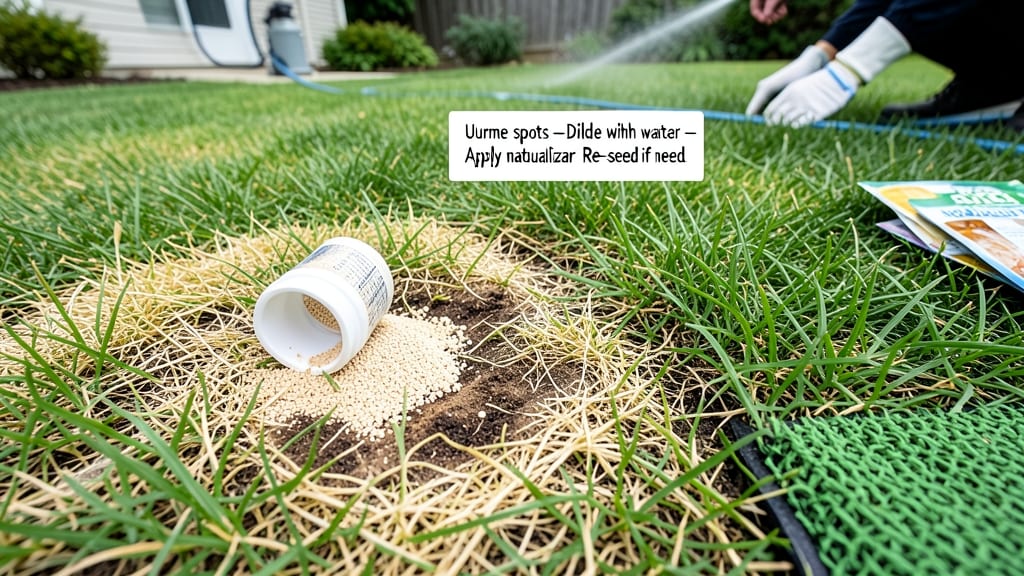
How to stop dog urine killing lawn—it’s the battle every pet owner faces, turning vibrant green patches into brown deserts faster than you can say "sorry, Fido." 🌱 The problem isn't just the nitrogen burn—it's the soil acidity that lingers long after the spot dries. But here's the good news: a simple vinegar-water spray can revive your grass in just 48 hours without harming your dog.
First, dilute the urine immediately with water—this breaks down the concentrated compounds before they damage roots. For existing brown patches, mix equal parts white vinegar and water in a spray bottle and apply directly to the affected areas.
The acidity in vinegar neutralizes the urine's pH, giving your grass a fighting chance to recover.
Long-term, train your dog to use a designated potty area (like a gravel patch) and water those spots heavily after they go. Over time, this prevents the cycle of damage. For extra protection, overseed with dog-friendly grasses like tall fescue or Kentucky bluegrass—they bounce back faster than others.
With these steps, your lawn stays green year-round, and your dog stays happy (and well-behaved). The key is acting fast—once the damage sets in, even the best solutions take longer to fix.
Why it happens
H2: The Hidden Reasons Your Lawn Dies
Dog urine might seem like just a natural part of pet ownership, but it’s actually a chemical time bomb for your lawn. 🌱💥 The damage isn’t just from the waste itself—it’s a mix of biology, soil chemistry, and even your dog’s diet.
Understanding these hidden causes is the first step to saving your grass. Let’s break down the science behind why your lawn turns into a patchy, yellowed mess after your pup does their business.
🧪 High Ammonia and Nitrogen Overload
Dog urine is extremely concentrated in nitrogen—a nutrient that, in small doses, helps grass grow. But when it’s too much, it burns the grass roots and blades. Here’s how it works:
- Ammonia spike: Fresh urine contains high levels of ammonia (NH₃), which is toxic to grass. When your dog pees, the ammonia immediately raises the soil pH to an alkaline level (above 7.0), creating a hostile environment for grass roots.
- Nitrogen shock: While nitrogen is essential, concentrated doses (like those in dog urine) overwhelm the grass’s ability to absorb it. The excess nitrogen disrupts cellular processes, leading to leaf scorch and root death.
- Salt buildup: Urine also contains urates and uric acid, which break down into salts. These salts draw moisture out of grass cells, causing wilting and browning—even if the soil looks moist.
Actionable insight: The first 24–48 hours after your dog urinates are critical. During this window, the ammonia is at its peak toxicity. That’s why a vinegar-water spray works best—it neutralizes the pH before the damage spreads.
🌱 Soil Compaction and Root Suffocation
Dogs don’t just pee—they trample the same spots repeatedly. This creates two problems:
- Compacted soil: Heavy foot traffic (or paws) packs down the soil, reducing oxygen and water penetration to the roots. Grass needs 20–25% air space in the soil to thrive—dog urine zones often drop this to <5%.
- Root asphyxiation: Without proper aeration, roots can’t access nutrients or water, even if the topsoil looks damp. This leads to yellowing and thinning in high-traffic areas.
Actionable insight: If your lawn has hard, bare patches where your dog frequently urinates, the soil is likely compacted. Light aeration (with a manual fork or spike sandals) can help, but preventing repeated urination in the same spot is the real fix.
🍖 Diet-Driven Urine Chemistry
What your dog eats directly affects the composition of their urine—and thus, its damage to your lawn. Here’s how:
| Diet Factor | Urine Effect | Lawn Impact |
|---|---|---|
| High-protein kibble (e.g., chicken, beef, fish) | Increases uric acid and ammonia levels | More alkaline urine = higher pH burn on grass |
| Low-quality fillers (e.g., corn, soy) | Reduces urine dilution, making it more concentrated | Less water in urine = stronger chemical burn |
| Dehydration (not enough water intake) | Produces smaller, more potent urine volumes | Higher concentration = deeper soil damage |
| Supplements (e.g., calcium, magnesium) | Can alter urine mineral balance, increasing salt content | More osmotic stress on grass roots |
Actionable insight: If your dog’s diet is heavy in protein or low in water, their urine will be more damaging. Try adding wet food or a water fountain to dilute their urine. Even switching to a grain-inclusive kibble (like lamb and rice) can reduce uric acid levels.
🌡️ Weather and Seasonal Stressors
Not all lawns suffer equally from dog urine. Heat, drought, and cold can amplify the damage:
- Hot, dry conditions: When grass is already water-stressed, concentrated urine accelerates dehydration. The salts in urine pull moisture from grass cells, causing rapid browning.
- Cold winters: Frozen soil traps urine near the surface, preventing dilution by rain. When spring thaw arrives, the sudden nitrogen spike can shock recovering grass.
- Heavy rainfall after urination: While rain dilutes urine, it also washes away topsoil nutrients, leaving grass roots starved in high-urine zones.
Actionable insight: If you live in a hot or dry climate, water the affected area immediately after your dog urinates to dilute the chemicals. In winter, avoid letting your dog pee in the same spots—their urine will linger until spring.
How to Fix Dog Urine Damage
Dog urine can turn your lush lawn into a patchy, yellow disaster—but the good news is, you can revive it! The key is acting fast, identifying the root cause, and applying the right fixes.
Below, we’ve mapped out practical solutions for each common problem, plus prevention tips
If your lawn looks like it’s been scorched, excess nitrogen or synthetic fertilizers mixed with urine can create a toxic combo. Here’s how to fix it: 💡 Pro Tip: If your dog’s urine is especially strong, dilute it with water (1:1 ratio) before flushing—this reduces burn risk. Urine draws moisture from the soil, leaving roots parched and roots struggling. Revive your lawn with these steps: ✨ Prevention Hack: Train your dog to pee on a designated gravel or mulch area—this reduces direct urine contact with grass. If the soil feels gritty or your dog’s urine leaves white crusts, minerals like magnesium and ammonium are to blame. Try this: 🔥 Quick Fix: For stubborn mineral buildup, water the area with Epsom salt (1 tablespoon per gallon of water) to help dissolve deposits. If urine-soaked patches develop a foul smell or slimy texture, fungi or bacteria may be thriving. Act fast: 🎯 Long-Term Solution: Train your dog to use a specific potty spot with gravel or wood chips—these materials drain better and deter fungal growth. Once you’ve revived your lawn, keep it safe with these habits: 🌡️ Climate Note: In hot, dry climates, water the lawn immediately after your dog pees to minimize burn. In wet areas, ensure proper drainage to prevent fungal issues.
Frequently asked questions
Why does dog urine turn grass yellow so quickly?
The high ammonia and nitrogen in fresh urine create a chemical burn that disrupts grass cell function. Within 24 hours, the alkaline pH from urine raises soil acidity, pulling moisture from grass blades and causing rapid browning. The salts in urine also dehydrate roots, making recovery difficult without intervention.
Can I use coffee grounds to neutralize dog urine spots?
Yes! Coffee grounds are slightly acidic and help balance the alkaline pH left by urine. Sprinkle a thin layer over affected areas and water lightly. For best results, combine with 1 inch of compost to improve soil structure and provide nutrients. Reapply every few weeks in high-traffic dog zones.
How long does it take for grass to recover from urine damage?
With immediate treatment (vinegar spray + watering), you may see 48-hour improvement in color. Full recovery takes 2-4 weeks for new grass growth, depending on your climate. For established damage, overseeding with dog-resistant grasses like tall fescue speeds up recovery by 50% compared to waiting for existing grass to regrow.
What's the best way to train my dog to avoid urinating on the lawn?
Start with a designated potty area using gravel or mulch—these surfaces are less damaging than grass. Use a cue word like "go potty" and reward immediately with treats. For stubborn dogs, try pee pads or a small artificial turf patch. Consistency is key—most dogs learn within 2-3 weeks of daily training.
Will commercial urine-neutralizing products work better than vinegar?
Most commercial products contain similar active ingredients (vinegar, lime, or enzymes) but often include synthetic additives. For organic solutions, a 1:1 vinegar-water mix works just as well and costs pennies per application. The key difference is that commercial sprays may contain fragrances that could irritate your dog's respiratory system.