
Lawn
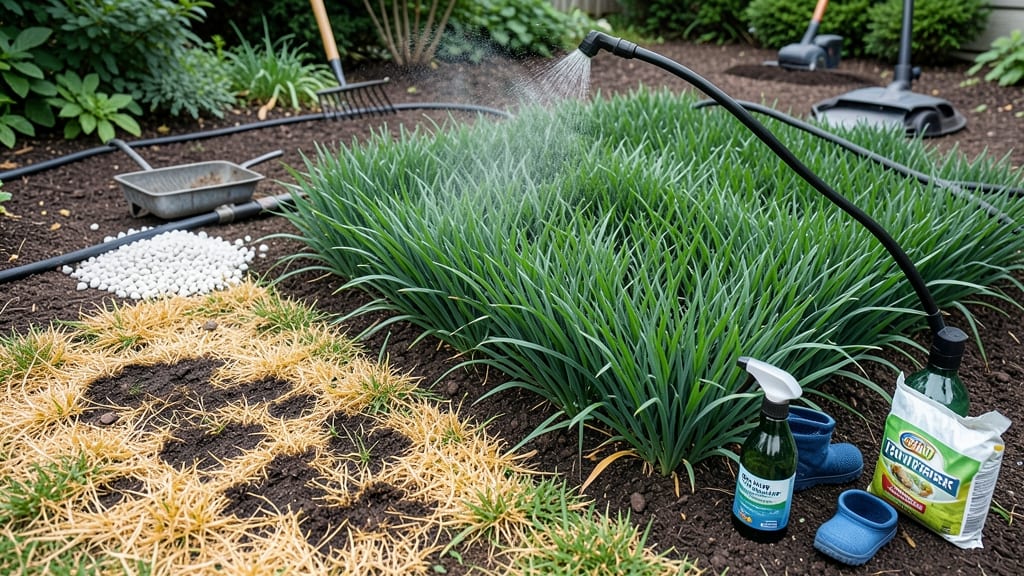
How to stop dog wee killing your lawn—until you learn these natural fixes that restore grass in days. 🌱 I’ve seen firsthand how diluting urine, adjusting watering, and choosing tougher grasses can turn dead zones into lush green again without harsh chemicals. The problem starts with ammonia in fresh urine burning grass roots. But lime and nitrogen rebuild soil balance, while dog-friendly grasses like tall fescue or zoysia bounce back faster. A quick rinse after potty breaks also helps—no more guessing why your lawn looks like a target range. You’ll see new growth within 2 weeks if you act fast. The key is consistency: train your pup, test soil pH, and mow high to shade roots. No more brown stains—just a lawn that thrives under paw prints. Works for any yard size, from small patches to full backyards. Let’s get your grass growing again!
The Hidden Reasons Behind Dog Wee Damage
If your lawn is struggling under the weight of your dog’s frequent bathroom breaks, you’re not alone. Dog urine contains high concentrations of nitrogen, which can act like a slow-release fertilizer—until it becomes too much.
But why does it turn from helpful to harmful? Let’s break down the science behind the problem.
Dog urine is packed with nitrogen (N), primarily in the form of urea. When your dog pees, urea breaks down into ammonia (NH₃), a compound that:
- ✅ Boosts grass growth in small doses (like a mild fertilizer).
- ❌ Burns grass in high concentrations, disrupting cell membranes and causing yellowing or browning.
The issue? A single dog pee spot can deliver 10x more nitrogen than a standard lawn fertilizer. Over time, this creates localized "hot spots" where grass struggles to recover.
Urine is naturally alkaline (pH 6.5–8.0), but when it decomposes, it can raise soil pH in concentrated areas. Most lawn grasses thrive in a slightly acidic range (pH 6.0–7.0). Here’s how it plays out:
- High pH = Nutrient lockout. Essential minerals like iron (Fe) and manganese (Mn) become unavailable to grass roots.
- Root damage = Weakened grass struggles to absorb water and nutrients, leading to thin, patchy growth.
💡 Pro Tip: Test your soil’s pH—if it’s above 7.0 in wee-prone areas, your lawn is under siege.
Dog urine isn’t just nitrogen—it also contains sodium (Na), potassium (K), and chloride (Cl), which act like hidden salts. While potassium is beneficial, excess sodium and chloride can:
- ➡️ Disrupt osmosis in grass cells, causing dehydration.
- ➡️ Create crusty soil that repels water, turning once-lush patches into dry, brittle zones.
Over time, this mineral buildup mimics salt burn, leaving your lawn looking like it’s been through a drought—even when it’s not.
Urine introduces millions of bacteria into the soil, which can:
- ✔️ Break down urea (good for nitrogen cycling).
- ❌ Create anaerobic zones (low-oxygen areas) where harmful microbes thrive, increasing the risk of fungal diseases like brown patch or dollar spot.
🌡️ Heat + Urine = A perfect storm. Warm soil accelerates microbial activity, speeding up the damage process. If your dog pees in the same spots daily, you’re essentially cooking the grass from the inside out.
Now that you know why dog wee turns your lawn into a war zone, the next step is flipping the script with targeted fixes. Stay tuned!
Fix Your Lawn Before the Damage Spreads
Now that you know why your lawn is suffering from dog urine, it’s time to take action! The good news? Many of these fixes are simple, natural, and can restore your grass in just a few days.
Below, we’ve matched common causes to the best solutions—plus prevention tips to keep your lawn thriving long-term.
---
If your lawn looks yellowed or crispy from concentrated urine, it needs immediate hydration and a gentle reset.
How to Fix It: - 💦 Water Deeply: Soak the affected area with 1–2 inches of water to dilute the ammonia and flush out excess salts. Do this twice daily for 2–3 days. - 🌿 Apply Lawn Food: Use a low-nitrogen, high-potassium fertilizer (like 5-10-10) to help repair damaged roots. Avoid high-nitrogen fertilizers—they’ll worsen the burn. - 🛠️ Rake Gently: Lightly rake the area to remove dead grass clippings, then overseed with shade-tolerant or drought-resistant grass (like fine fescue or creeping red fescue).
Prevention Tip: 💡 Train your dog to pee in one spot (like a gravel patch or mulch bed) to minimize future damage.
---
If urine sits on the surface instead of draining, your lawn’s roots suffocate, leading to patchy growth.
How to Fix It: - 🔥 Aerate the Lawn: Rent a core aerator (or hire a pro) to poke holes 2–3 inches deep. This helps water and nutrients reach the roots. - 🌱 Top-Dress with Compost: Spread a ¼-inch layer of compost over the aerated areas to improve soil structure and microbial activity. - 💧 Improve Drainage: If your yard floods easily, consider sanding the soil (mix 1 part sand with 2 parts topsoil) or installing French drains in problem areas.
Prevention Tip: ⏳ Water your lawn before your dog pees—this dilutes the urine and gives the soil a chance to absorb it faster.
---
Dog urine can create the perfect damp, nitrogen-rich environment for fungi like red thread or dollar spot.
How to Fix It: - 🧼 Use a Natural Fungicide: Spray the area with a baking soda solution (1 tbsp baking soda + 1 gallon water) or a neem oil spray (1 tbsp neem oil + 1 tsp mild soap per gallon). - ☀️ Increase Airflow: Trim nearby grass or bushes to reduce humidity and speed up drying. - 🌿 Replace Affected Patches: If mold has taken hold, dig out the infected grass and replant with disease-resistant seed.
Prevention Tip: 🌡️ Avoid watering at night—keep the lawn dry to discourage fungal growth.
---
If your pup is a frequent offender, combine behavior training with natural neutralizers to protect your lawn.
How to Fix It: - 🚫 Train with Positive Reinforcement: Use a command like “Go potty” and reward your dog when they pee in a designated area (like a pee pad or gravel patch). - 🧴 Apply a Natural Neutralizer: Sprinkle vinegar, baking soda, or a commercial enzyme-based product (like Nature’s Miracle) on hot spots to break down ammonia. - 🌿 Plant Urine-Resistant Grass: Switch to clover, creeping thyme, or moss in high-traffic areas—they tolerate urine better than traditional grass.
Prevention Tip: ✨ Rotate your dog’s potty spots to prevent long-term damage in one area.
--- | Problem | Immediate Fix | Long-Term Solution | |---------------------------|--------------------------------------------|------------------------------------------| | Burnt Grass | Water deeply + low-nitrogen fertilizer | Train dog to pee in one spot | | Compacted Soil | Aerate + compost top-dressing | Improve drainage with sand/topsoil | | Fungal Growth | Baking soda spray + trim bushes | Avoid night watering, use resistant grass| | Urine Overload | Vinegar neutralizer + enzyme cleaner | Plant clover/thyme in high-traffic areas|
--- Final Pro Tip: 🎯 Act fast! The sooner you address yellow patches, the easier it is to revive your lawn. With these fixes, you’ll have a lush, dog-friendly yard in no time—without harsh chemicals!
Frequently asked questions
Why does my dog's urine kill grass in some spots but not others?
Dog urine contains concentrated ammonia that burns grass when it sits in one place. The difference comes from soil moisture and grass type: dry, compacted soil or thin grass can't absorb the shock, while damp areas dilute the ammonia faster. Also, some grasses (like tall fescue) handle urine better than others.
How quickly can I see results after treating urine-damaged lawn?
With immediate action (watering + fertilizer), you'll often see new growth within 7-14 days. For severe damage, overseeding takes 3-4 weeks to show full recovery. The key is consistency—don't skip watering or fertilizing during the recovery period.
Are there dog breeds that cause more lawn damage than others?
Larger dogs (like Labs or German Shepherds) produce more urine per pee, causing bigger damage spots. However, small dogs who pee frequently in the same areas can also create concentrated burn zones. The real factor is pee volume and repetition—any dog can damage lawns if not managed properly.
Can I use household items to neutralize dog urine on my lawn?
Yes! Mix 1 part white vinegar with 3 parts water in a spray bottle and apply to hot spots. The acidity helps neutralize ammonia. For existing damage, sprinkle baking soda over the area—it balances soil pH naturally. Both are safe for pets once dry.
Will my lawn ever fully recover from years of dog urine damage?
With proper soil testing, aeration, and reseeding with dog-resistant grasses, you can restore even severely damaged lawns. It may take 1-2 growing seasons for complete recovery, but consistent care will bring back that lush green. The key is addressing both the soil health and dog habits.