
How To
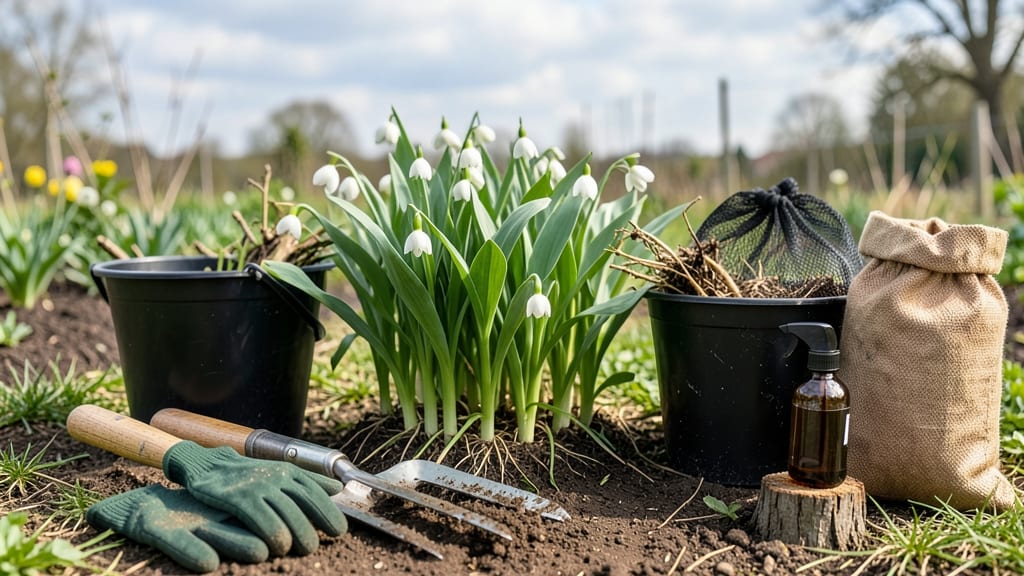
How to remove wild onions from your lawn can turn your yard into a battle of wills—unless you know the right strategy. 🌱 I’ve wrestled with these tenacious weeds for years, and the key is patience paired with precision: dig deep, pull early, and repeat until they’re gone for good. The first sign? Thin, grass-like leaves with a distinctive onion scent when crushed.
Manual removal works best when the soil’s soft after rain. Grab a hand fork or trowel, then twist and tug to extract the entire root system—even a sliver left behind will regrow.
For stubborn patches, spot-treat with a vinegar-based herbicide (mix 1 gallon vinegar, 1 cup dish soap, and 1 gallon water) and reapply weekly until the weeds yellow and die.
Your lawn will thank you with thicker, healthier grass within 4-6 weeks of consistent effort. The secret? Stay vigilant—wild onions spread aggressively, so check for new shoots every 2-3 weeks during growing season.
Prevention is easier than cleanup: overseed bare spots and maintain a 3-inch mowing height to crowd them out.
This method works for any lawn type, from shady patches to sunny yards. The trade-off? A little elbow grease now saves hours of frustration later. Ready to reclaim your turf?
Root Causes of Wild Onions
Wild onions (often mistaken for grass or weeds) don’t just appear in your lawn by accident—they thrive because of specific conditions that favor their growth. Understanding these causes helps you tackle the problem at its source. Here’s why these invasive plants take over your yard:
Wild onions (Allium species) are hardy perennials that rely on two key survival strategies:
- Wind-Dispersed Seeds: 🌬️ A single wild onion plant can produce thousands of tiny black seeds that scatter easily via wind, water, or even lawn equipment.
These seeds can remain dormant in soil for years (up to 5+ years!) before sprouting when conditions are ideal. - Bulb & Clove Reproduction: Unlike annual weeds, wild onions spread underground via bulbs and cloves. Even a small fragment left in the soil can regrow, making manual removal tricky.
Actionable Insight: If your lawn has had wild onions before, assume seeds are lurking—deep tilling or solarization (covering soil with plastic) can break dormancy and expose them for removal.
Wild onions exploit lawns with imbalanced or compacted soil, thriving where grass struggles:
- High Nitrogen, Low Competition: 🧪 Over-fertilized lawns (especially with nitrogen-heavy fertilizers) create ideal conditions for wild onions.
They outcompete grass for nutrients, filling gaps left by thin or stressed turf. - Compacted or Clay-Heavy Soil: 🏗️ Dense soil restricts grass roots but doesn’t bother wild onions, which have shallow, fibrous root systems adapted to poor drainage. - pH Imbalances: Wild onions prefer slightly acidic to neutral soil (pH 6.0–7.0).
If your lawn’s pH is off, grass weakens while onions flourish.
Actionable Insight: Test your soil’s pH and nutrient levels. Aerate compacted areas and adjust fertility to favor grass over weeds.
Wild onions are sun-loving opportunists that fill empty spaces:
- Thin or Patchy Grass: 🌾 Lawns with bare spots (from drought, disease, or poor maintenance) leave room for wild onions to establish roots quickly.
- Partial Shade Tolerance: Unlike some weeds, wild onions can grow in dappled sunlight, making them persistent in shady lawn edges or under trees.
Actionable Insight: Seed bare patches promptly with shade-tolerant grass varieties to starve out weeds before they take hold.
Unintentional help from wildlife and humans accelerates spread:
- Birds & Small Animals: 🐦 Birds eat wild onion seeds, then scatter them elsewhere via droppings.
Squirrels and rabbits may uproot bulbs, planting them in new areas. - Lawn Equipment: 🚜 Mowers, rakes, and aerators can toss seeds or bulbs across the yard, creating new colonies. - Compost & Mulch: 🍂 Improperly screened compost or mulch may contain wild onion seeds, introducing them to garden beds or lawns.
Actionable Insight: Clean equipment after use and avoid using untreated compost from unknown sources.
Moisture and temperature play a huge role in wild onion growth:
- Spring & Fall Moisture: 💧 Wild onions germinate best in cool, damp soil (ideal in early spring or fall).
Drought-stressed lawns leave them vulnerable. - Mild Winters: ❄️ In regions with freeze-thaw cycles, wild onions often survive while weaker grass dies back, giving them a competitive edge.
Actionable Insight: Water deeply but infrequently to encourage deep grass roots, outcompeting shallow wild onion systems.
Even "green" lawn practices can unintentionally help wild onions:
- Overuse of Herbicides: 💊 Broadleaf herbicides (like 2,4-D) may kill clover but miss wild onions, leaving them unchecked.
- Lack of Regular Mowing: 🌾 Tall grass shades out wild onions, but skipping mowing can create a wild onion-friendly microclimate in dense patches.
Actionable Insight: Use selective herbicides (like vinegar-based sprays for spot treatment) or manual removal to avoid chemical resistance.
Wild onions don’t invade randomly—they exploit weak grass, disturbed soil, and favorable conditions. By addressing seed spread, soil health, sunlight exposure, and maintenance gaps, you can prevent regrowth and restore your lawn’s balance. 🚀 Next up: How to identify wild onions before they take over!
Quick Fixes for Wild Onion Removal
Wild onions may seem stubborn, but with the right approach, you can reclaim your lawn without damaging the grass. Below are practical, step-by-step solutions tailored to the root causes of wild onion infestations—whether they’re creeping in from borders, spreading via seeds, or thriving in compacted soil.
Each method balances effectiveness with lawn safety, so you can tackle the problem without harsh chemicals.
Best for: Small patches, early-stage infestations, or areas with shallow roots.
Wild onions are shallow-rooted, making them perfect for digging out by hand—especially if caught early. Here’s how to do it right:
- 🌱 Wait for the Right Time
- Pull weeds after rain or in the early morning when soil is moist (roots slide out easier).
- Avoid pulling in hot, dry weather—this stresses the grass and leaves onion roots behind.
- 🔪 Dig Deep (But Not Too Deep!) - Use a hand trowel or weeding fork to loosen soil around the plant. - Grab the base (not just the leaves) and wiggle to extract the bulb and roots.
Even a tiny root fragment can regrow! - Pro Tip: 💡 If the bulb breaks, discard it immediately—don’t compost it!
- 👨🍳 Dispose of Debris Properly
- Bag and trash pulled weeds (don’t leave them on the lawn—they’ll resprout).
- Avoid composting unless you’ve confirmed no bulb fragments remain.
- 🌿 Fill the Gap
- Rake the area smooth, then reseeds or sod to prevent bare spots where more weeds can take hold.
✨ Prevention Tip: After removal, apply a thin layer of mulch (like shredded bark) to suppress future sprouts.
Best for: Large areas, lazy gardeners, or when manual removal isn’t feasible.
If you’re dealing with a widespread infestation, smothering cuts down on labor while still being grass-safe. Here’s how:
- 📏 Cover the Area
- Lay down cardboard, thick newspaper, or landscape fabric over the infested patches.
- Secure edges with rocks or soil to prevent wind from lifting it.
- 💧 Keep It Damp
- Water the covered area regularly for 4–6 weeks. Moisture speeds up decomposition and starves weeds.
- ☀️ Let the Sun Do the Work
- The lack of light kills wild onions (and other weeds) while preserving your grass edges.
- Pro Tip: 🌡️ In hot climates, check fabric weekly—it may need re-wetting.
- 🔄 Remove and Replace
- After 6 weeks, pull up the fabric and check for remaining weeds.
- Reseed or overseed the area to restore grass.
✨ Prevention Tip: After smothering, apply a pre-emergent herbicide (like corn gluten meal) in early spring to block new seeds.
Best for: Moderate infestations where manual methods aren’t enough.
If wild onions are deep-rooted or spread widely, natural herbicides can help without harming grass. Here are the top 3 safe options:
| Method | How It Works | Application Tips |
|---|---|---|
| Vinegar + Dish Soap | Kills weeds via acetic acid (30%+ strength). | Spray directly on leaves (avoid grass). Reapply after rain. |
| Boiling Water | Instant cell death from heat. | Pour slowly on the base of plants in dry weather. |
| Corn Gluten Meal | Pre-emergent blocks seed germination. | Spread 10 lbs per 100 sq ft in early spring. |
⚠️ Warning: Vinegar and boiling water can damage grass if oversprayed—use a dropper or shield for precision.
✨ Prevention Tip: Aerate your lawn yearly to improve soil health and reduce wild onion growth.
Once you’ve removed wild onions, keep them from returning with these proactive steps:
- 🌱 Edge Your Lawn: Trim grass borders to block weeds creeping in from gardens or paths.
- 💧 Water Deeply but Less Often: Encourages deep grass roots, outcompeting weeds.
- 🌿 Mow High: Keep grass at 3–4 inches to shade soil and discourage wild onion seeds.
- 🔍 Inspect Regularly: Check for new sprouts in spring and fall (peak germination times).
Final Thought: Wild onions are tough, but with consistent effort, you can eliminate them for good—without sacrificing your lawn’s health. Start with manual removal for small patches, smothering for larger areas, and prevention to keep them from staging a comeback! 🚀
Frequently asked questions
How can I tell wild onions apart from grass?
Wild onions have long, thin, grass-like leaves that grow in clusters, but they’re hollow like a straw when you cut them. Crush a leaf—if it smells strongly of onion or garlic, it’s a wild onion. Also check for tiny purple flowers in spring or bulb-like roots when pulled.
Will vinegar really kill wild onions without harming my grass?
Yes, but you must use full-strength vinegar (5%+ acetic acid) and apply it directly to the leaves with a dropper or shield. Avoid spraying grass—vinegar can burn it. For best results, apply on a sunny, windless day and reapply after rain. Test a small area first!
How long does it take to completely remove wild onions?
With consistent effort, you’ll see noticeable improvement in 4-6 weeks, but full eradication can take 1-2 growing seasons. The key is persistence—check for new sprouts every 2-3 weeks during spring and fall (peak germination times). Even one missed bulb will regrow!
Can I use herbicides safely around pets and kids?
Most selective herbicides (like those containing glyphosate) should be avoided near pets and children. Opt for natural alternatives like vinegar, boiling water, or manual removal. If you must use chemicals, choose pet-safe options (like corn gluten meal) and apply them when kids/pets won’t be in contact for 24-48 hours.
Why do wild onions keep coming back after I remove them?
Wild onions spread via seeds and bulb fragments—even a tiny piece left in the soil can regrow. They also produce thousands of seeds that can lay dormant for years. To break the cycle, deep till the area after removal (if possible) and reseeds heavily to crowd out new growth.