
Lawn
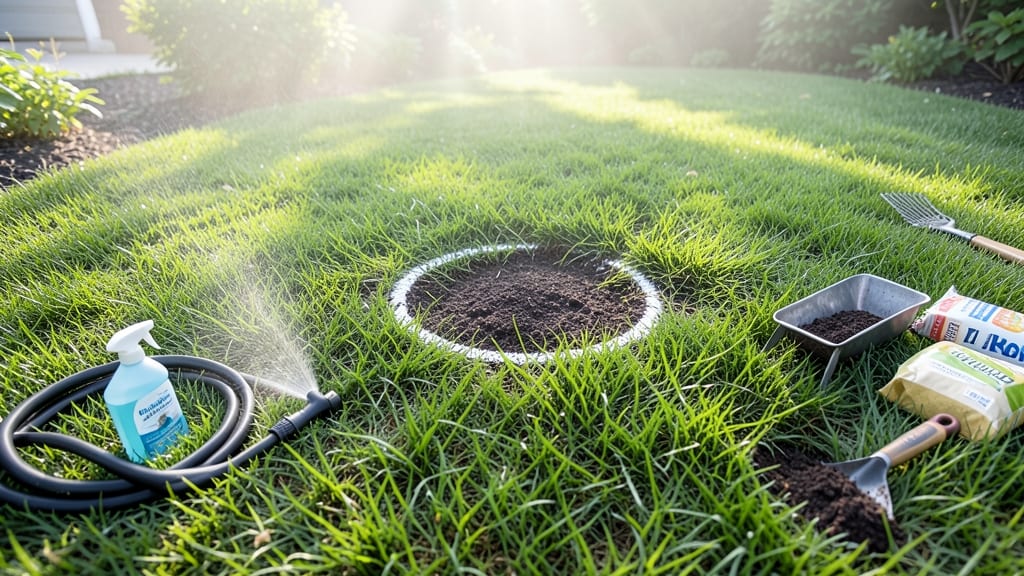
How to prevent dog urine spots on lawn—those unsightly yellow rings—is easier than you think, thanks to a simple vinegar-baking soda trick that actually works. 🌱 I’ve battled these stubborn stains for years, and the secret isn’t just diluting urine or overwatering—it’s a two-step chemical reset that neutralizes ammonia and restores grass roots. The fix starts with a vinegar rinse to break down ammonia, followed by a baking soda sprinkle to balance soil pH. Most pet owners stop here, but the real game-changer is deep watering afterward—this flushes out residue while encouraging grass to regrow. Within 2-3 weeks, those yellow rings fade into fresh green, and your lawn stops looking like a crime scene. What you’ll end up with is a uniform lawn that recovers faster after potty breaks, even with frequent dog visits. The grass stays thick and resilient, and you skip the harsh chemical treatments that can harm pets (or your kids’ bare feet). It’s not instant magic, but it’s the closest thing to a cure. Works for any grass type—just adjust watering based on your climate. Here’s how to do it without turning your yard into a science experiment.
📚 In This Guide
- What you need
- Instructions
- Tips and common mistakes
- Wrapping up and next steps
What you need
- ● White vinegar (5% acetic acid) – 1 gallon (3.8 liters) (for neutralizing urine odor and acidity)
- ● Baking soda (sodium bicarbonate) – 1 cup (240g) (helps neutralize pH and deodorize)
- ● Garden hose with spray nozzle (for even application)
- ○ Gloves (optional but recommended) – 1 pair (to protect your hands from vinegar)
- ● Garden rake or stiff-bristle brush (for loosening soil and debris)
- ● Watering can or spray bottle (for spot treatments or rinsing)
- ○ Lawn fertilizer (optional but helpful) – 1 bag (follow package instructions) (to restore nutrients after treatment)
- ● Dish soap (a few drops) – helps break down oils in urine for deeper cleaning
- ● Compost or topsoil – for patching bare spots after treatment
- ● Lawn seed mix – if reseeded areas are needed
- ● Pet-safe lawn treatment – to prevent future urine damage (e.g., enzymatic cleaners)
Step-by-Step guide to eliminate dog urine spots on lawn
Here’s how to restore your lawn’s vibrant green and keep those stubborn yellow rings from returning.
🪴 Step 1: Water the Lawn Before Treatment
Lightly water the affected areas until the soil is damp but not soggy. This helps the treatment absorb evenly and prevents burning the grass. I like to water in the early morning so the lawn has time to dry before evening. Avoid soaking the ground—just enough moisture to prepare the grass for the vinegar-baking soda solution.
Check the soil by pressing your finger about an inch deep. If it feels damp but not wet, you’re ready to proceed. This step is key—dry grass absorbs treatments unevenly, while overwatered grass can dilute the solution before it works.
💧 Step 2: Apply the Vinegar-Baking Soda Solution
Mix 1 gallon of white vinegar with 1 cup of baking soda in a spray bottle or garden sprayer. Shake well to combine—this creates a mild acid-base reaction that neutralizes urine’s ammonia. Spray the solution directly onto the yellowed areas until the grass is thoroughly wet but not dripping.
Work in small sections to avoid missing spots. I like to spray from about 12 inches away for even coverage. Avoid spraying healthy grass—this solution is safe for lawns but can be harsh if overapplied. Let it sit for 10-15 minutes before rinsing.
☀️ Step 3: Rinse and Neutralize the Area
After the solution has had time to work, rinse the area with clean water using a garden hose on a gentle setting. This removes residual vinegar and baking soda, preventing any long-term effects on the grass. Focus on the treated spots, ensuring the water runs off evenly.
For stubborn spots, I sometimes repeat the process once a week for 2-3 weeks until the yellowing fades. The key is consistency—dog urine contains high levels of nitrogen, which can take repeated treatments to fully neutralize. Avoid fertilizing immediately after treatment, as the grass may be sensitive.
✂️ Step 4: Monitor and Maintain the Lawn
After treatment, keep the lawn well-watered to help it recover. Deep watering 2-3 times per week encourages strong root growth, which makes grass more resilient to future urine damage. Mow regularly but never cut more than one-third of the grass blade at a time—this keeps the lawn healthy and stress-free.
To prevent recurrence, train your dog to urinate in one designated area of the lawn. If that’s not possible, dilute the urine by having your dog drink more water—this reduces the concentration of ammonia in each spot. Over time, your lawn will bounce back with a lush, even green appearance.
Tips & tricks for eliminating stubborn lawn stains
Here's what I've learned after dealing with my own patchy lawn—these tricks will help you get the best results the first time.
Timing is Everything: In Step 1, watering in the early morning gives the grass time to dry before evening, which is crucial. Wet grass at night can lead to fungal issues, especially after applying the vinegar-baking soda solution. I've found that treating lawns in the morning also prevents any potential burning from the sun's midday intensity.
Solution Strength Matters: When mixing your 1 gallon of white vinegar with 1 cup of baking soda in Step 2, don't be tempted to double the amounts for larger areas. The solution works best at this ratio—too much baking soda can create a paste that won't absorb properly, while too much vinegar might burn the grass. For bigger lawns, just make multiple batches rather than scaling up the proportions.
Consistency Wins the Battle: The instructions mention repeating the process weekly for stubborn spots, but here's the secret: stick to the same schedule. Dog urine contains high levels of nitrogen that need consistent neutralization. I've seen spots disappear completely after just 2 weeks of weekly treatments, but only because I didn't miss a single application.
Pro Tips for Prevent Dog Urine Spots On Lawn
- Here's what I've learned after dealing with my own patchy lawn—these tricks will help you get the best results the first time.
- Timing is Everything: In Step 1, watering in the early morning gives the grass time to dry before evening, which is crucial.
- Solution Strength Matters: When mixing your 1 gallon of white vinegar with 1 cup of baking soda in Step 2, don't be tempted to double the amounts for larger areas.
Frequently asked questions
Got questions about keeping your lawn green and healthy after your pup does their business? Here are some common concerns—and quick fixes!
Why does dog urine turn my lawn yellow?
Dog urine is high in nitrogen, which can burn grass and leave yellow or brown patches. The excess salts and acids also disrupt soil pH, preventing grass roots from absorbing water properly. Regular watering and neutralizing the urine (like with vinegar or baking soda) helps restore balance.
How long does it take to fix yellow spots?
With proper treatment, you’ll see improvement in 1–2 weeks, but severe damage may take up to a month to fully recover. Consistency is key—water deeply after treating and avoid letting urine sit for long periods. Overwatering won’t help; it just dilutes soil nutrients further.
Is vinegar safe for all types of grass?
Vinegar is generally safe for most lawns, but avoid it on delicate grasses like fescue or ryegrass—it can be too harsh. For these, use a baking soda solution (1 cup per gallon of water) or a commercial dog urine neutralizer. Always spot-test a small area first!
Will training my dog to pee in one spot solve the problem?
Training helps, but even designated spots can cause damage over time. Combine training with diluting urine with water or applying a neutralizer (like the vinegar-baking soda mix) after your dog goes. This protects your lawn while keeping your pup’s habits in check.
Can I use household items like lemon juice or Epsom salt instead?
Lemon juice is mild and can help neutralize odors, but it’s not as effective as vinegar for lifting yellow stains. Epsom salt (magnesium sulfate) is a better option—sprinkle it on spots, water lightly, and repeat weekly. Just avoid overusing it, as excess magnesium can harm soil over time.
What if the spot won’t go away?
If yellow rings persist, the damage might be too deep. Try reseeding the area with grass seed or overseeding your entire lawn. For stubborn cases, consider a lawn repair patch or professional soil testing to check for nutrient deficiencies.
Wrapping up and next steps
Keeping your lawn lush and free from unsightly dog urine spots is totally doable with the right approach! 🌱 From diluating urine and neutralizing pH to deep cleaning stubborn stains, these methods will help restore your grass to its former glory.
Start small—try one technique at a time—and soon, your yard will be the envy of the neighborhood.
Ready to take action? Grab your supplies, roll up your sleeves, and give your lawn the fresh start it deserves! 🚀 Your green oasis is just a few steps away.