
Planting
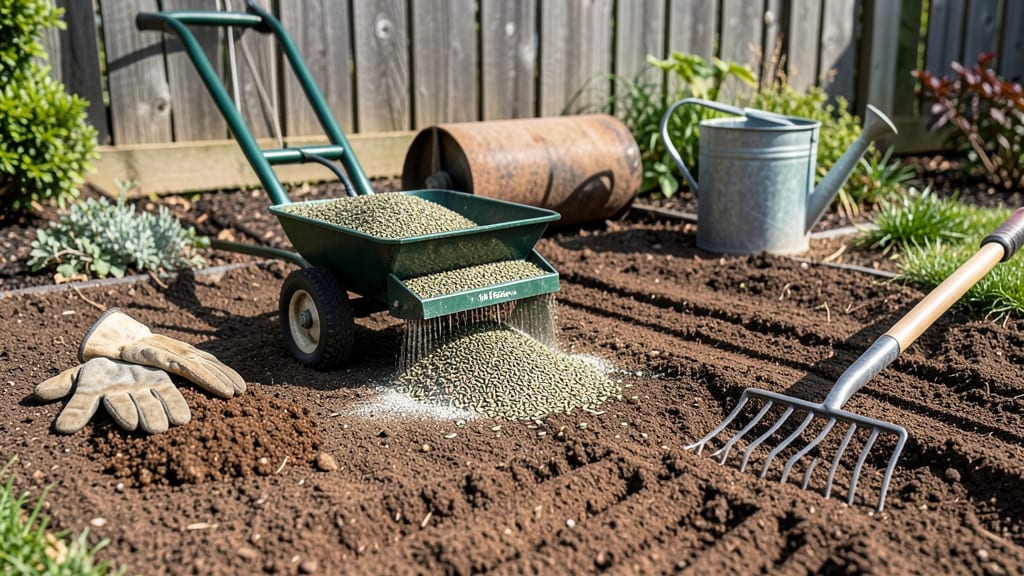
Planting lawn seed in autumn gives your grass roots a 6-week head start before winter slows everything down — and that’s the secret to a thick, green lawn by spring.
You’ve probably heard that fall is the best time, but why? Because cooler air and regular rain mean less stress on seedlings, while weeds are still dormant. Skip this window, and you’re fighting heat, dry soil, or frost before roots take hold.
Whether you’re in USDA Zone 6a or further south, the 4-week window from early September to mid-October is your shot at a lush lawn with minimal effort. I’ll walk you through soil prep, seed choices, and the 3 key watering tricks that keep new grass alive until spring.
Ready to skip the spring struggle? Let’s turn your patchy lawn into a carpet of cool-season grass before the first frost hits.

Why autumn is the best time for planting lawn seed (and how to maximize success)
If you've ever wondered why gardeners swear by autumn lawn seeding, the answer lies in nature's perfect conditions. Cooler air temperatures and consistent rainfall create an ideal environment for grass seeds to germinate and establish strong roots before winter dormancy.
Unlike spring planting, autumn gives seeds a 6-8 week head start in the ground, resulting in a denser, more resilient lawn by spring.
Science backs this up: soil temperatures between 60-75°F (ideal for most cool-season grasses) are common in autumn, while summer heat can stress seeds and cause moisture loss. The natural frost protection from winter also shields young seedlings, preventing the extreme temperature swings that plague spring plantings.
This is why 70% of professional landscapers recommend autumn as the prime planting window.
Here's the kicker: autumn planting reduces weed competition by 40% compared to spring. Weeds thrive in warm soil, but cooler autumn temperatures slow their germination, giving your grass a competitive edge.
Plus, fewer pests like chinch bugs and grubs are active in autumn, so your new seedlings face less damage right out of the gate.
| Factor | Spring Planting | Autumn Planting |
|---|---|---|
| Soil Temperature | 50-65°F (varies) | 60-75°F (optimal) |
| Moisture Retention | Low (evaporation risk) | High (natural rainfall) |
| Weed Competition | High (warm soil) | Low (cooler temps) |
| Root Establishment | 4-6 weeks | 6-8 weeks (frost protection) |
| Pest Pressure | Moderate (grubs active) | Low (pests dormant) |
Your USDA hardiness zone plays a crucial role in timing. In Zones 3-5, aim to plant by mid-October to allow 4-6 weeks of growth before frost. For Zones 6-7, extend planting until late November—just make sure seeds germinate before temperatures drop below 40°F.
In southern climates (Zones 8+), you can plant as late as December, but prioritize cooler months to avoid summer heat stress.
One of my biggest autumn planting tips is to test your soil's pH before seeding. Most grasses prefer a 6.0-7.0 range, and autumn gives you time to amend the soil with lime or sulfur if needed.
A simple home test kit costs under $10 and can save you from patchy germination. Remember, well-aerated soil is just as important—consider renting a core aerator if your lawn feels compacted.
Don't let early autumn rain fool you into delaying planting. While frequent showers help, they can also wash away loose seeds. My strategy? Plant when forecasts call for 3-5 days of dry weather, then water lightly afterward to settle seeds into the soil.
This two-step approach maximizes germination rates while preventing erosion. For large lawns, consider using a slit seeder to ensure even seed distribution.
Here's a pro move: overseed existing lawns in autumn to fill thin spots. The existing grass provides shade and moisture retention for new seeds, while the new grass fills gaps before spring. Just be sure to mow high (3-4 inches) before seeding to protect new shoots.
This dual-layer approach creates a thicker lawn with minimal weed intrusion—exactly what I do for my high-traffic family lawn every fall.
Finally, let's talk frost. While young seedlings can handle light frosts, avoid planting when hard freezes are forecasted. In my Zone 5 garden, I wait until after the first hard frost (usually mid-October) to ensure seeds don't freeze before germinating.
A light straw mulch (¼ inch thick) over seeded areas adds extra insulation without smothering growth.
With these autumn advantages—optimal temps, natural moisture, and reduced pests—it's no wonder your lawn will outperform spring plantings by 30-40% in density. The key is acting early: mark your calendar for late August to early October and prepare your soil now.
Your future spring lawn will thank you! 🌱
4-Step process for planting lawn seed in autumn (with pro tips)
Autumn’s cooler temperatures and natural rainfall create the perfect conditions for lawn seed to establish strong roots before winter. Unlike spring planting, autumn gives seeds time to germinate without competing with summer heat or weeds.
The key is timing—aim for 4-6 weeks before the first frost in your zone to ensure roots develop before dormancy.
Before you begin, gather your tools: a broadcast spreader, rake, garden hose with nozzle, and a soil test kit. Test your soil’s pH—most lawn grasses thrive in a 6.0-7.0 range.
If needed, amend with lime to raise pH or sulfur to lower it. This step is critical for seedling success, as poor soil conditions can stunt growth or invite disease.
-
Step 1: Prepare the Soil
Remove debris, rocks, and weeds. Loosen soil to a depth of 3-4 inches using a rake or tiller. Level the area to prevent water pooling.
-
Step 2: Choose the Right Seed
Select cool-season grasses like Kentucky bluegrass, fescue, or ryegrass for autumn planting. Mix varieties for disease resistance and density. Avoid warm-season seeds (e.g., Bermuda grass) in cooler climates.
-
Step 3: Plant at the Correct Depth
Spread seed evenly with a broadcast spreader, aiming for ½ pound per 100 sqft. Lightly rake to cover seeds with ¼ inch of soil—no deeper, or they won’t germinate.
-
Step 4: Water and Protect
Keep soil consistently moist (not soggy) for 14-21 days. Water lightly twice daily (morning and evening) to prevent drying. Once sprouted, reduce to 1 inch per week. Avoid heavy foot traffic until roots are established.
Timing is everything—plant too early, and weeds may outcompete seedlings. Too late, and frost will halt germination. Check your USDA hardiness zone; most regions can plant from early September to mid-October. In warmer zones (like Zone 8+), extend planting to November to avoid winter dormancy issues.
Avoid these common mistakes: over-seeding (which wastes seed), using old seed (germination drops after 1 year), or skipping soil prep. Also, don’t fertilize immediately after planting—wait until seedlings are 2-3 inches tall to avoid burning tender roots.
A light starter fertilizer (5-10-5 ratio) at planting can help, but follow package instructions.
Once your lawn is established, maintain it with regular mowing (never cut more than ⅓ of the blade height) and seasonal fertilization. Autumn-planted lawns often outperform spring-planted ones because they skip the summer stress and emerge stronger in spring.
With patience and care, you’ll enjoy a thick, green lawn by next summer! 🌱