
Pests
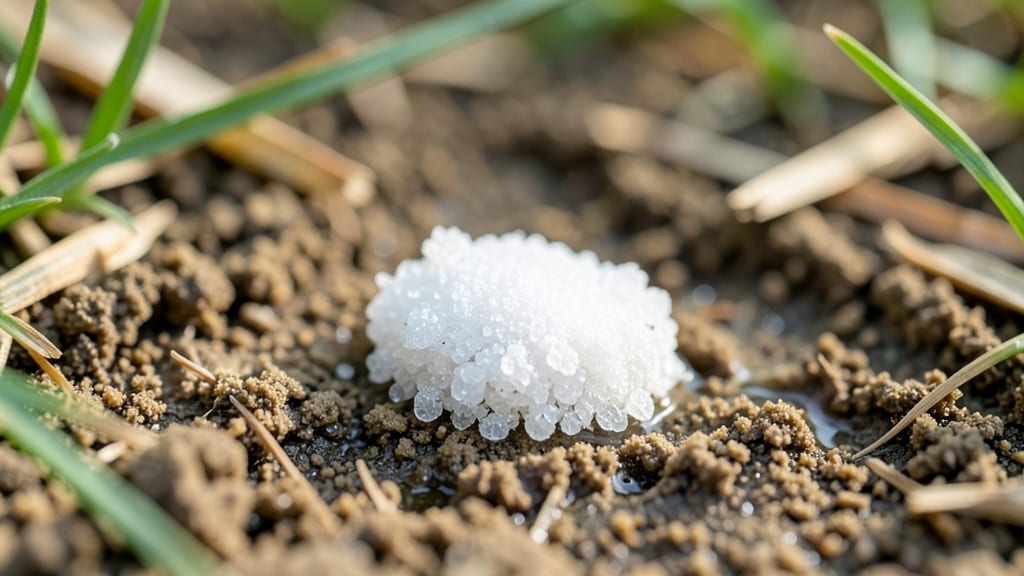
How to get rid of lawn grubs organically—without turning to harsh chemicals? 🌱 The good news is you don’t need pesticides to reclaim your yard naturally. I’ve battled grubs in my own lawn and learned that nematodes, birds, and smart lawn care can outperform chemicals every time.
First, identify the damage: look for brown patches that pull up easily (grubs are usually the culprit). Then, invite nature’s helpers—beneficial nematodes like Heterorhabditis bacteriophora hunt grubs underground, while encouraging birds and toads with shallow water sources gives you free pest control.
Aerating your lawn in fall also helps nematodes reach grubs faster.
For a quick fix, mix neem oil with water and spray it on affected areas—it disrupts grubs’ feeding and growth. But the real game-changer? Milky spore—a natural bacteria that thrives in your soil and keeps grub populations low for years.
It’s the organic equivalent of a long-term lease on a grub-free lawn.
Prevention is just as simple: water deeply but less often, mow high to shade soil, and overseed bare spots. These steps make your lawn less inviting to grubs while keeping it lush and healthy—no chemicals required. Let’s get your yard back to its best!
Root Causes of Lawn Grubs
Lawn grubs—those squirming, C-shaped larvae of beetles—can turn your lush green lawn into a patchy, brown mess if left unchecked. But why do they suddenly become a problem? The answer lies in a mix of environmental factors, lawn health, and the life cycle of their parent beetles.
Understanding these causes is the first step to preventing (and eliminating) them naturally.
Grubs thrive in lawns that are too moist or nutrient-rich. Here’s why:
- Excess Moisture: Grubs need water to survive, but lawns with poor drainage or overwatering create the perfect damp, oxygen-rich environment for them to burrow and feed.
Think of it like a buffet table for larvae—soft, wet soil makes it easy for them to tunnel and munch on roots. - High Nitrogen Fertilizer: While nitrogen helps grass grow, too much (especially in slow-release forms) signals grubs that the soil is a feast.
Studies show that lawns fertilized with high nitrogen levels (like 25%+ nitrogen) see 3-5x more grub activity compared to lightly fertilized areas. - Thatch Buildup: A thick thatch layer (dead grass, roots, and debris) traps moisture and organic matter, creating a grub-friendly microclimate.
If your lawn’s thatch is over ½ inch thick, grubs will move in faster.
💡 Pro Tip: Test your soil’s nitrogen levels before fertilizing. Aim for 0.25–0.5% nitrogen in the top 6 inches of soil to deter grubs without starving your grass.
Grubs don’t appear out of nowhere—they’re the larval stage of beetles like Japanese beetles, June bugs, or masked chafers. Their life cycle is the real villain:
| Beetle Type | Adult Activity | Grub Hatching Time | Peak Damage Months |
|---|---|---|---|
| Japanese Beetle | Feeds on leaves (June–August) | Eggs hatch in late July–August | September–October |
| June Bug | Active at dusk (May–July) | Eggs laid in early summer | August–November |
| Masked Chafar | Nocturnal (April–June) | Eggs hatch in late spring | June–September |
Why it matters: If you see swarms of beetles in late spring/summer, their eggs will soon hatch into grubs. The more adults, the more larvae—leading to root damage, dead patches, and easy pull-up grass by fall.
Healthy grass resists grub damage better than weak, stressed turf. Here’s how poor lawn health invites grubs:
- Thin or Bare Spots: Grubs prefer young, tender grass roots over mature, fibrous ones.
If your lawn has bare patches (from drought, disease, or foot traffic), grubs will target those areas first. - Compacted Soil: Soil compaction reduces oxygen and stresses roots, making grass more vulnerable.
Grubs love the easy access to weakened roots in compacted areas. - Drought Stress: When grass is underwatered, roots shrink and become easier to chew. Grubs detect stressed plants and migrate toward them like a dinner bell.
🔥 Warning Sign: If your lawn has spongy, rolling patches (like a carpet you can lift), grubs are likely the culprit—90% of the damage happens below the surface.
Grubs don’t just appear randomly—they’re highly sensitive to temperature and rain:
- Warm, Wet Springs: Ideal for egg-laying. Beetles seek out moist, warm soil (60–80°F) to deposit eggs. If spring is rainy and mild, expect a grub explosion later. - Hot, Dry Summers: While adults thrive, grubs go dormant in extreme heat.
But when fall rains return, they reawaken and feed aggressively—leading to peak damage in September–October. - Mild Winters: In colder climates, grubs die off in freezing temps.
But in mild winters (like the South or Pacific Northwest), they survive and multiply, leading to year-round infestations.
🌡️ Climate Check: If you live in a region with humid summers and mild winters, your lawn is high-risk for chronic grub problems.
Not all creatures hate grubs—some love them. When their natural predators decline, grub populations skyrocket:
- Birds (Skunks, Raccoons, Crows): These animals dig up grubs for snacks.
If you’ve seen freshly dug holes in your lawn, it’s a sign grubs are present—and predators are feasting. - Ground Beetles & Spiders: These hunt grubs as part of their diet. Pesticides (even organic ones) can kill them off, tipping the balance in favor of grubs. - Parasitic Nematodes & Fungi: Beneficial microbes in healthy soil attack grubs.
But over-tilling, chemical treatments, or poor soil health reduce these natural controls.
✨ Eco-Friendly Fix: Encourage predators by planting native wildflowers (like dandelions or clover) and avoiding broad-spectrum pesticides that harm beneficial insects.
Natural Fixes for Grub-Infested Lawns
Grubs may feel like a stubborn foe, but nature has powerful allies to help you reclaim your lawn—without harsh chemicals. Below, we’ll match common causes of grub outbreaks to practical, organic solutions, plus prevention tips to keep your yard healthy long-term.
Before treating, confirm you’re dealing with grubs (not other pests like chinch bugs or armyworms). Dig up a small patch of sod—if you see C-shaped white larvae (grubs) beneath, it’s time to act.
If the damage looks like irregular brown patches that pull up easily, grubs are likely the culprit.
🍳 Overwatered or Compacted Soil (Grub Haven)
Fix: Improve drainage and aerate to disrupt grub habitats. - 🔪 Aerate your lawn in early fall (before grubs pupate) using a core aerator.
This breaks up compacted soil, making it harder for grubs to thrive. - 💡 Pro Tip: Water deeply 2–3 times per week (early morning) instead of daily shallow watering. Grubs hate dry conditions—this encourages them to surface, where birds and beneficial nematodes can find them.
👨🍳 Heavy Thatch or Organic Debris (Grub Buffet)
Fix: Reduce thatch and remove organic mulch near the lawn edges. - 🥘 Dethatch your lawn if the layer exceeds ½ inch.
Use a rake or vertical mower to pull up excess thatch. - ✨ Prevention: Keep grass clippings off the lawn (bag them or mulch them finely) and avoid piling leaves or grass trimmings near the yard—these attract grubs.
🐛 Lawn Weakened by Over-Fertilizing (Grub Magnet)
Fix: Adjust your fertilizer routine and boost lawn resilience. - 📊 Switch to slow-release, organic fertilizers (like compost or fish emulsion) in early spring or fall.
Avoid high-nitrogen fertilizers in summer—they make grass soft and tasty for grubs. - 💪 Strengthen grass with a nitrogen-free pre-emergent (like corn gluten meal) in early spring to deter egg-laying beetles.
🔪 Grub Eggs Laid by Japanese Beetles (Main Culprit)
Fix: Target adult beetles and eggs with organic methods.
- 🌿 Handpick beetles in the morning (they’re sluggish then) or use a drop cloth to shake them into soapy water.
- 🌡️ Trap crops: Plant Japanese beetle traps (with pheromone lures) far from your lawn—this attracts beetles away.
- 🎯 Neem oil spray (applied to foliage in late spring/early summer) can reduce egg-laying by up to 50%.
🐛 Established Grub Population (Time for Nematodes!)
Fix: Deploy beneficial nematodes (Heterorhabditis bacteriophora) to kill grubs naturally.
- 🔥 Step 1: Water your lawn deeply the night before treatment (nematodes need moisture to move).
- 🍳 Step 2: Apply 5–10 million nematodes per 1,000 sq. ft. using a sprayer or hose-end applicator.
Focus on high-grub areas. - ⏰ Step 3: Water lightly immediately after and again in 2–3 days to help nematodes penetrate the soil. - 💡 Pro Tip: Apply nematodes in late summer or early fall when grubs are young and most vulnerable.
Avoid treating during extreme heat or cold.
- 🌱 Mow high (3–4 inches) to shade soil and discourage beetles.
- 🌿 Encourage natural predators like birds, toads, and ground beetles by keeping a diverse yard (native plants, shallow water sources).
- 🔄 Rotate treatments—don’t rely solely on nematodes.
Combine with milky spore powder (for June beetle grubs) or compost tea to boost soil health. 4. 🚫 Avoid broad-spectrum pesticides—they kill beneficial insects that eat grubs.
🎯 Key Takeaway: Grubs are manageable with patience and prevention. Start with nematodes + soil improvements, then reinforce with smart watering and fertilization. Within a season, your lawn can bounce back—naturally grub-free!
Frequently asked questions
How do I know if my lawn has grubs instead of other pests?
Look for C-shaped white larvae when you dig up a small patch of sod. Grubs cause spongy, rolling patches that pull up easily, while chinch bugs create irregular brown patches that don’t roll. If you see freshly dug holes (from skunks or birds), grubs are likely present below the surface.
Can I use coffee grounds to get rid of grubs?
Coffee grounds can help improve soil health and deter some pests, but they’re not effective against grubs. The best organic solutions are beneficial nematodes, milky spore, or neem oil. Use coffee grounds as a soil amendment—just avoid piling them thickly near your lawn, as they can attract grubs instead.
What’s the best time of year to treat grubs organically?
Apply beneficial nematodes in late summer or early fall when grubs are young and most vulnerable. For milky spore, treat in spring or fall—it takes 1–2 years to establish fully. Neem oil works best in late spring/early summer to disrupt egg-laying beetles.
Will chickens or ducks eat lawn grubs?
Yes! Chickens and ducks love grubs and can help control them naturally. Let them forage on your lawn in early morning or evening when grubs are near the surface. For best results, rotate their grazing areas to avoid over-treating spots. Just supervise them to prevent digging up your grass roots.
How long does it take for organic grub treatments to work?
Beneficial nematodes start killing grubs within 24–48 hours, but full results take 2–4 weeks. Milky spore takes 1–2 years to establish but provides long-term protection. Neem oil works faster (1–2 weeks) but requires reapplication every 2–3 weeks during beetle season. Patience is key—organic methods rebuild soil health over time.