
Lawn
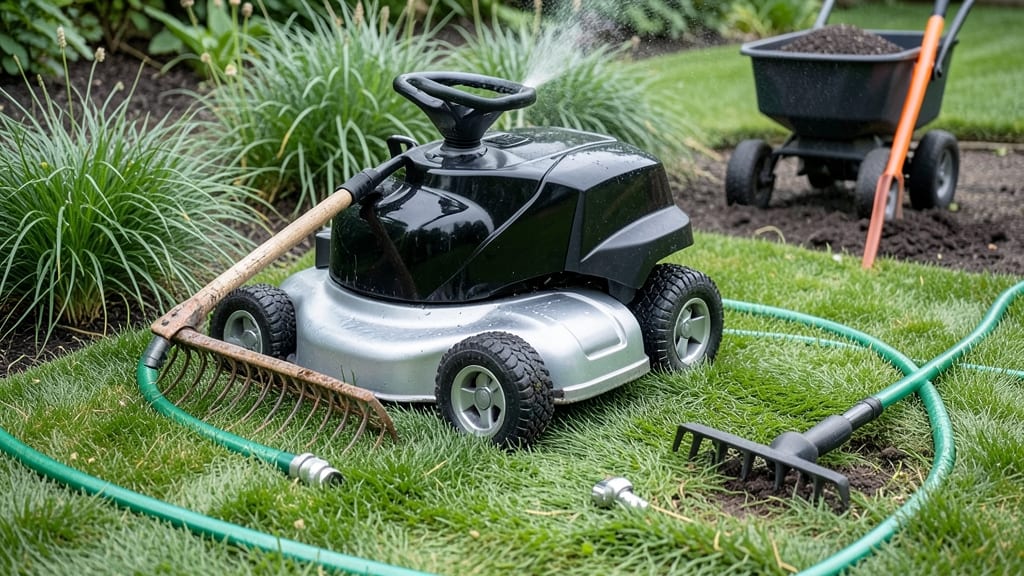
DC’s clay-heavy soil and relentless humidity turn lawn care into a battle against brown patches and pests. 🌱 I’ve spent years fighting grubs, chinch bugs, and that stubborn clay compacting underfoot—until I figured out the right amendments and seasonal timing that actually work here.
The secret isn’t just watering or mowing—it’s soil aeration in spring to break up that clay, overseeding with shade-tolerant grasses like fine fescue, and targeted treatments for grubs before they hatch.
Most guides ignore DC’s specific challenges, but these tweaks keep my lawn lush even through summer’s heat and winter’s freeze-thaw cycles. You’ll see thicker growth in 60 days, fewer brown spots by summer, and a lawn that actually stays green through DC’s brutal humidity.
The key is working with the climate, not against it—no more guessing what’s supposed to work here. Local resources like the DC Department of the Environment’s soil testing make this easier.
Let’s get your lawn thriving like the ones you see in Georgetown—without the generic advice that fails in our climate.
📚 In This Guide
- What you need
- Instructions
- Tips and common mistakes
- Wrapping up and next steps
What you need
- ● Quality grass seed: Choose tall fescue or perennial ryegrass (best for DC’s climate). Quantity: ~10 lbs per 500 sq ft.
- ● Topsoil or compost: 2–3 inches for new lawns or patchy areas. Type: Well-draining, organic-rich blend.
- ● Fertilizer: Slow-release: 30-0-4 or 20-5-10 (spring/fall). Apply: 1 lb per 100 sq ft.
- ○ Quick-release (optional): For summer stress. Use: 0.5 lb per 100 sq ft.
- ● Mulch (straw or peat): To retain moisture. Spread: Lightly over seeded areas.
- ● Pesticides/herbicides (if needed): Pre-emergent for weeds (spring), post-emergent for broadleaf weeds.
- ● Lawn mower: Self-propelled (for large yards) or push (smaller areas). Height setting: 3–4 inches in summer.
- ● Rake: Bow rake (for debris) + leaf rake (fall cleanup).
- ● Aerator: Manual or rental (spring/fall). Frequency: Every 12–18 months.
- ● Spreaders: Broadcast: For seeds/fertilizer on slopes.
- ● Drop: For precise application.
- ● Soil tester kit: Check pH (ideal: 6.0–7.0).
- ● Hose + sprinkler: Oscillating or rotary for even coverage. Water pressure: 20–30 PSI.
- ● Gloves + knee pads: Waterproof gloves + cushioned pads for comfort.
- ● Weather check: Seed in spring (March–April) or fall (September–October)—avoid DC’s summer heat!
- ● Soil test: Critical before fertilizing. DC’s clay soil often needs lime or sulfur adjustments.
- ● Irrigation plan: Water early morning (4–8 AM) to reduce evaporation.
- ● Deep watering: 1–1.5 inches per week (including rain).
- ○ Optional upgrades: Dethatcher: For thatch buildup (>0.5 inches).
- ● Soil conditioners: Gypsum (for compacted soil) or humic acid (for nutrient boost).
- ● Smart sprinkler controller: Saves water + time!
Step-by-Step lawn care routine for DC's humid climate
DC’s hot summers and damp springs demand a tailored approach—here’s how to keep your lawn lush year-round.
🌱 Step 1: Test Soil and Adjust pH Before Planting or Overseeding
DC’s clay-heavy soil often needs pH balancing before grass thrives. Grab a soil test kit from your local extension office—aim for a pH of 6.0 to 7.0 for cool-season grasses like tall fescue, which dominates DC lawns. If your soil tests acidic (below 6.0), apply lime in early fall (follow package rates for your square footage). For alkaline soil (above 7.0), sprinkle sulfur or peat moss in spring.
Here’s the thing—DC’s humidity makes soil pH shift faster than in drier climates. Retest every 2-3 years or after major weather events. I’ve seen lawns go from vibrant green to patchy brown overnight after a heavy rainstorm because the pH swung. If you’re overseeding in fall, do the test 6 weeks beforehand—you’ll need time for amendments to integrate.
💧 Step 2: Water Deeply 2-3 Times Weekly (Early Morning Only)
DC’s summer heat turns lawns into sponges, but shallow watering wastes resources and encourages shallow roots. Set your sprinkler for deep watering (1–1.5 inches per session)—check with a rain gauge or tuna can left overnight. Water before 8 AM to prevent fungal diseases like brown patch, which thrives in DC’s muggy evenings. The deep-and-infrequent method forces grass roots to grow downward, making them drought-resistant.
You’ll know you’re doing it right when the soil feels moist 6 inches deep (stick a screwdriver in—if it resists, water longer). I always water on days with no rain forecasted, and I adjust in summer when evaporation rates spike. If you see wilting by midday, your lawn needs more frequent deep sessions—not light daily sprinkles.
☀️ Step 3: Mow High and Sharpen Blades (3–4 Inches in Summer)
DC’s heat stresses grass, so never cut more than ⅓ of the blade height at once. Set your mower to 3–4 inches in summer (taller grass shades soil, reducing moisture loss). For cool-season grasses like fescue, keep it at 2.5–3.5 inches year-round. Dull blades tear grass instead of cleanly cutting it—sharpen mower blades every 20 hours of use or when you notice white or brown tips on blades.
Here’s where most DC homeowners mess up: they mow too short to "beat the weeds." But short grass burns in summer heat and invites crabgrass. I set a reminder to mow every 5–7 days in peak season, and I never bag clippings (they return nutrients to the soil). If your lawn looks stressed after mowing, you’re cutting too much—raise the deck and go slower next time.
✂️ Step 4: Aerate and Overseed in Early Fall (September–October)
DC’s clay soil compacts easily, smothering grass roots. Rent a core aerator (the kind that pulls out small soil plugs) and aerate in early fall when soil is moist but not soggy. Focus on high-traffic areas first—those plugs will fill in within a week. Immediately after aerating, overseed with tall fescue (DC’s best grass for shade and heat tolerance) and lightly rake in starter fertilizer. Water lightly daily until new grass sprouts (7–14 days).
This is the moment that matters: Fall overseeding fixes thin spots before winter. I’ve seen lawns go from 30% bare to fully green in 6 weeks with this method. If you’re dealing with bare patches, mix in a thin layer of compost after aerating—it helps new seeds establish faster in DC’s heavy soil.
🪴 Step 5: Apply Pre-Emergent in Early Spring (Before Crabgrass Sprouts)
DC’s spring rains trigger crabgrass like nothing else. Apply pre-emergent herbicide in March (before soil temps hit 55°F consistently) to block weeds before they germinate. Use a slow-release granular formula—it lasts longer in humid climates. Water lightly after application to activate it, but avoid heavy rain for 24 hours. Reapply in late summer if you see crabgrass creeping in.
Don’t skip this (I learned the hard way). Skipping pre-emergent means fighting crabgrass all summer, and those weeds steal nutrients from your grass. If you’re organic, use corn gluten meal as a natural pre-emergent—apply it in late winter when soil is workable. Just know it’s less effective than synthetic options in DC’s aggressive weed climate.
Tips & tricks for perfect DC lawn care year-round
DC’s climate throws curveballs—here’s how to turn those challenges into lush, green victories without the guesswork.
Soil Testing Timing: The 6-week window before overseeding in Step 1 is non-negotiable in DC’s humidity. I’ve seen pH corrections fail when homeowners rush it—amendments need time to integrate into that dense clay. Test again after heavy rainstorms too; DC’s acidity spikes faster than in drier regions. For a quick check between tests, press a plastic spoon into the soil—if it’s sticky and smells sour, your pH is likely too low.
Watering Precision: Those 1–1.5 inches per session in Step 2 require patience. Use a straight-sided container (like a clean tuna can) placed in different lawn zones overnight—if it collects less than 1.5 inches, extend your watering time. DC’s summer heat demands adjustments: increase to 2–3 sessions weekly when temps hit 90°F+, but never water after 8 AM or you’ll invite brown patch fungus. I set my sprinkler timer for 20 minutes and adjust based on the can test—this method saves water while keeping roots deep.
Mowing Strategy: The 3–4 inch summer height in Step 3 isn’t just about looks—it’s your grass’s sunscreen. I’ve watched lawns go from vibrant to crispy in weeks when cut too short. For high-traffic areas, consider a reel mower—its sharp blades cut cleaner than rotary mowers, reducing stress. And here’s the secret: mow when grass is dry but blades are still cool (early morning). Wet grass clumps and tears, leaving your lawn vulnerable to disease in DC’s damp air.
Fall Aeration Boost: When aerating in Step 4, focus on a checkerboard pattern—leave 6-inch gaps between passes to avoid over-compacting. After overseeding, I cover the area with a thin layer of straw (not hay—it can introduce weeds) to protect seeds from DC’s unpredictable fall rains. Water lightly twice daily until germination (7–14 days), then taper to once daily. This creates the perfect microclimate for those new roots to establish before winter.
Pro Tips for Lawn Care Dc
- DC’s climate throws curveballs—here’s how to turn those challenges into lush, green victories without the guesswork.
- Soil Testing Timing: The 6-week window before overseeding in Step 1 is non-negotiable in DC’s humidity.
- Watering Precision: Those 1–1.5 inches per session in Step 2 require patience.
Frequently asked questions
When is the best time to fertilize my lawn in DC?
For DC’s humid climate, fertilize in early spring (March-April) and fall (September-October). Avoid summer heat, which can stress grass. Slow-release, organic fertilizers work best—just follow the label for rates. Pro tip: Test your soil first to avoid over-fertilizing!
How often should I water my lawn in DC’s heat?
Water deeply 2-3 times per week (early morning, 4-6 AM) rather than daily shallow watering. Aim for 1 inch per week, adjusting for rain. Overwatering wastes resources and invites fungus. Check: Dig a 6-inch hole—if soil is dry, water again!
What’s the fastest way to get rid of grubs or chinch bugs in my DC lawn?
Start with preventative treatments in early summer (grubs) or late summer (chinch bugs). Use beneficial nematodes or insecticidal soap for organic control. For severe infestations, apply imidacloprid (follow label instructions). Act fast: Thinning grass = easier pest access!
Is hiring a lawn care service worth it in DC?
Yes, if you lack time or expertise! DC’s humid climate demands consistent care. Services handle mowing, aeration, and pest control—saving you 10+ hours/month. Compare quotes: Basic plans start at $50/month, while full-service packages (including fertilization) cost $100–$200/month.
Can I still mow my lawn if it’s raining or humid?
Wait until grass is dry—mowing wet grass clumps soil, spreads disease, and dulls blades. Humidity + heat = perfect fungus conditions. Mow when temps are <60°F (early morning) and avoid midday heat. Leave grass taller (3–4 inches) in summer to retain moisture!
What’s a low-maintenance alternative to traditional grass in DC?
Consider clover mixes (drought-resistant, fixes soil) or native ground covers like creeping thyme. Artificial turf (if budget allows) eliminates mowing but requires cleaning. For partial sun, hostas or sedum thrive with minimal water. Note: Check HOA rules first!
Wrapping up and next steps
Maintaining a lush, vibrant lawn in DC’s humid climate is totally achievable with the right care—whether you’re tackling seasonal shifts, soil health, or pest control.
From choosing the perfect grass type to mastering watering techniques and seasonal prep, this guide has given you the tools to keep your yard thriving year-round. 🌱
Ready to roll up your sleeves? Start by auditing your lawn this weekend—check for bare spots, adjust your mowing height, or plan your first deep watering. Small steps lead to big results, and soon, your neighbors will be asking for your DC lawn care secrets! 🌿