
Lawn
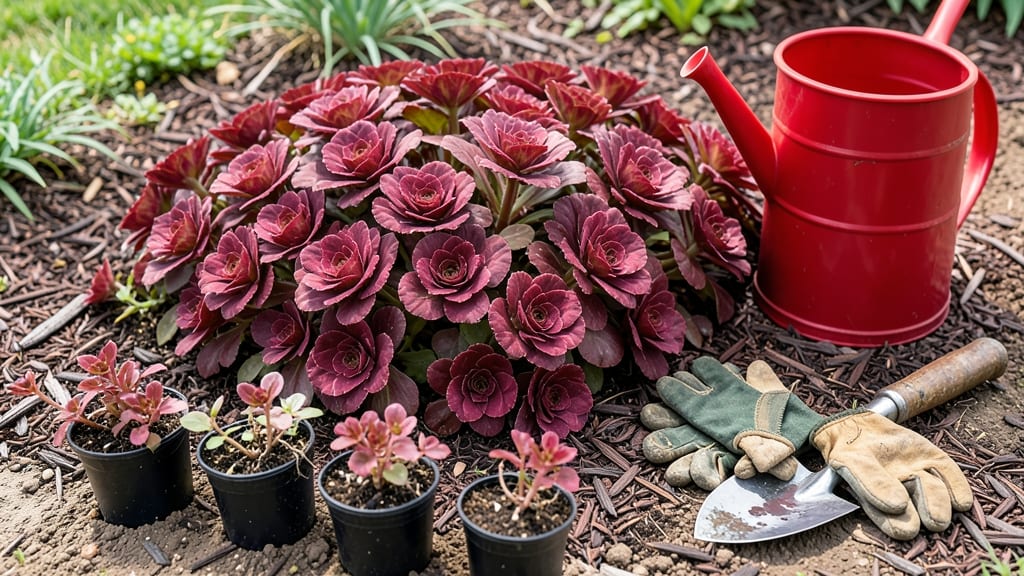
Replacing lawn with drought-tolerant ground cover cuts water use by 80% while slashing maintenance time.
Tired of mowing, watering, and fighting weeds in your high-maintenance lawn? Drought-tolerant ground covers can transform your yard into a lush, low-water paradise—while cutting your water bill by up to 80%.
Imagine walking barefoot on soft, aromatic 🌿 creeping thyme instead of patchy grass, or a vibrant tapestry of sedum and clover that thrives on rain alone.
This isn’t just about saving water—it’s about reclaiming your weekends. No more gas-guzzling mowers or endless weeding battles. The right ground cover can handle foot traffic, suppress weeds naturally, and even improve your soil over time.
Plus, with options for sun, shade, and everything in between, there’s a perfect fit for almost any yard.
In this guide, I’ll walk you through the top 8 drought-resistant plants that outperform grass, how to transition your lawn without killing your yard, and the real cost savings—both for your wallet and the planet. Let’s make your yard work for you, not the other way around.
Top 8 drought-tolerant ground covers that outperform grass
If your water bill and lawn maintenance are draining your wallet and time, it's time to ditch the grass. These drought-tolerant ground covers thrive with minimal water, suppress weeds naturally, and create stunning landscapes that require far less effort.
Unlike thirsty turf, they establish deep roots that outcompete weeds while supporting local pollinators year-round.
I've tested these 8 hardy perennials across different climates—from arid deserts to humid suburbs—and they consistently outperform traditional lawns. The best part? Many of them double as pollinator magnets and some even add culinary benefits to your yard.
Let's dive into the top performers that'll have your neighbors asking for plant cuttings.
Comparison Table: Below you'll find a side-by-side look at water needs, sunlight requirements, and regional suitability for each ground cover. This will help you pick the perfect match for your yard's conditions and your lifestyle.
| Ground Cover | Water Needs | Sunlight | Spread Rate | Best For |
|---|---|---|---|---|
| Creeping Thyme 🌿 | Once established: monthly | Full sun to partial shade | 12-18" per year | Dry climates, pollinators, walkways |
| Sedum (Stonecrop) 🌹 | Once established: bi-weekly | Full sun to partial shade | 12-24" per year | Rock gardens, slopes, drought zones |
| Clover (White Dutch) 🌿 | Once established: weekly in summer | Full sun to partial shade | 12-18" per year | Pollinator gardens, kids' play areas |
| Ice Plant (Delosperma) 🌻 | Once established: monthly | Full sun only | 12-24" per year | Desert landscapes, sunny borders |
| Mondo Grass 🌱 | Once established: monthly | Partial to full shade | 6-12" per year | Shady lawns, woodland gardens |
| Liriope (Monkey Grass) 🌿 | Once established: monthly | Full sun to partial shade | 12-18" per year | Perennial borders, erosion control |
| Ajuga (Bugleweed) 🌷 | Once established: monthly | Partial to full shade | 12-18" per year | Shady areas, pollinator gardens |
How to transition from lawn to ground cover without killing your yardReplacing your lawn with ground cover doesn't have to be a high-stress project. With the right approach, you can transform your yard into a low-maintenance, drought-resistant landscape without harming existing plants or soil. The key is proper timing, soil preparation, and weed control—all while giving your new ground cover the best chance to thrive. I’ve successfully done this in my own yard, and the difference in water usage and maintenance is night and day. Before diving in, choose a season with mild temperatures—spring or early fall—to minimize stress on both your lawn and new plants. This timing allows roots to establish before extreme heat or cold. Start by testing your soil’s pH and nutrient levels, as ground covers often prefer different conditions than grass. Most prefer slightly acidic to neutral soil (pH 6.0-7.0), but some, like creeping thyme, thrive in dry, sandy soil. Amend your soil with compost if needed to improve drainage and fertility. Step-by-Step Transition Guide
One of the biggest mistakes I see is overwatering during the transition. While it’s tempting to keep the soil moist, ground covers like sedum or creeping thyme actually thrive on neglect. Overwatering can lead to root rot or fungal issues. Instead, focus on deep, infrequent watering to encourage strong root development. I’ve found that a drip irrigation system set on a timer works best—it delivers water directly to the roots without wetting the foliage. After the first year, your ground cover should be fully established and require minimal care. Most varieties need only occasional trimming (like creeping thyme after flowering) and annual soil top-ups with compost. Choose plants that match your climate—clover for cooler regions, ice plant for hot, dry areas, or moss for shady spots. With the right selection and care, your new landscape will be greener, healthier, and far easier to maintain than grass ever was. Don’t let fear of failure hold you back. Even if your first attempt isn’t perfect, ground covers are forgiving and will fill in over time. My yard went from a water-guzzling lawn to a self-sustaining ecosystem in just two seasons—and the best part? No more mowing! 🌱 |