
Lawn
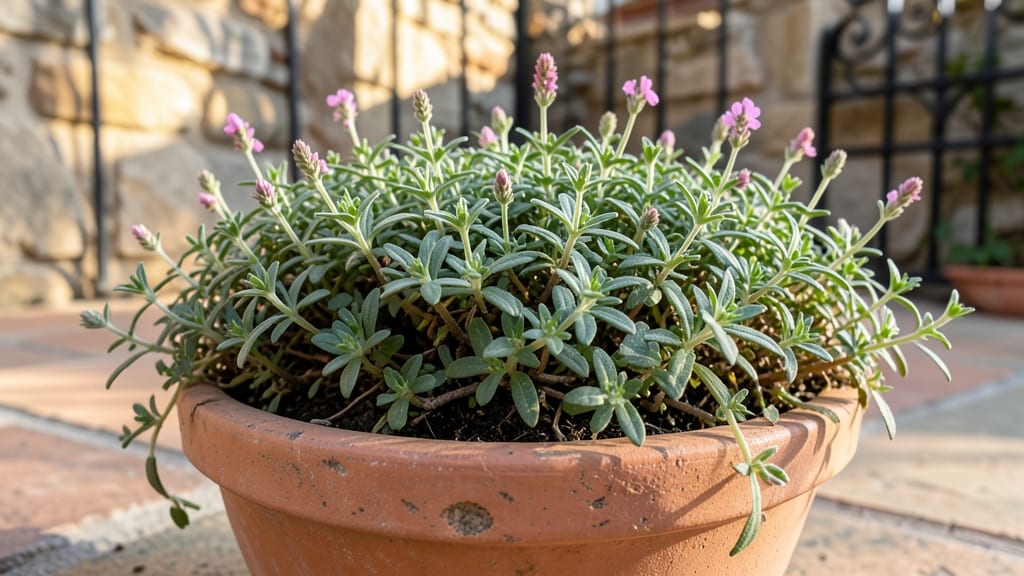
Winter-proofing your creeping thyme lawn means keeping that sun-kissed green carpet vibrant even when frost nips at the edges. ✨ I’ve watched my thyme survive sub-zero temps with just a little prep—no shivering, no brown patches, just steady growth waiting for spring.
The secret? A few simple steps that protect its roots and preserve its signature fragrance through the cold months.
First, resist the urge to trim back too much in fall—creeping thyme needs its foliage to shield roots from freezing temperatures. Instead, give it a light haircut in early spring to reveal fresh, mint-scented growth.
A 2-inch layer of mulch (straw or pine needles work best) acts like a cozy blanket, insulating roots while letting moisture escape—no soggy soil, no rot. And if snow falls? Let it stay; it’s free insulation.
By spring, you’ll see thyme bouncing back faster than most lawns, with a dense, velvety texture that outlasts traditional grass. The best part? It stays green when other plants fade, turning your yard into a fragrant, low-maintenance oasis that hummingbirds and bees adore.
No fertilizers, no pesticides—just resilience built into the plant.
Works in zones 4 through 9, whether you’re in a snowy Midwest yard or a mild Pacific Northwest climate. The key is timing: mulch before the first hard freeze, trim in early spring, and let nature do the rest.
Here’s how to make it happen without a single dead patch in sight.
📚 In This Guide
- What you need
- Instructions
- Tips and common mistakes
- Wrapping up and next steps
What you need
- ● Creeping thyme plants: 10–15 plants per 100 sq. ft. (choose Thymus serpyllum or Thymus praecox for hardiness).
- ● Well-draining soil: Mix 50% topsoil with 50% coarse sand or perlite (1–2 bags per 100 sq. ft.).
- ● Compost or organic mulch: 2–3 inches to enrich soil (1 bag per 10 sq. ft.).
- ○ Lawn edging (optional but recommended): Flexible metal or plastic strips to define borders.
- ● Garden rake: Medium-tooth rake for leveling soil.
- ● Hand trowel or transplanting spade: For planting individual thyme sprigs.
- ● Watering can or hose with a gentle spray nozzle: Avoid over-saturating roots.
- ● Pruners: Sharp, clean pruners for trimming (sterilize with rubbing alcohol).
- ● Winter mulch (straw or pine needles): 1–2 inches to insulate roots (apply after first frost).
- ● Slow-release fertilizer: Low-nitrogen, high-phosphorus (5-10-10 ratio) for root strength.
- ● Soil pH test kit: Aim for 6.0–7.0 (thyme thrives in slightly acidic to neutral soil).
- ● Landscape fabric: Under mulch to suppress weeds (lay before adding straw).
- ● String trimmer or edging tool: For crisp, clean borders.
- ● Drip irrigation system: For consistent moisture (especially in dry winters).
Step-by-Step guide to preparing creeping thyme for winter
Here’s how I keep my creeping thyme lawn lush through winter—no brown patches or bare spots.
🪴 Step 1: Assess and Adjust Soil Conditions Before Frost
Before the first hard frost, walk your creeping thyme lawn and look for thin spots or areas where the ground shows through. These spots need extra attention to survive winter. I like to lightly rake these areas to loosen the top ½ inch of soil—just enough to wake up any dormant roots without disturbing the established plants.
Spread a thin layer (¼ inch) of compost over the entire lawn to boost organic matter. Focus on the thin areas first, then lightly rake it in. This adds nutrients and improves drainage, which prevents winter rot. Avoid heavy mulch—creeping thyme hates being smothered.
☀️ Step 2: Prune and Thin for Airflow and Sunlight
In late fall, give your creeping thyme a light trim with sharp shears. Cut back any leggy growth or stems that have overgrown by about ⅓ of their height. This encourages denser growth in spring and prevents mold from trapping moisture. Watch for stems that look brown or crispy—these should be removed entirely to keep the lawn healthy.
If your thyme has spread too aggressively, thin out crowded patches by carefully pulling up some stems. Aim for 2-3 inches between stems in mature areas. This improves airflow, which is critical for preventing fungal issues during winter’s damp spells. You’ll see a more uniform, carpet-like appearance after this step.
💧 Step 3: Water Strategically Before Dormancy
Water your creeping thyme lawn deeply 2-3 weeks before the first frost, but only if the top 2 inches of soil feel dry. This encourages roots to absorb moisture and store it for winter. After this final watering, let the soil dry out completely before the ground freezes—soggy soil leads to rot.
If you live in a region with heavy snowfall, avoid watering after the first frost. Snow acts as natural insulation, and extra moisture can suffocate the plants. Instead, brush off excess snow in late winter to prevent mold buildup. You’ll know your thyme is ready for winter when the leaves turn a dull green and growth slows.
✂️ Step 4: Protect and Monitor Through Winter
Once winter arrives, cover thin or newly planted areas with a lightweight frost cloth if temperatures drop below 15°F. Secure the edges with rocks or pins to prevent wind damage. Avoid heavy blankets—they trap too much moisture and can cause rot. Check the cloth every few weeks to ensure it’s not accumulating snow or ice.
In early spring, remove the frost cloth as soon as daytime temperatures consistently stay above 40°F. You’ll see new growth within 2-3 weeks, signaling that your thyme is waking up. If you notice any brown patches in spring, gently rake them and add a thin layer of compost to revive the area.
Tips & tricks for perfect creeping thyme lawn winter care
Here's what I learned after years of keeping my creeping thyme lawn vibrant through every winter—these small details make all the difference.
Soil Prep Secret: When you're loosening that top ½ inch of soil in Step 1, focus on the thin areas first. I use a small hand rake with fine teeth to avoid damaging the delicate roots. The key is to just break up the surface—don't dig deeper than necessary. This helps the compost work its magic without disturbing the established root system too much.
Pruning Precision: In Step 2, when you're cutting back leggy growth by ⅓, use sharp shears and make clean cuts just above a leaf node. This encourages new growth from the base rather than the tips. I always prune on a dry day—wet stems can tear and invite disease. For aggressive spreaders, thin in a grid pattern rather than randomly to maintain that uniform look.
Winter Protection Strategy: For Step 4's frost cloth coverage, I recommend using a breathable fabric that allows some airflow—like a lightweight landscape fabric rather than heavy blankets. When temperatures drop below 15°F, secure the edges tightly with landscape staples or bricks. This prevents wind from lifting the cloth and creating cold pockets where frost can form directly on the thyme.
Pro Tips for Creeping Thyme Lawn Winter
- Here's what I learned after years of keeping my creeping thyme lawn vibrant through every winter—these small details make all the difference.
- Soil Prep Secret: When you're loosening that top ½ inch of soil in Step 1, focus on the thin areas first.
- Pruning Precision: In Step 2, when you're cutting back leggy growth by ⅓, use sharp shears and make clean cuts just above a leaf node.
Frequently asked questions
Got questions about keeping your creeping thyme lawn lush and green through winter? Here are some common ones—and their answers!
Will creeping thyme die in winter?
Nope! Creeping thyme is a hardy perennial that thrives in winter. It stays green in mild climates (USDA Zones 5-9) and may turn brown but revives in spring. In colder zones, it might go dormant but returns strong once temperatures rise.
Do I need to mow creeping thyme in winter?
Skip the mower! Creeping thyme grows slowly in winter, and mowing can stress the plants. Instead, let it grow naturally—it’ll self-correct in spring. If it looks messy, a light trim in early spring (after frost) works best.
Can I walk on creeping thyme in winter?
Yes, but tread lightly! While creeping thyme handles foot traffic better than grass, heavy winter boots can compact the soil. Stick to paths or wear soft-soled shoes to protect the delicate stems and encourage regrowth in spring.
What’s the best alternative if creeping thyme doesn’t survive winter?
If winters are harsh (Zone 4 or colder), consider sedum (like Sedum spurium) or moss as low-maintenance, cold-tolerant ground covers. These stay green, handle shade, and bounce back faster than thyme in freezing temps.
How do I protect creeping thyme from winter pests or disease?
Creeping thyme is pest-resistant, but slugs/snails might nibble in damp winters. Use organic slug bait or diatomaceous earth if needed. Avoid overwatering—wet conditions invite fungal issues. A light mulch (like straw) can help insulate roots without smothering the plants.
When is the best time to reseed bare spots in spring?
Wait until after the last frost (when soil temps hit 60°F+) to reseed. Spring is ideal because creeping thyme germinates best in warm conditions. Thinly scatter seeds, press into soil, and water gently—no need for heavy mulch.
Wrapping up and next steps
Transforming your sun-drenched yard into a year-round green carpet with creeping thyme is totally doable—and oh-so-rewarding! 🌿 This hardy, drought-resistant ground cover thrives in winter, offering low-maintenance beauty with minimal effort.
Whether you’re tackling a new project or sprucing up an existing lawn, creeping thyme delivers color, texture, and resilience that keeps your outdoor space vibrant all season long.
Ready to take the next step? Start small—test a patch in a sunny corner, gather your supplies, and dive in! With the right prep and care, you’ll soon be enjoying a lush, fragrant lawn that turns heads (and envy) in every season. Happy gardening! 🌟