
Lawn
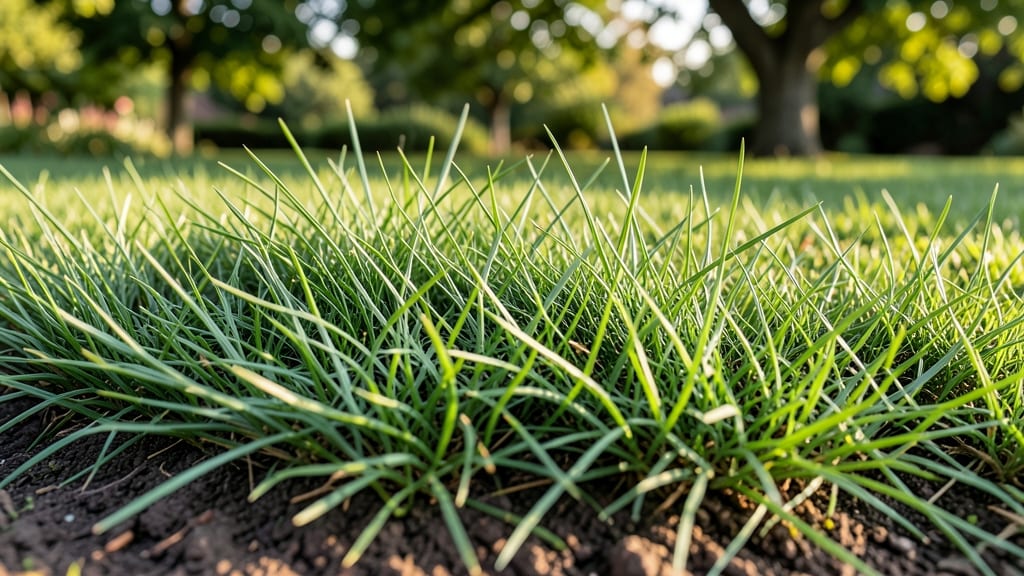
Your lawn’s foundation starts with the right grass for your climate and timeline. Cool-season grasses like fescue and ryegrass thrive in spring and fall, while warm-season varieties like Bermuda and Zoysia peak in summer—choosing the wrong one means thin patches and extra work.
I’ve seen firsthand how a mismatched variety can turn your yard into a battleground of weeds and bare spots by midseason.
The secret to a lush lawn isn’t mystery—it’s prep. Test your soil (pH matters!), till in compost for nutrients, and rake seeds evenly into loose soil. Water lightly twice daily for the first two weeks to keep seeds moist but not soggy.
My first attempt ended with half the lawn drying out; now I set a timer to avoid overwatering or drowning the roots.
By month three, you’ll have a carpet of green that resists weeds and recovers from foot traffic. The key is consistency: mow high (3–4 inches) to shade roots, fertilize seasonally, and aerate compacted soil. Even in summer droughts, a well-established lawn stays vibrant—no more patchy eyesores or neighbor-jealousy moments.
Adapt this approach to your region: Northern gardens lean cool-season, Southern lawns often go warm-season. Either way, the principles stay the same—just tweak the timing. Let’s get your grass growing the right way from day one.
📚 In This Guide
- What you need
- Instructions
- Tips and common mistakes
- Wrapping up and next steps
What you need
- ● Grass seed: Cool-season: Kentucky Bluegrass, Tall Fescue, or Perennial Ryegrass (10–15 lbs per 1,000 sq ft)
- ● Warm-season: Bermuda, Zoysia, or St. Augustine (8–12 lbs per 1,000 sq ft)
- ● Soil test kit (check pH and nutrient levels)
- ● Lawn fertilizer: Slow-release (16-4-8 or similar, 1 lb per 100 sq ft)
- ● Topsoil or compost (2–3 inches for poor soil, 1–2 inches for amendments)
- ● Rake (bow or leaf rake, medium-tooth for seedbed prep)
- ● Spreaders: Broadcast spreader (for seed)
- ● Drop spreader (for fertilizer)
- ● Water source (hose with adjustable nozzle or sprinkler)
- ○ Lawn roller (optional but helpful for seed-to-soil contact)
- ● Soil conditioners: Gypsum (for clay soil) or peat moss (for sandy soil)
- ● Pre-emergent herbicide (apply before seeding to prevent weeds)
- ● Mulching straw (light layer to protect seed from erosion)
- ● Lawn aerator (for compacted soil, especially in warm-season climates)
- ● Garden gloves & knee pads (because comfort matters!)
Step-by-Step guide to planting cool-season vs warm-season grass
Here's how I time grass planting for a lush lawn all year—no more guessing when to start.
Determine Your Grass Type and Climate Zone
First, identify whether you’re planting cool-season or warm-season grass. Cool-season types like Kentucky bluegrass, fescue, and ryegrass thrive in 50-80°F temperatures and grow best in early spring (March-April) or early fall (August-September). Warm-season grasses like Bermuda, Zoysia, and St. Augustine prefer 75-95°F and should be planted in late spring (May-June).
Check your USDA hardiness zone to fine-tune timing. For example, if you're in Zone 5, cool-season grass should go in early spring before soil warms above 60°F. In Zone 8, warm-season grass needs to be in the ground by early June to establish before summer heat peaks. Your local extension office can confirm exact dates if you're unsure.
Prepare the Soil Before Planting
Test your soil’s pH and fertility at least 4-6 weeks before planting. Cool-season grass prefers pH 6.0-7.5, while warm-season grass thrives in pH 6.0-7.0. Amend the soil with 2-3 inches of compost and till it to a depth of 4-6 inches to loosen compacted layers. Remove all weeds, rocks, and debris—this ensures your grass has no competition for nutrients.
If your soil is heavy clay or sandy, mix in 2-3 inches of topsoil to improve drainage and moisture retention. For new lawns, consider a starter fertilizer with high phosphorus (P) to encourage strong root development. Avoid fresh manure—it can burn tender grass seedlings.
Plant Grass Seed or Sod at the Right Time
For cool-season grass seed, scatter it evenly over prepared soil using a broadcast spreader. Lightly rake the seed into the top ¼ inch of soil to ensure good seed-to-soil contact. Water immediately to a depth of ½ inch, keeping the soil consistently moist (not soggy) until germination, which typically takes 7-21 days depending on the variety and weather.
For warm-season grass seed, wait until the soil temperature reaches 65°F before planting. Use a slit seeder to create ½-inch-deep furrows spaced 6-12 inches apart, then drop seeds into the furrows and cover lightly. Sod should be laid in early morning or late afternoon to reduce stress from heat. Water sod daily for the first 2 weeks to encourage rooting.
Maintain Proper Watering and Mowing Schedule
After planting, water deeply 1-2 times per week (about 1 inch total) to encourage deep root growth. Cool-season grass needs 1-1.5 inches of water weekly during establishment, while warm-season grass should get ½ inch 2-3 times per week once roots are established. Avoid shallow, frequent watering—it promotes weak, shallow roots.
Wait to mow until the grass reaches 3-4 inches tall, then cut it to 2-3 inches for cool-season types and 1-2 inches for warm-season types. Never remove more than ⅓ of the blade height at once. Sharpen your mower blades regularly to prevent tearing grass, which stresses the plant and invites disease.
Transition Between Seasons for Year-Round Health
In late fall, reduce watering for cool-season grass as temperatures drop below 50°F to prevent fungal diseases. For warm-season grass, gradually reduce mowing as growth slows in autumn, and stop fertilizing by early November. In early spring, aerate the lawn if soil is compacted, then apply a balanced fertilizer (10-10-10) to support new growth.
If you’re transitioning from cool-season to warm-season grass (or vice versa), overlap planting times by 4-6 weeks to ensure a smooth shift. For example, plant warm-season grass in late May and cool-season grass in early September to maintain a green lawn year-round. Monitor for pests like grubs or chinch bugs—treat early to avoid widespread damage.
Tips & tricks for perfect grass planting timing
Timing your lawn planting right makes all the difference between a patchy mess and a lush, healthy yard. Here's what I've learned from years of trial and error to help you get it right every time.
Soil Temperature Matters: The 60°F and 65°F soil temperature thresholds mentioned in Step 1 are non-negotiable for successful germination. Use a soil thermometer to check—stick it in the ground about 4 inches deep in the morning. For cool-season grass, planting when soil temps are below 60°F ensures the seed won't bake in the sun. Warm-season grass needs that 65°F minimum to activate its growth hormones properly. I've seen seed fail to sprout when planted too early in warm soil or too late in cool soil.
Weather Watching: Pay attention to the 10-day forecast before planting. Aim for consistent temperatures without extreme heat or cold—cool-season grass needs 50-80°F range, while warm-season grass thrives in 75-95°F. If rain is predicted within 3-5 days of planting, delay your schedule. Too much rain can wash away newly planted seed or create waterlogged conditions that suffocate roots. I once planted cool-season grass right before a heatwave, and it took twice as long to germinate because the soil dried out too quickly.
Seed Depth and Contact: That ¼-inch depth for cool-season seed in Step 3 is perfect—any deeper and it won't get enough light to sprout. For warm-season grass, those ½-inch-deep furrows create the ideal environment. After planting, use your hand to gently press the soil around seeds to ensure maximum contact. I've found that a simple garden rake works better than a roller for this—it creates a textured surface that holds moisture while allowing air circulation.
Watering Strategy: The ½ inch initial watering depth is crucial, but what comes after makes the difference. Water in the early morning to reduce evaporation and fungal risks. For the first 2 weeks with sod, check moisture daily—sod should feel damp about 1 inch below the surface. I've seen many people overwater, thinking more is better, but this can actually suffocate roots. A good rule is to water until you see runoff, then let the excess drain away within 30 minutes.
Pro Tips for Grass And Lawn
- Timing your lawn planting right makes all the difference between a patchy mess and a lush, healthy yard. Here's what ...
- Soil Temperature Matters: The 60°F and 65°F soil temperature thresholds mentioned in Step 1 are non-negotiable for su...
- Weather Watching: Pay attention to the 10-day forecast before planting. Aim for consistent temperatures without extre...
Frequently asked questions
What’s the best time to plant grass seed in my region?
The ideal planting time depends on your grass type: cool-season grasses (like Kentucky bluegrass or fescue) thrive when soil temps are 50–65°F (early spring or fall). Warm-season grasses (like Bermuda or Zoysia) need 65–75°F soil temps (late spring to early summer). Check your USDA hardiness zone for precision!
How long does it take for new grass to grow?
Germination varies by type: cool-season grasses sprout in 7–21 days, while warm-season can take 10–30 days. Full coverage (mowing height) usually takes 3–6 weeks. Patience pays off—avoid heavy foot traffic until roots establish!
How often should I water my lawn after planting?
Keep soil consistently moist (not soggy) for the first 2 weeks. Water lightly daily (5–10 mins) or deeply every other day (15–20 mins). Once sprouted, reduce to 1–1.5 inches per week (including rain). Early morning watering prevents disease.
Can I overseed an existing lawn, or do I need to reseed?
Overseeding (spreading seed over existing grass) works for thin spots or cool-season lawns in fall. Reseeding (removing old grass) is better for warm-season transitions or heavily damaged areas. Mow low, dethatch, and aerate first for best results!
How do I keep weeds out of my new lawn?
Prevent weeds by watering deeply (shallow water = weed heaven), mowing high (3–4 inches for cool-season), and applying pre-emergent herbicide in early spring/fall. Hand-pull weeds early—they’re easier to remove when young!
What if my grass turns brown or patchy after planting?
Brown patches often mean drought stress, disease, or poor drainage. Check soil moisture, reduce foot traffic, and avoid mowing until grass recovers. For fungal issues, use a fungicide and improve airflow. If soil is too dry, water deeply and mulch lightly.
Wrapping up and next steps
Crafting the perfect lawn—whether you’re nurturing cool-season or warm-season grass—is all about timing, patience, and a little know-how! 🌱 By following the right planting calendar, choosing the best grass type for your climate, and preparing your soil, you’ll be well on your way to a lush, green space that’s the envy of the neighborhood. Ready to take the next step? Start by testing your soil and selecting seeds or sod tailored to your region—your future lawn will thank you!
Pro tip: Keep a lawn journal to track progress and adjust care as needed. Happy growing! ✨