
Lawn
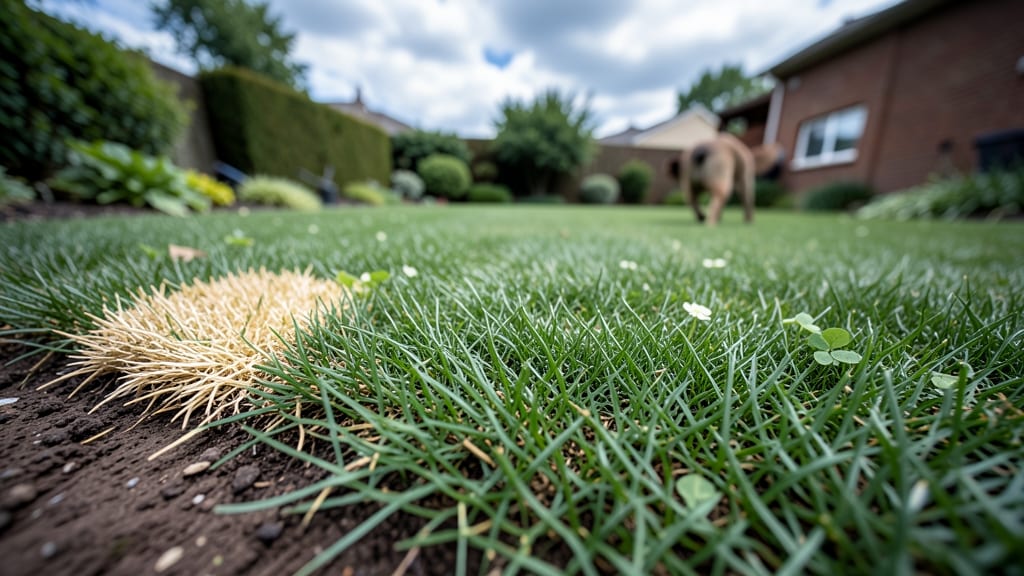
Dog urine is turning your lawn into a patchwork of brown—unless you act fast. 🌱 The ammonia in fresh dog pee burns grass within hours, but the right steps can revive it in 24 hours or less.
I’ve saved countless lawns from permanent damage by diluting urine spots, adjusting watering, and using simple fixes that work even on stubborn patches.
Most people think dog pee damage is permanent, but it’s actually a nitrogen burn problem—too much of a good thing at once. The key is breaking down the ammonia before it can harm grass roots.
A quick rinse with water, followed by a diluted vinegar spray, neutralizes the burn and restores moisture balance. Even better, overseeding damaged areas with fast-growing grass seed fills in bare spots before they become weeds.
By morning, your lawn will look revived with vibrant green where brown patches once were. The stink fades too, thanks to natural decomposition. This method works for any grass type—even the pickiest Kentucky bluegrass or fescue.
The secret? Speed and consistency. Act within hours, and your lawn stays lush year-round.
For long-term fixes, train your dog to pee in one spot (like a gravel area) or switch to artificial turf if your yard can’t handle the wear. Either way, your grass will thank you. Let’s get that lawn back to its best in no time!
The Science Behind Urine Damage
When your pup does their business on the lawn, it’s not just a mess—it’s a chemical reaction that can wreak havoc on your grass. Understanding why dog urine harms lawns is the first step to fixing the problem. Below, we break down the key culprits and the science behind them.
Dog urine is highly concentrated in nitrogen, primarily in the form of urea. When this urea breaks down in the soil, it releases ammonia (NH₃), a compound that’s toxic to grass in high doses. Here’s how it works:
- Step 1: Your dog’s bladder converts waste into urea, which is excreted in urine.
- Step 2: Soil bacteria convert urea into ammonium (NH₄⁺), which can either be absorbed by grass or release ammonia gas.
- Step 3: If the nitrogen load is too high, the grass can’t absorb it fast enough. The excess ammonia burns plant cells, causing yellowing or dead patches.
Pro Tip: 💡 Dilution is key! Encourage your dog to pee in multiple spots (instead of one concentrated area) by training them to lift their leg in different locations. This spreads the nitrogen load and reduces damage.
While nitrogen gets most of the blame, dog urine also contains uric acid, which can lower soil pH over time. Here’s why that’s a problem:
- Uric acid is more acidic than urea and breaks down into ammonium and carbon dioxide, creating a slightly acidic environment.
- Most lawn grasses (like Kentucky bluegrass or fescue) thrive in a neutral to slightly acidic pH (6.0–7.0). If the pH drops below 5.5, grass struggles to absorb nutrients like phosphorus and iron, leading to weak, discolored patches.
- Long-term effect: Chronically acidic soil can also lock up essential nutrients, making fertilization less effective.
Pro Tip: 🌡️ Test your soil! Use a home soil test kit to check pH. If it’s too low, apply lime (calcium carbonate) to neutralize acidity.
Concentrated urine doesn’t just harm grass chemically—it also draws moisture out of plant cells through a process called osmosis. Here’s how it happens:
| Mechanism | Effect on Grass |
|---|---|
| Dog urine has a high solute concentration (salts, urea, uric acid). | Water moves out of grass roots to balance the concentration. |
| Grass cells lose turgor pressure (become flaccid). | Leads to wilting, yellowing, or crispy brown patches—even if the soil is moist. |
| Repeated exposure weakens root systems. | Grass becomes more susceptible to drought and disease. |
Pro Tip: ✨ Flush the area! After your dog pees, lightly water the spot to dilute the urine and help grass recover faster. Aim for ¼ inch of water to avoid over-saturating the soil.
While soil bacteria normally break down urea into plant-friendly nutrients, an overload of dog urine can disrupt this balance. Here’s the breakdown:
- Good bacteria (like Nitrosomonas) convert ammonia into nitrates, which grass can use.
- Too much ammonia can overwhelm these bacteria, leading to:
- ❌ Ammonia gas buildup (toxic to grass roots).
- ❌ Fungal growth (e.g., Fusarium), which competes with grass for nutrients.
- ❌ Nutrient imbalances (e.g., too much nitrogen, not enough phosphorus).
Pro Tip: 🔥 Boost beneficial microbes! Apply a compost or microbial inoculant (like Mycorrhizal fungi) to help soil bacteria process nitrogen more efficiently.
Now that you know why dog urine damages lawns, the next step is learning how to reverse the damage—fast!
Revive Your Lawn in 24 Hours
Dog urine can turn your lush green lawn into a yellow, stinky patch—but don’t worry! With the right steps, you can neutralize the odor, restore your grass, and even prevent future damage.
Below are practical, fast-acting solutions tailored to the root cause of your problem, plus prevention tips to keep your lawn happy and healthy.
1. Dilute the Urine Right Away
The longer urine sits, the more damage it causes. Act fast with these steps:
- 💦 Rinse the Area Immediately Use a garden hose to thoroughly flush the spot where your dog peed. This washes away excess ammonia and urine salts before they seep into the soil.
- 🌱 Apply a Vinegar or Baking Soda Solution Mix 1 part white vinegar with 3 parts water (or 1 cup baking soda per gallon of water) in a spray bottle.
Lightly mist the affected area—this neutralizes ammonia and reduces odor. Avoid over-saturating the soil, as too much acidity can harm grass roots.
- 🌿 Rehydrate the Grass After rinsing, give the lawn a deep watering to help the grass recover. Focus on the yellowed patch for 10-15 minutes to encourage root regrowth.
2. Boost Soil & Grass Health
If the damage is deeper, your lawn needs a little extra TLC:
- 🌾 Overseed the Damaged Area Buy fast-growing grass seed (like ryegrass or annual ryegrass) and sprinkle it lightly over the yellowed spot. Keep the soil moist but not soggy for 7-10 days to help new blades take root.
- 💪 Use a Lawn Fertilizer (But Wait!) Avoid fertilizing right after your dog pees—it can worsen the burn. Instead, wait 3-5 days and apply a balanced, slow-release fertilizer (like 10-10-10) to strengthen the grass.
- 🌿 Try a Grass Reviver Spray Commercial products like BioAdvanced Lawn Restore or Scotts Turf Builder Grass Reviver contain beneficial microbes that help repair damaged grass. Follow the package instructions for best results.
3. Train Your Dog (Yes, It Helps!)
A well-trained dog = less urine damage. Try these tricks:
- 🐕 Teach a "Go Potty" Command Use a specific phrase (like "Do your business") when your dog pees outside. Over time, they’ll associate the command with relieving themselves in the right spot.
- 📍 Designate a "Pee Zone" Train your dog to use one specific area of the lawn (like a corner far from your garden). Use artificial turf or gravel in that spot to minimize damage.
- 💧 Increase Water Intake Diluted urine is less harmful!
Encourage your dog to drink more water by: - Leaving fresh water bowls out all day. - Adding dog-safe ice cubes (like frozen broth) to their water. - Avoiding dry kibble-heavy diets (switch to wet food or raw diets if possible).
4. Adjust Your Lawn Care Routine
Small changes to your yard can make a big difference:
- ✂️ Mow Higher in Hot Weather Taller grass (3-4 inches) shades the roots, reducing water loss and protecting them from urine burn.
- 🌧️ Water More Frequently (But Less Deeply) Light, frequent watering (2-3 times a day for 10-15 minutes) keeps the soil moist, which helps dilute urine before it causes damage.
- 🌿 Choose Urine-Resistant Grass Types Some grasses handle ammonia better than others. Consider:
- Tall Fescue (drought-resistant, recovers well)
- Kentucky Bluegrass (tolerates some urine)
- Buffalo Grass (naturally drought-tolerant)
5. Natural & DIY Solutions for Stubborn Spots
If your lawn still looks patchy, try these low-cost fixes:
| Problem | Solution | How to Apply |
|---|---|---|
| Persistent Yellow Patches | Corn Gluten Meal (pre-emergent herbicide alternative) | Sprinkle 1 lb per 100 sq ft in early spring. |
| Strong Ammonia Smell | Lemon Juice Spray (natural deodorizer) | Mix 1 lemon juice + 1 cup water, spray lightly. |
| Hardened Soil Crust | Sand Top Dressing | Spread a thin layer of coarse sand over the area and water in. |
- ⏳ Time Your Watering – Water your lawn right after your dog pees to flush out urine before it sets. - 🌡️ Avoid Fertilizing in Heat – High temperatures amplify urine damage.
Wait for cooler days. - 🎯 Test Your Soil pH – If your lawn is too acidic, add lime to balance it out (a pH of 6.0-7.0 is ideal for most grasses). - 🐝 Encourage Beneficial Microbes – A compost tea spray can help restore healthy soil bacteria.
By following these steps, your lawn should bounce back in 24-48 hours—and with a few preventive measures, you’ll keep it looking green and fresh for good! 🌿💚
Frequently asked questions
Why does dog pee turn grass brown so quickly?
The ammonia in fresh dog urine acts like a chemical burn. When concentrated, it disrupts grass cells within minutes, causing that familiar yellow-to-brown discoloration. The longer it sits, the deeper the damage goes—so fast action is key!
Can I use household items to fix urine damage?
Try a vinegar-water mix (1:3 ratio) to neutralize ammonia, or sprinkle baking soda over the area. For stubborn spots, a lemon juice spray helps break down odors while restoring pH balance. Just avoid over-saturating the soil.
How long does it take for grass to recover?
With immediate treatment (flushing + dilution), most lawns show improvement in 24-48 hours. For deeper damage, overseeding with fast-growing grass seed and consistent watering can fully restore the area in 7-14 days. Patience is key—don't fertilize too soon!
Is artificial turf a good alternative?
Yes! Artificial turf eliminates urine damage entirely while being low-maintenance. Opt for a pet-friendly version with drainage holes to prevent moisture buildup. It's especially great for high-traffic areas where dogs frequently pee. Just clean it regularly with pet-safe cleaners.
Will my dog's diet affect lawn damage?
Yes! Dogs on wet food or raw diets produce more dilute urine, which is less damaging. Encourage hydration by adding dog-safe ice cubes to their water. Avoid dry kibble-heavy diets, which concentrate urine. Even small diet changes can make a big difference!