
Lawn
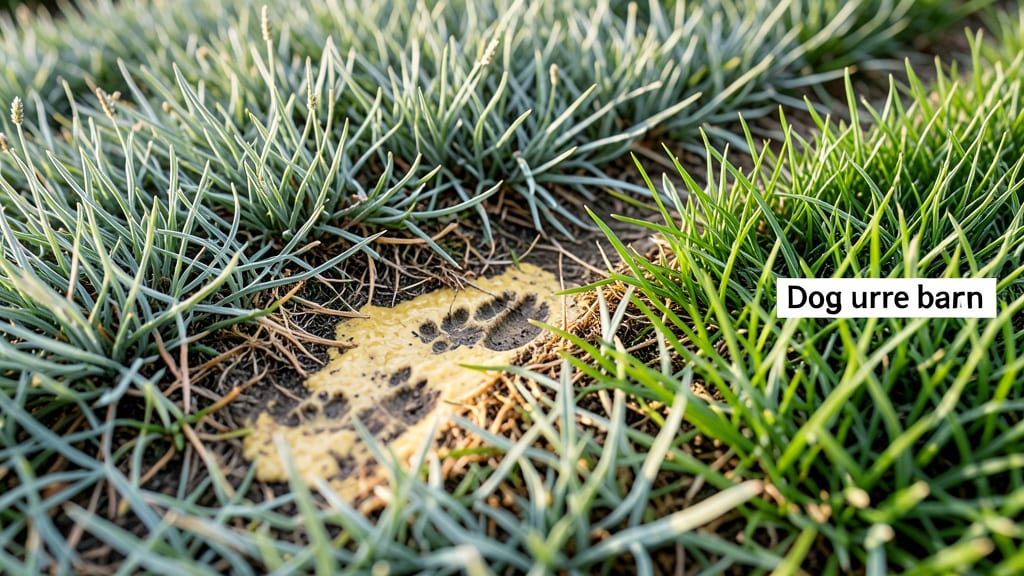
Dog urine turns your lawn into a patchwork of brown—unless you act fast. 🌱 The ammonia in fresh dog pee burns grass roots, leaving behind dead spots that spread faster than you can water.
Cool-season grasses like Kentucky bluegrass take the worst hit, while warm-season types like Bermuda grass recover slightly better. Dilution is your first line of defense: water the spot immediately after your pup goes, or train them to use a designated pee zone with gravel or mulch.
For existing damage, overseed bare patches with dog-friendly grass like tall fescue, and add a light layer of compost to boost recovery. Within 48 hours, you’ll see the first signs of regrowth if you act quickly.
The key is consistency—don’t let urine sit, and keep the soil slightly alkaline with a sprinkle of lime if your lawn stays yellow despite your efforts. If your yard is a high-traffic pet zone, consider replacing grass with clover or ground cover.
It’s tougher, handles urine better, and stays green even when your dog’s routine doesn’t cooperate.
📚 In This Guide
- What you need
- Instructions
- Tips and common mistakes
- Wrapping up and next steps
What you need
- ● Garden hose (with adjustable nozzle) – Essential for flushing urine spots
- ● Garden sprayer (1-2 gallon capacity) – For diluting and applying solutions
- ● Garden fork or aerator – To loosen compacted soil (rent or borrow if needed)
- ● Diluted vinegar solution (1 part white vinegar to 3 parts water) – Neutralizes urine pH
- ● Compost or organic fertilizer (balanced NPK, 10-10-10) – 1-2 lbs per 100 sq. ft.
- ● Overseeding mix (grass seed blend for your climate) – ¼ lb per 100 sq. ft. for bare spots
- ○ Lawn starter fertilizer (high in phosphorus) – Optional but helpful for quick root growth
- ● Peat moss or straw mulch – To protect newly seeded areas
- ● Knee pads or gloves – Because lawn work gets messy!
- ● Dog urine neutralizer spray (pet-store brands like Nature’s Miracle) – Saves time if you prefer convenience
- ● Soil pH test kit – Ensures your lawn’s acidity/alkalinity is balanced
- ● Drip irrigation system – For consistent watering post-treatment
- ● Lawn roller (lightweight) – Helps seed-to-soil contact
How to repair dog pee damage on your lawn
Here's how I restore grass within 48 hours—no special tools needed.
💧 Step 1: Water the Spot Immediately After Peeing
Run a gentle stream of water over the area for 10-15 seconds right after your dog goes. This dilutes the urine's nitrogen concentration before it burns the grass blades. I keep a small watering can near the door for quick cleanup—it makes all the difference. The goal is to spread the urine thinly so it becomes a fertilizer rather than a chemical burn.
If you notice yellow patches forming, don't panic. Water the spot again for 30 seconds and check the soil moisture. The grass should feel damp but not soggy. Overwatering here won't help—you're just trying to dilute, not drown.
☀️ Step 2: Apply a Thin Layer of Compost or Topsoil
After watering, sprinkle a ¼-inch layer of compost or topsoil over the damaged area. This creates a protective barrier that blocks direct urine contact with grass roots. I keep a small bag of compost near my gardening tools—it's perfect for spot repairs. The organic matter also helps break down any remaining nitrogen in the soil.
Work the compost into the top ½ inch of soil with your fingers or a small rake. You'll see the grass blades start standing up straighter within minutes as they regain moisture. Avoid heavy foot traffic on the spot for 24 hours—this gives the soil time to settle and the grass time to recover.
🌱 Step 3: Fertilize with a Low-Nitrogen Grass Supplement
Use a low-nitrogen, high-potassium fertilizer (like a 5-10-10 blend) to help the grass recover. I apply it with a handheld spreader for precise coverage. The key is to avoid high-nitrogen products—they'll just feed the problem. Water the area lightly after applying to help the granules settle into the soil.
Watch for new growth within 3-5 days. You'll notice tiny green shoots pushing through the soil as the grass begins to regenerate. If you see brown patches persisting after 48 hours, the damage might be deeper—you may need to overseed that specific area later.
⏰ Step 4: Monitor and Maintain for Full Recovery
Keep the repaired area watered twice daily for the next 3 days—morning and evening. This helps flush out any remaining urine salts and keeps the soil consistently moist. I set a reminder on my phone so I don't forget. Avoid heavy watering, which can wash away the compost layer or create mud.
After 7 days**, the grass should be fully recovered if you've followed these steps. If you notice any lingering brown spots, consider spot-seeding with grass seed matched to your lawn type. The good news is that most dog urine damage is superficial—with quick action, your lawn stays lush and healthy.
Tips & tricks for lawn rescue after dog pee damage
Here's what nobody tells you about making this quick recovery work perfectly every time.
Speed is Everything: The 10-15 second watering in Step 1 is your first line of defense. I've seen lawns recover completely when acted on immediately, but wait 30 minutes and the damage becomes much harder to reverse. Keep that watering can handy—you'll thank yourself later. The key is to dilute the urine before it soaks into the soil and starts burning the roots.
Compost Selection Matters: Not all compost works equally well. Look for a fine, crumbly compost without large chunks—it should be about the texture of wet sand. I keep a small bag of worm castings in my garage for emergency repairs because they're packed with beneficial microbes that help break down urine residue faster. Avoid coarse mulch or wood chips, which won't provide the same protective layer.
Fertilizer Timing Tip: When applying that low-nitrogen fertilizer in Step 3, focus on the edges of the damaged area first. The grass around the perimeter is often the most stressed and needs extra potassium to recover. I like to use a spreader with a pinpoint setting to avoid over-applying. Remember, you're not fertilizing—you're helping the grass heal, so less is more here.
Visual Recovery Check: After 48 hours, if you see any remaining brown spots, gently pull up a small section of grass to check the roots. If they're white and mushy, you'll need to overseed that specific area. Healthy roots should be firm and white with some green at the tips. This simple check saves you from wasting time on areas that might need extra attention.
Pro Tips for Dog Pee Burns Lawn
- Here's what nobody tells you about making this quick recovery work perfectly every time.
- Speed is Everything: The 10-15 second watering in Step 1 is your first line of defense. I've seen lawns recover compl...
- Compost Selection Matters: Not all compost works equally well. Look for a fine, crumbly compost without large chunks—...
Frequently asked questions
Why does my dog’s pee burn my lawn?
Dog urine contains high levels of nitrogen, which acts like a concentrated fertilizer. When it sits on grass, it can scorch blades by dehydrating them—especially in hot or dry weather. The longer it lingers, the worse the damage. Diluting urine with water or training your pup to pee in one spot can help prevent burns.
How long does it take for dog pee to stop burning grass?
With proper care, damaged grass can recover in 48–72 hours. Water the area immediately after your dog pees to dilute the urine, and avoid heavy foot traffic. If the burn is severe (brown patches), overseeding or reseeding may be needed. Consistency is key—don’t let urine pool repeatedly in the same spot.
What’s the best way to neutralize dog pee on my lawn?
Rinse the area with water right after your dog pees to dilute the urine. For stubborn spots, mix 1 part vinegar to 3 parts water in a spray bottle and apply lightly. Avoid commercial urine neutralizers with harsh chemicals—they can harm soil and plants long-term. Regular mowing also helps dilute urine over time.
Can I train my dog to pee in a specific spot to protect my lawn?
Yes! Start by choosing a designated area (like a gravel patch or mulch bed) and rewarding your dog with treats when they use it. Consistency is crucial—take them to the spot every time they need to go. Some dogs catch on in days; others may take weeks. Patience and positive reinforcement work best!
What if my lawn already has brown patches from dog pee?
Don’t panic! Lightly rake the damaged area to loosen soil, then overseed with shade-tolerant or drought-resistant grass (like fescue or Bermuda). Water gently 2–3 times daily until new grass sprouts (about 2–3 weeks). For large patches, consider sod or a ground cover like clover to reduce urine exposure.
Wrapping up and next steps
Don’t let dog pee derail your dream lawn! With the right vinegar rinse, water flush, and soil amendments, you can reverse yellow patches in just 48 hours. 🌱 Even better, these fixes are budget-friendly and eco-conscious—no harsh chemicals needed.
Ready to reclaim your grass? Start with a quick vinegar spray today and watch your lawn bounce back. Happy gardening!