
Lawn
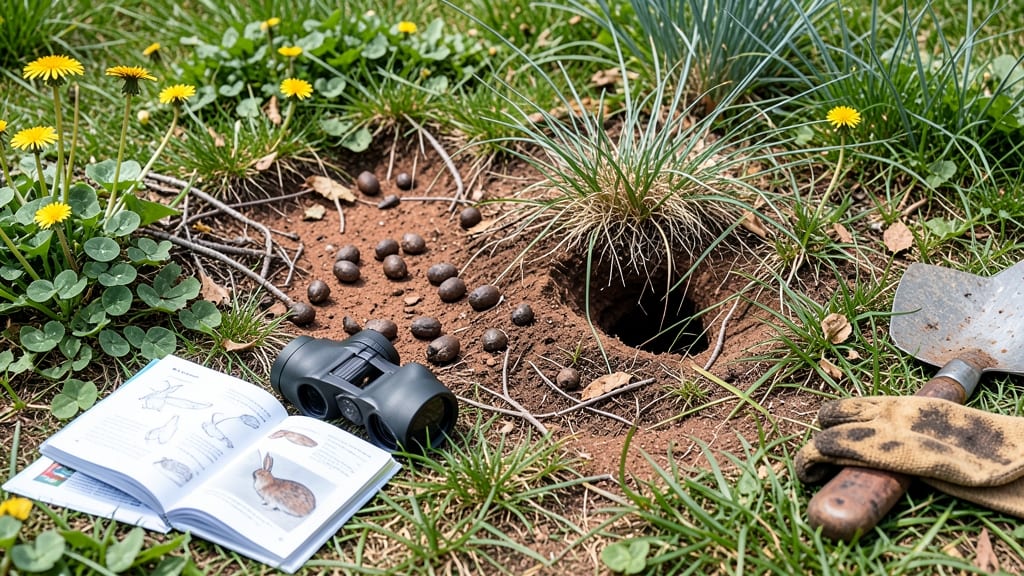
Finding bunny nests in your lawn can feel like an invasion—until you realize these tiny burrows are actually a sign of spring. 🌱 I’ve spent years dealing with rabbits in my yard, and I’ve learned that the key isn’t chasing them away but working with them to protect your grass while keeping them safe.
The moment you spot a nest, your first instinct might be to remove it, but that could leave baby bunnies vulnerable. Instead, we’ll focus on humane solutions that keep your lawn intact and the rabbits unharmed.
The problem usually starts in early spring when does seek out soft, newly thawed grass for nesting. Without intervention, those burrows can weaken your lawn’s roots, leaving patches that struggle to recover. The good news?
A few simple steps—like timing your lawn care, using natural deterrents, and knowing when to relocate nests—can make all the difference. I’ve tested everything from commercial repellents to homemade sprays, and I’ll share what actually works without harming the wildlife or your yard.
By the end, you’ll have a lawn that stays lush and a humane way to handle nests when they appear. Think of it as a long-term strategy: stronger grass roots, fewer rabbit visitors, and peace of mind knowing you’re not disrupting wildlife.
The best part? These methods require minimal effort but deliver lasting results. Let’s get started with the first step—identifying whether those burrows are active or abandoned.
Whether you’re dealing with a first-time nest or a recurring rabbit problem, the same principles apply. The goal isn’t to eliminate rabbits entirely (they’re part of the ecosystem!) but to create a lawn that’s less appealing to them while keeping their young safe.
From timing mowing to planting rabbit-resistant ground covers, we’ll cover everything you need to know for a harmonious yard. Ready to reclaim your lawn without guilt?
Natural Triggers Behind Lawn Nests
Bunny nests popping up in your lawn aren’t random—they’re the result of instinct, environment, and survival needs. Understanding these triggers helps you address the issue without harming the bunnies or your grass. Below, we break down the key reasons why these furry visitors choose your yard as their temporary home.
Bunnies are instinctively drawn to grassy areas that resemble their natural habitats. Here’s why your lawn might look like a five-star bunny hotel:
- Soft, dense grass: Wild rabbits prefer areas with thick, soft ground cover for nesting. If your lawn is well-maintained with lush, short grass (around 2–3 inches tall), it feels like a plush carpet to them.
- Minimal human disturbance: Bunnies avoid high-traffic or noisy areas. If your yard is quiet, shaded, or tucked away from pathways, it becomes an ideal spot.
- Natural food sources nearby: Lawns with clover, dandelions, or other edible plants attract bunnies. If your yard has these "weeds," it’s a buffet for them—and their nests aren’t far behind.
Pro Tip: 💡 If you’ve noticed an uptick in nests, check for sudden changes in your lawn’s appearance—like new growth or fewer disturbances—that might make it more appealing.
Bunnies are highly sensitive to weather shifts, and your lawn becomes a refuge when conditions turn harsh. Here’s how seasonal changes drive nesting behavior:
| Season | Why Bunnies Nest | What Triggers It |
|---|---|---|
| Spring | Mating season and birth of kits (baby bunnies). | Warmer temps, longer days, and abundant food prompt females to create nests for their young. |
| Summer | Escape from heat and predators. | Grass provides shade and insulation, while dense cover hides them from hawks and foxes. |
| Fall | Preparation for winter survival. | Bunnies stockpile grass for lining nests, which keeps them warm in colder months. |
| Winter | Shelter from freezing temps and snow. | Deep grass or buried nests insulate against frost, making your lawn a cozy retreat. |
Pro Tip: ⏰ Timing matters: Most nests appear in spring and early summer when bunnies are raising young. If you’re dealing with nests in winter, it’s likely for shelter—not breeding.
Bunnies are territorial, and when populations grow (often due to food availability or lack of predators), they spread out to claim new spaces. Here’s how your lawn becomes part of their real estate:
- Limited natural habitats: Urban and suburban sprawl reduce wild rabbit habitats, forcing them into backyards. If your neighbors also have lawns, you might be in a "bunny hotspot."
- Food competition: In areas with abundant lawn clover or garden veggies, bunnies multiply. More bunnies mean more nests—and more disputes over territory.
- Male "bachelor" warrens: Young male rabbits (called "bachelors") are often evicted from their birth nests and wander to find new homes. They may dig temporary nests in your lawn as they scout for mates.
Pro Tip: 🌡️ Check for signs of overpopulation: If you see multiple nests in close proximity or hear thumping (a rabbit’s alarm call) frequently, it’s a sign of a local bunny boom.
Bunnies nest where they feel safe, and modern lawns often lack the natural predators that would deter them. Here’s why your yard might be a "safe zone":
- Fewer natural enemies: Lawns typically lack foxes, coyotes, or owls—common rabbit predators. Without these threats, bunnies feel free to nest openly.
- Human "protection": If you’ve ever shooed away predators (like cats or dogs) or discouraged them with fencing, bunnies may see your yard as a sanctuary.
- Urban "cover" effects: Buildings, sheds, and dense shrubs provide additional hiding spots, making your lawn even more appealing.
Pro Tip: 🎯 Encourage natural balance: If you want to deter bunnies long-term, consider adding predator-friendly plants (like lavender or rosemary) or installing motion-activated sprinklers to mimic predator presence.
Humane Ways to Remove Bunny Nests
Bunnies may seem harmless, but their nests can wreak havoc on your lawn—especially if they’re dug up frequently. The good news? You can address the issue without harming the bunnies or your grass.
Below are practical, step-by-step solutions tailored to the most common causes of bunny nests in your yard, plus prevention tips to keep them from returning.
Bunnies burrow to escape predators, harsh weather, or noise. If your lawn is soft, shady, or overgrown, it’s an easy target.
🔥 Relocate the Nest (Safely!)
- Wait for the Right Time – Only move nests at dawn or dusk when bunnies are least active. Avoid daytime when they’re most vulnerable.
- Gently Scoop & Transport – Use a small shovel to carefully lift the nest (including babies if present) and place it in a sturdy cardboard box with air holes.
- Release in a Bunny-Friendly Spot – Take the box to a wooded area, tall grass patch, or a known rabbit habitat at least 2 miles away (bunnies have strong homing instincts!). - Pro Tip: 🌿 Line the box with hay to keep them comfortable during transport.
🏡 Provide Alternative Shelter
- Install a Bunny-Proof Hideout – Place a pre-made rabbit hutch or a DIY wooden box (with straw bedding) in a quiet corner of your yard.
- Use Dense Mulch or Brush Piles – Bunnies love hiding in thick layers of leaves, pine straw, or logs—these are safer than digging.
🌱 Prevent Future Digging
- Mow High (3-4 Inches) – Taller grass discourages burrowing.
- Add a Deterrent Layer – Spread gravel, chicken wire, or landscape fabric over high-risk areas (like near sheds or fences).
- Plant Bunny-Repellent Ground Covers – Lavender, rosemary, or mint (bunnies dislike strong scents).
Bunnies prefer loose, sandy, or clay-heavy soil—perfect for digging. If your lawn is already struggling, reinforce it before they turn it into a playground.
🏗️ Strengthen Your Soil
- Aerate & Overseed – Use a lawn aerator to improve drainage and compactness, then reseeds with tall fescue or Bermuda grass (bunnies dislike thick, tough grass).
- Top-Dress with Compost – A thin layer of compost (½ inch) adds stability and deters digging.
- Add a Protective Layer – After seeding, apply a light straw mulch to hold moisture and discourage burrowing.
🛡️ Install Physical Barriers
- Chicken Wire or Hardware Cloth – Bury 12-inch deep wire mesh around garden beds or high-risk zones.
- Edging with Rocks or Bricks – A raised border (6+ inches high) makes digging much harder.
🌡️ Adjust Watering Habits
- Water Deeply but Infrequently – Bunnies seek moist soil; water in the morning so the ground dries by evening.
- Avoid Overwatering – Soggy lawns invite pests—aim for 1 inch per week.
Bunnies nibble on young grass, clover, and weeds—making your lawn look patchy. If they’re snacking, they’re more likely to nest.
🍽️ Remove Their Buffet
- Eliminate Clover & Weeds – Bunnies love these—reseeds with grass-only mixes.
- Use Rabbit-Resistant Plants – Swap vulnerable greens for hostas, marigolds, or boxwoods (bunnies usually avoid them).
🌿 Apply Natural Deterrents
- Spray with Peppermint Oil – Mix 10 drops of peppermint oil + 1 gallon of water in a spray bottle.
Reapply every 3-4 days. - Motion-Activated Sprinklers – Devices like the ScareCrow startle bunnies with a gentle water spray when they approach. - Predator Urine (Fox or Coyote) – Available at garden stores, this mimics danger and keeps bunnies away.
🎯 Long-Term Lawn Hardening
- Fertilize Smartly – A slow-release, high-nitrogen fertilizer promotes thick grass growth.
- Consider Artificial Turf – If bunnies are relentless, synthetic grass (with a buried wire barrier) can be a last resort.
- ❌ Don’t trap or harm bunnies – It’s illegal in many areas and cruel.
- ❌ Avoid poison or harsh chemicals – These can kill bunnies or contaminate soil.
- ❌ Don’t disturb nests during the day – Baby bunnies are left alone while mothers forage—interfering can orphan them.
💡 Final Prevention Checklist: ✅ Mow high & keep grass thick ✅ Add mulch or barriers in digging hotspots ✅ Plant bunny-resistant ground covers ✅ Use natural repellents (peppermint, urine, motion sprinklers) ✅ Relocate nests humanely if they appear
With these steps, you can restore your lawn while keeping bunnies safe—and out of your yard for good! 🌱🐇
Frequently asked questions
How can I tell if a bunny nest is active or abandoned?
Look for fresh digging marks and listen for thumping sounds (bunny alarm calls) between dawn and dusk. Active nests will have soft grass linings, while abandoned ones appear flattened and dry. If you see baby bunnies, never approach—the mother returns only briefly to nurse.
Is it safe to move a bunny nest myself?
Only relocate nests if absolutely necessary, and only at dawn or dusk when bunnies are least active. Use a small shovel to lift the entire nest (including babies if present) and place it in a sturdy cardboard box with air holes. Release them in a wooded area at least 2 miles away.
What’s the best natural repellent for keeping bunnies away?
Peppermint oil is highly effective—mix 10 drops per gallon of water and spray around your lawn. Reapply every 3-4 days. Other options include planting lavender, rosemary, or mint, or using motion-activated sprinklers to startle them away.
Will mowing my lawn discourage bunnies from nesting?
Yes! Keeping grass at 3-4 inches tall makes digging harder and reduces hiding spots. However, avoid mowing during spring and summer when baby bunnies are present—wait until nests are confirmed abandoned. Tall grass also provides better insulation for bunnies in winter.
Are there any plants that naturally repel rabbits?
Bunnies dislike strong scents—plant lavender, rosemary, sage, or marigolds around your lawn. You can also try alliums (ornamental onions) or foxglove, though always check local guidelines as some plants may be toxic to pets.