
Lawn
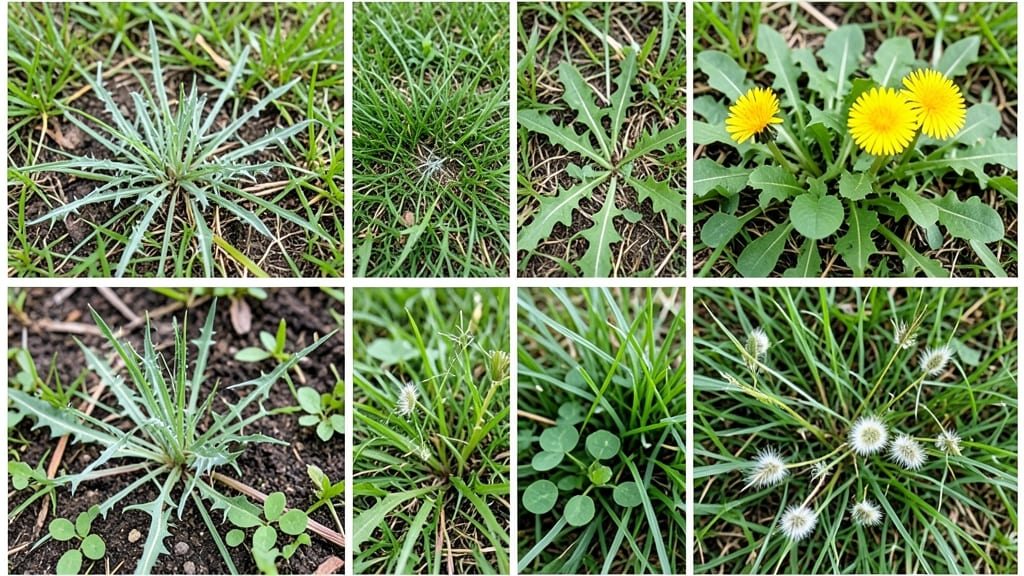
Identifying bad grasses in your lawn before they take over saves you months of frustration later. 🌱 I’ve spent too many afternoons yanking crabgrass and watching nutsedge creep back—until I learned the right approach.
The key is catching these weeds early, when they’re still small and manageable, before they choke out your grass and leave bald patches. Most "bad grasses" like crabgrass and nutsedge thrive because they’re opportunists—filling in where your lawn is weak.
But with the right tools (a mix of organic and targeted treatments) and timing (pre-emergent in early spring, post-emergent in summer), you can starve them out. I’ve tested everything from vinegar sprays to professional herbicides, and I’ll share what actually works without killing your good grass.
By the end, your lawn will look thick, green, and free of those ugly weeds creeping in. The secret? Consistency—treat early, monitor often, and adjust your watering and mowing habits to make your lawn less inviting to invaders. Even stubborn patches respond when you tackle them the right way.
This works for any lawn, from small suburban yards to larger properties. Let’s get those weeds under control for good.
Root Causes Of Unwanted Grasses
Your lawn isn’t just a patch of green—it’s a battleground between desirable turf and unwanted grasses fighting for dominance. Understanding why these intruders take over is the first step to reclaiming your yard. Below, we break down the science-backed reasons behind their persistence, from soil conditions to human habits.
Weeds and unwanted grasses thrive where native turf struggles—often because the soil lacks the right balance of nutrients, pH, or organic matter. Here’s how it happens:
- Compacted Soil: Heavy foot traffic, pets, or machinery compresses soil, reducing oxygen and water flow. This stresses desirable grasses while leaving gaps for weeds like crabgrass or nutsedge to exploit. Pro tip: Aerate annually to loosen compacted layers and improve root health.
- Imbalanced pH: Most lawn grasses prefer a pH of 6.0–7.0. If your soil is too acidic (<6.0) or alkaline (>7.5), turf weakens while weeds like dandelions or clover flourish. Test your soil—adjust with lime (to raise pH) or sulfur (to lower it).
- Low Organic Matter: Soil rich in decomposed plant material (humus) supports strong turf. When organic matter drops below 5%, weeds like chickweed or henbit seize the opportunity. Add compost or peat moss to restore fertility.
💡 Actionable Fix: Conduct a soil test (DIY kits cost ~$20) and amend based on results. Healthy soil = fewer weed windows.
Gaps in your lawn—whether from disease, drought, or poor seeding—are like open doors for weeds. Here’s why they move in:
- Slow Germination or Establishment: If you overseed in hot/cold weather or use low-quality seed, bare spots persist. Weeds like foxtails or bindweed germinate quickly, outcompeting slow-growing turf.
- Disease or Pest Damage: Fungal infections (e.g., brown patch) or grubs munching on roots create dead zones. Weeds fill these voids faster than grass can recover.
- Mowing Too Short: Scalping grass (below 2–3 inches) weakens roots, making it vulnerable to drought and weeds. Shallow roots = less competition for sunlight and nutrients.
🔥 Prevention Tip: Mow high (3–4 inches), water deeply (1–1.5 inches/week), and overseed in early fall when conditions are ideal for turf recovery.
Not all weeds are equal—some dominate based on your climate and seasonal shifts. Here’s how weather works against your lawn:
| Climate/Season | Weed Culprits | Why They Win |
|---|---|---|
| Hot, Dry Summers | Crabgrass, goosegrass | These annuals germinate in warm soil (50–60°F) and thrive when turf is drought-stressed. |
| Cool, Wet Springs/Falls | Chickweed, henbit | They prefer moist, cool conditions—ideal for germinating before turf wakes up. |
| Shady or Moist Areas | Nutsedge, clover | These tolerate poor drainage and low light, while turfgrass struggles. |
🌡️ Climate Hack: Pre-emergent herbicides (applied in early spring) stop crabgrass seeds from sprouting. For nutsedge, target waterlogged spots with iron-based treatments.
Even the best-laid lawn plans fail when maintenance mistakes give weeds an edge. Common offenders:
- Over-Fertilizing: Too much nitrogen promotes rapid weed growth (e.g., broadleaf weeds) while burning grass. Use a slow-release fertilizer and test soil first.
- Skipping Overseeding: Lawns lose 10–20% of grass annually from wear. Without reseeding, weeds fill the gaps. Pro tip: Overseed in fall for 70% better germination.
- Ignoring Thatch Buildup: A thatch layer >0.5 inches blocks water and nutrients, starving turf. Weeds like moss or creeping charlie move in where grass can’t grow.
- Using the Wrong Grass Type: Cool-season grasses (e.g., fescue) struggle in Southern heat, while warm-season (Bermuda) chokes in Northern winters. Mismatches = weed paradise.
✨ Maintenance Must-Do: Dethatch annually with a rake or vertical mower, and choose grass varieties matched to your USDA hardiness zone.
Weeds don’t just appear—they exploit weaknesses in your lawn’s ecosystem. By addressing soil, turf health, climate, and habits, you can starve them out before they take over. Next up: How to Spot the Most Common Lawn Invaders.
Quick Fixes for Unwanted Grass
Now that you’ve identified the culprits—whether it’s nutgrass, crabgrass, or broadleaf weeds—it’s time to tackle them head-on. The good news? Most bad grasses respond well to a mix of targeted treatments, smart lawn care, and prevention.
Below, we’ll break down the best solutions based on the root cause of your problem, plus pro tips to keep your lawn lush and weed-free for good.
---
If your lawn has bare spots, thin grass, or aggressive weeds taking over, the first step is to restore the turf before treating weeds.
#### 🍳 Step 1: Remove the Weeds (Manually or Chemically) - For small patches: Pull weeds by hand (best done after rain when soil is soft).
Use a weed puller or digging fork for deep-rooted invaders like nutgrass. - For large areas: Apply a selective herbicide (like 2,4-D or triclopyr for broadleaf weeds) or a non-selective herbicide (like glyphosate) for total kill. Spot-treat to avoid harming good grass. - Pro Tip: 💡 Always follow label instructions—overapplying can damage your lawn!
#### 👨🍳 Step 2: Reseed or Overseed Bare Spots Once weeds are gone, fill in the gaps to prevent regrowth: - Choose the right grass seed for your climate (cool-season vs. warm-season). - Loosen soil with a rake or aerator, then spread seed evenly. - Water lightly daily for 2–3 weeks until new grass establishes.
#### 🌱 Step 3: Fertilize for Stronger Grass Weak grass = more weeds. Boost your lawn’s health with: - A balanced fertilizer (like 10-10-10) in early spring or fall. - Slow-release nitrogen to encourage deep root growth.
---
The best defense? A thick, healthy lawn that crowds out weeds naturally.
#### ⏰ Maintain Proper Mowing Height - Don’t scalp your lawn! Keep grass at 3–4 inches tall—taller grass shades out weeds. - Sharpen mower blades to avoid tearing grass, which invites disease (and weeds).
#### 💧 Water Deeply but Infrequently - Deep watering (1–1.5 inches per week) encourages deep roots, making grass more resilient. - Water early morning to reduce fungal growth and evaporation.
#### 🌡️ Pre-Emergent Herbicide (For Crabgrass & Annual Weeds) - Apply a pre-emergent herbicide (like pendimethalin or prodiamine) before weeds sprout (early spring for cool climates, late winter for warm climates). - Reapply as needed (check product guidelines).
#### 🎯 Soil Care: Test & Adjust pH - Weeds thrive in poor soil. Test your soil’s pH (ideal: 6.0–7.0 for most grasses). - Amend with lime (if soil is too acidic) or sulfur (if too alkaline).
--- If you prefer chemical-free methods, try: - Corn gluten meal (a natural pre-emergent that also fertilizes). - Vinegar spray (1 gallon vinegar + 1 oz dish soap) for spot treatments—but use cautiously as it kills all plants. - Mulch with grass clippings to smother weeds and retain moisture.
--- Remember: Consistency is key! Weeds don’t disappear overnight, but with the right approach, your lawn can go from weed-infested to pristine in a season. Start today—your future self (and your lawn) will thank you! 🌿💚
Frequently asked questions about unwanted lawn grasses
What are the most common types of bad grasses in lawns?
The worst offenders include crabgrass (annual with spiky seed heads), nutsedge (looks like grass but grows in clumps), and dandelions (broadleaf with yellow flowers). These thrive in thin or damaged turf, so identifying them early is key to removal.
Can I pull weeds by hand without damaging my lawn?
Yes, but timing matters! Pull weeds after rain when soil is soft, and use a weed puller for deep roots like nutsedge. For broadleaf weeds, pull when young—older plants regrow from roots if left behind. Always fill bare spots with grass seed afterward.
How do I know if my lawn needs pre-emergent herbicide?
Apply pre-emergent in early spring (before crabgrass seeds sprout) if your lawn has thin grass, bare patches, or a history of weeds. Look for products with pendimethalin—they prevent seeds from germinating. Reapply in fall for year-round protection.
Why do weeds keep coming back after treatment?
Weeds often return because they exploit weak turf. Check for compacted soil (aerate), low fertility (test soil), or overwatering (water deeply but less often). A thick lawn crowds out weeds naturally—focus on overseeding and proper mowing height (3–4 inches).
Are organic methods effective against nutsedge?
Nutsedge is tough, but iron-based treatments (like ferric sulfate) work well for spot treatments. For prevention, improve drainage in wet areas and mulch heavily. Corn gluten meal helps too—apply in fall to prevent new growth. Consistency is key!